Jimmish Sheth | June 29, 2026
Modernization is rapidly reshaping the healthcare industry, and pharmacies are at the center of this transformation. Patients today expect healthcare experiences that are faster, simpler, and more convenient than ever before. They want to refill updates without waiting on hold, appointment scheduling without multiple calls, and communication that feels timely and clear.
For pharmacies, meeting these expectations is essential.
However, many pharmacy owners and healthcare leaders hesitate when it comes to modernization. There is a common belief that adopting digital systems, automation, and patient engagement technology may reduce the personal connection pharmacies have built with their communities over the years.
This concern is understandable. Independent pharmacies have traditionally differentiated themselves through personalized service, familiar relationships, and direct patient interaction. Unlike large retail chains, many community pharmacies are built on trust, accessibility, and personal care.
Because of this, some pharmacy leaders worry that automated reminders may feel robotic, online systems may reduce conversations, digital communication may replace human interaction, and staff may become dependent on technology instead of patient care.
But the reality is very different. Modernization does not remove the human element from pharmacy care when implemented correctly. In fact, thoughtful modernization often protects and strengthens it.
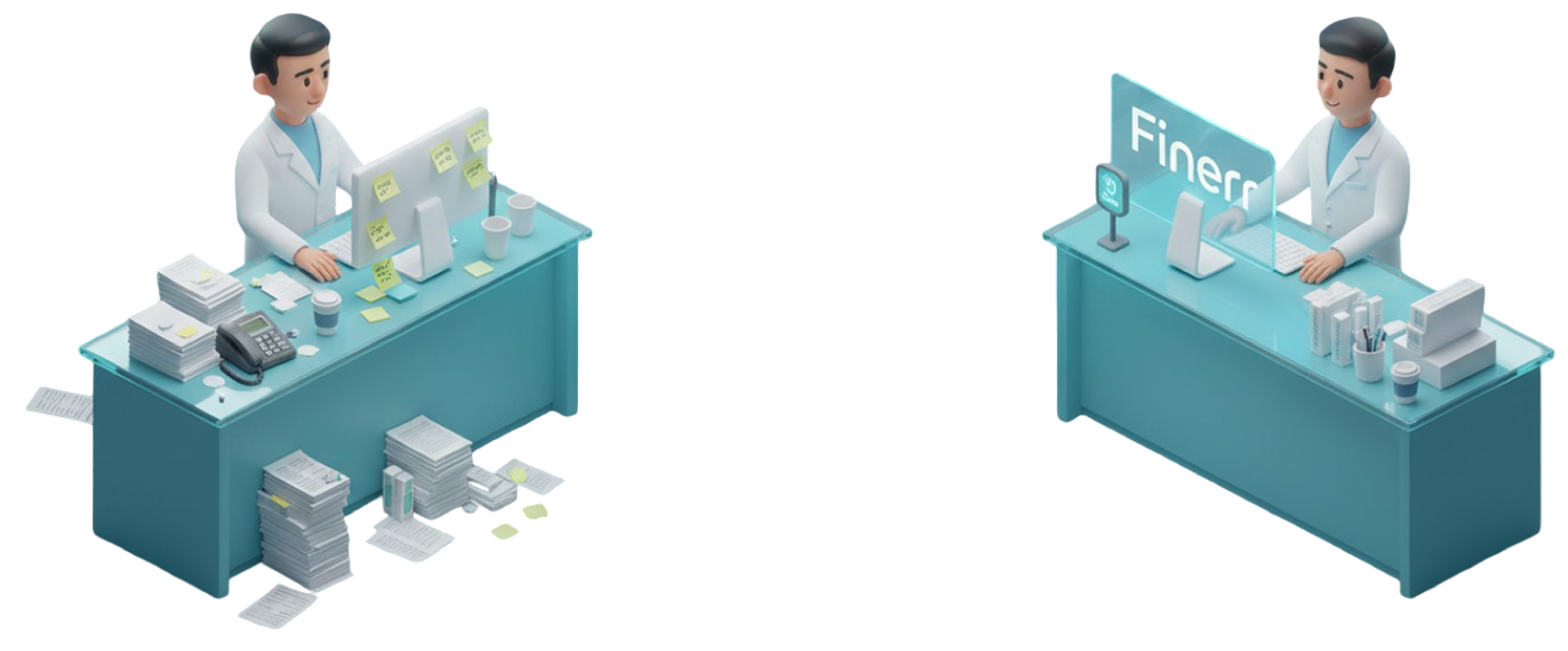
The biggest threat to personalized care today is not technology—it is operational overload. When pharmacy staff are overwhelmed with repetitive calls, manual reminders, disconnected systems, scheduling confusion, and administrative burden, they have less time and energy for meaningful patient interaction. Modern systems solve this problem by reducing friction inside daily operations. Instead of replacing personal care, they create more space for it.
Pharmacies are under constant pressure to improve operational efficiency while maintaining high-quality patient experiences.
At the same time, many pharmacy teams are already dealing with:
Introducing new technology into already busy workflows can feel risky.
Many pharmacy owners fear that modernization could create operational disruption or reduce the personal nature of patient interactions.
Some of the most common concerns include:
Fear of Losing Face-to-Face Relationships
Many pharmacies are built on long-standing patient relationships. Owners worry that digital communication may replace human conversations entirely.
Concern About Over-Automation
Automated reminders and messaging systems are sometimes viewed as impersonal or robotic.
Fear of Becoming “Too Corporate”
Independent pharmacies often pride themselves on community relationships and personalized service. Some worry that modernization may make operations feel less personal and more transactional.
Staff Resistance to Technology
Employees may fear complicated systems or worry that new tools will create additional stress.
These concerns are valid — but they are usually caused by poor technology implementation rather than modernization itself.
When systems are fragmented, confusing, or poorly integrated, technology can absolutely create frustration.
But connected and thoughtfully designed systems achieve the opposite.
Many pharmacies believe technology creates distance between patients and staff.
In reality, the biggest barrier to personalized care is operational exhaustion.
Every day, pharmacy teams are interrupted by:
These repetitive operational tasks quietly consume enormous amounts of time and energy.
Over time, staff burnout increases.
When employees are overwhelmed, even the most compassionate teams struggle to maintain consistent patient experiences.
This operational pressure impacts:
Burnout gradually reduces the personal connection pharmacies work so hard to maintain.
Modernization, when implemented strategically, removes this operational burden.
Instead of replacing care, technology helps pharmacies protect the human side of healthcare by eliminating unnecessary friction.
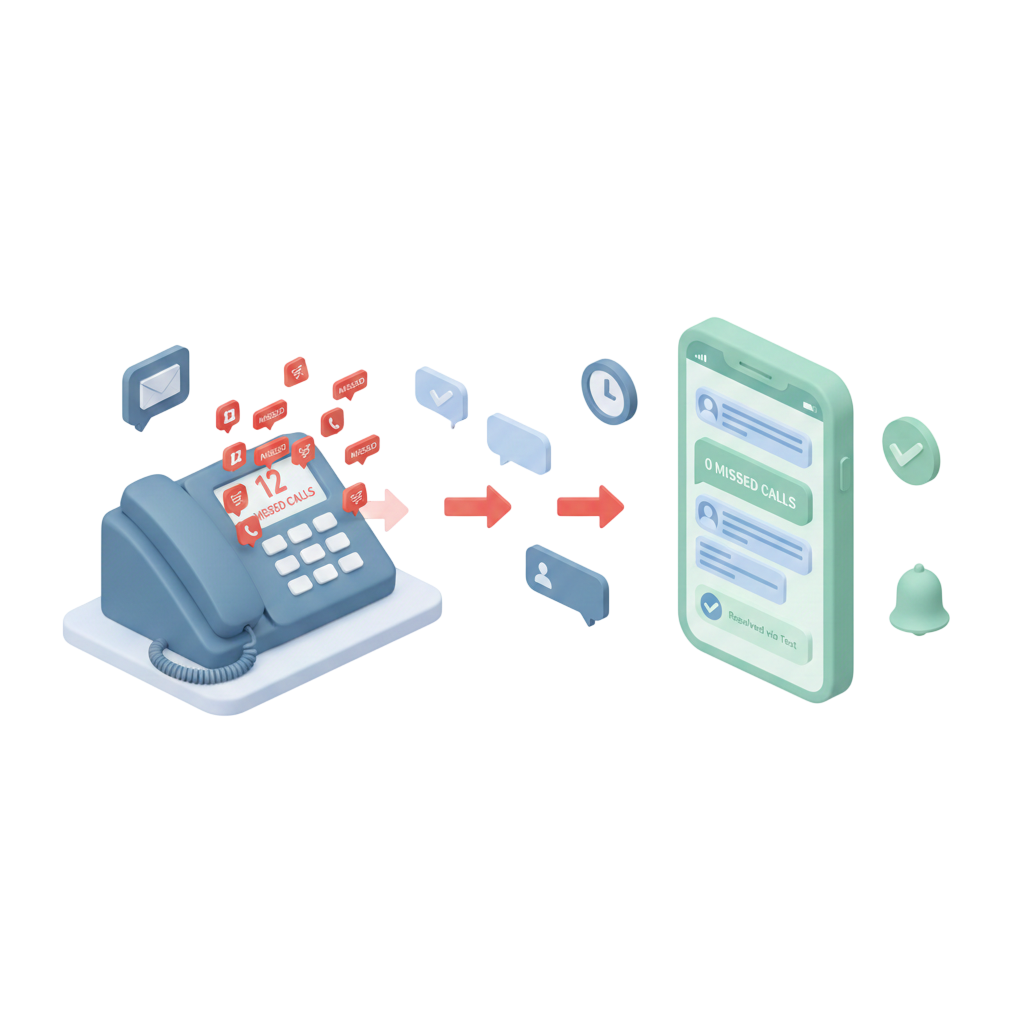
Many pharmacies still rely heavily on phone-based communication for every patient interaction.
However, patient expectations have changed significantly.
Patients no longer want to spend time waiting on hold for basic updates.
Today’s healthcare consumers prefer:
Modern patient communication software helps pharmacies deliver these experiences more efficiently.
Instead of forcing patients to repeatedly call for updates, pharmacies can proactively communicate important information through:
This actually creates a more personal experience because patients feel informed, supported, and respected.
Good communication is not measured by the number of phone calls.
It is measured by clarity, responsiveness, and reliability.
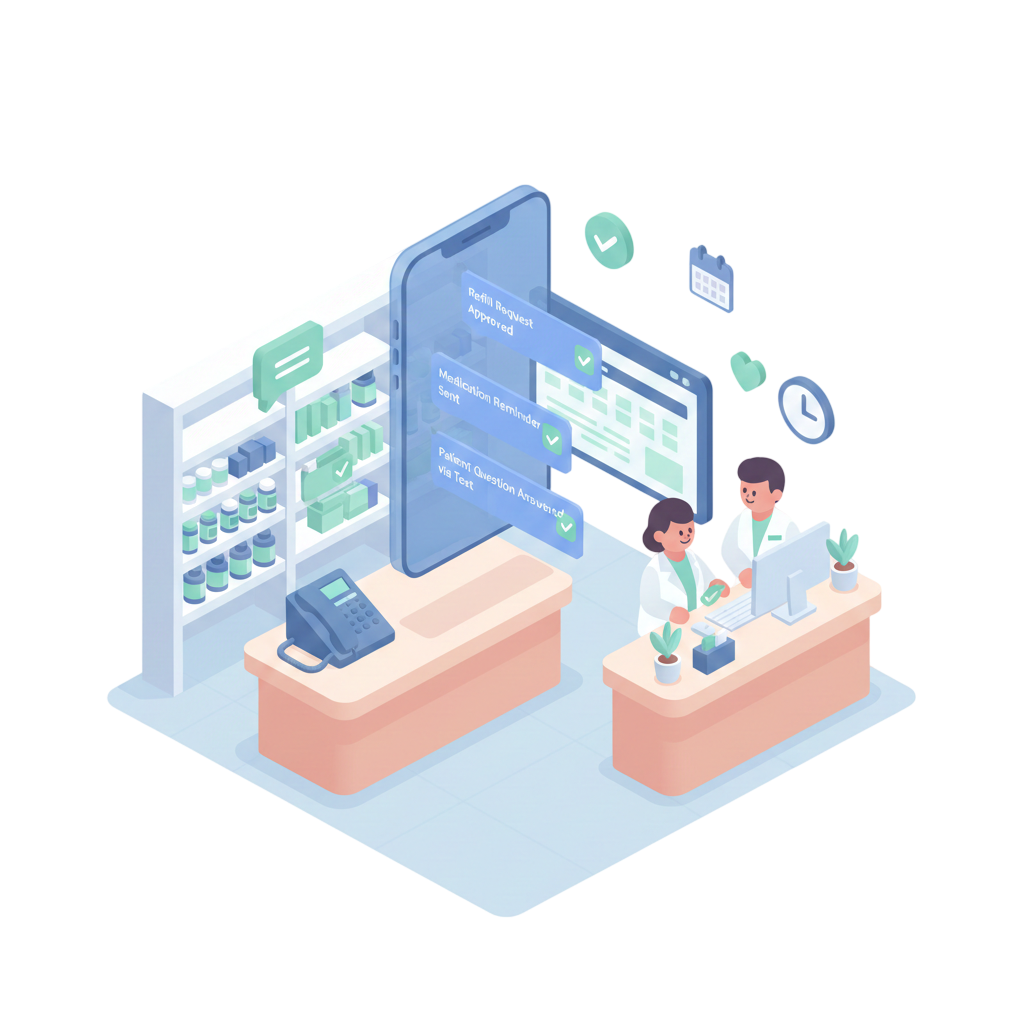
One of the biggest communication improvements modern pharmacies are adopting is secure two-way texting.
Patients increasingly prefer texting because it is:
For pharmacies, two-way messaging reduces unnecessary phone interruptions while improving communication visibility.
Instead of placing patients on hold, pharmacy teams can respond more efficiently through centralized messaging systems.
This creates several benefits:
Faster Patient Responses
Patients receive answers quickly without long hold times.
Reduced Staff Interruptions
Employees can manage communication more efficiently throughout the day.
Better Conversation Tracking
Message history improves communication accuracy and follow-up visibility.
Improved Patient Satisfaction
Patients appreciate convenient communication options that fit modern lifestyles.
Rather than replacing personal care, messaging systems improve communication accessibility and responsiveness.
.jpg)
One of the biggest misconceptions in healthcare is that automation removes the human element from care delivery.
In reality, automation removes repetitive operational tasks — not meaningful conversations.
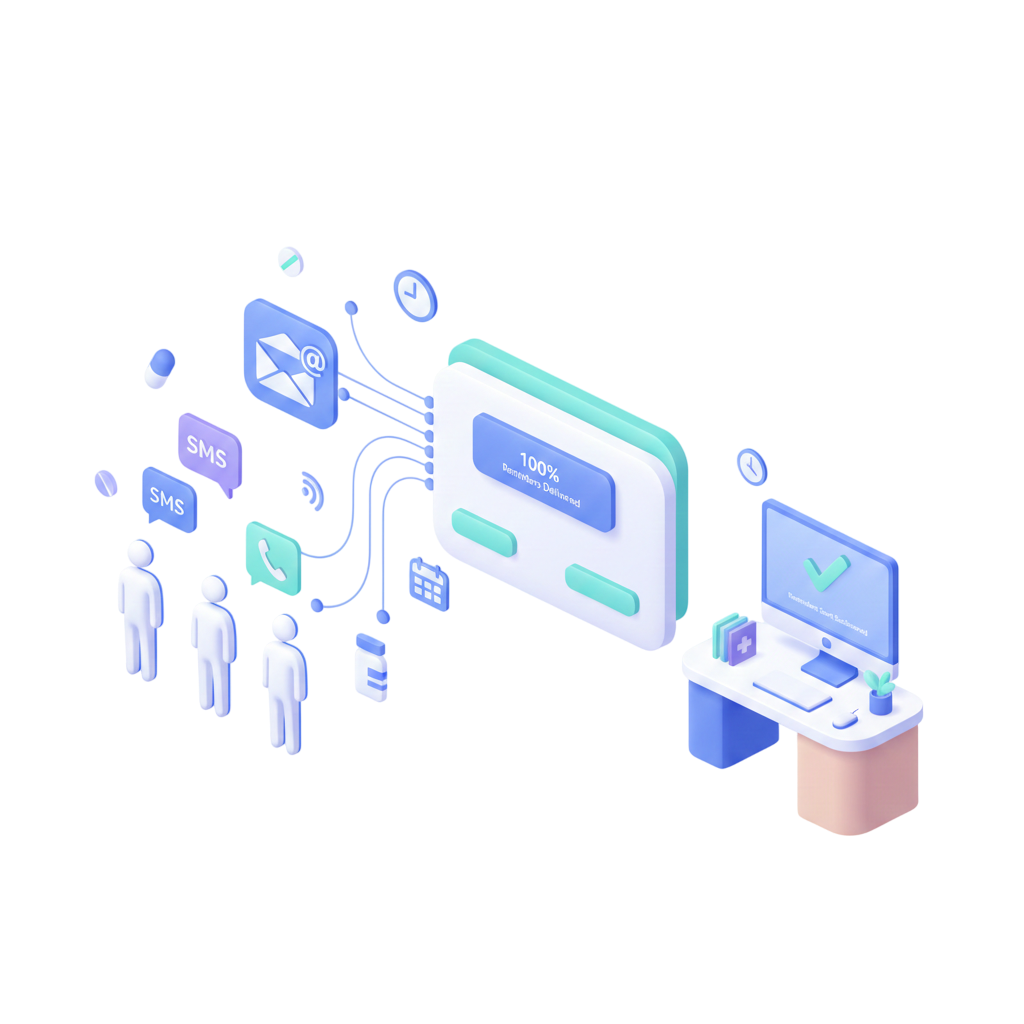
Modern pharmacy automation can handle:
Without automation, pharmacy teams spend hours every day repeating the same information manually.
This creates communication fatigue and reduces time available for personalized patient support.
When repetitive tasks are automated:
Most importantly, pharmacists and staff gain more time for meaningful patient interaction, counseling, education, and support.
Automation does not reduce humanity.
It restores capacity for it.
.jpg)
Manual scheduling remains one of the largest sources of operational friction in many pharmacies.
Patients often need to:
This process frustrates both patients and pharmacy teams.
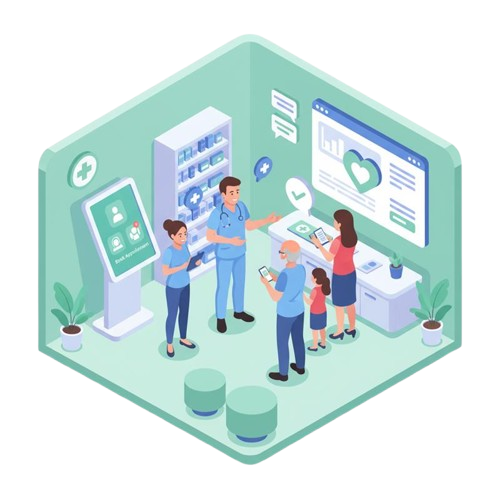
Modern online scheduling systems simplify this experience significantly.
Patients can schedule appointments quickly without relying entirely on phone communication.
For pharmacy teams, this reduces constant scheduling interruptions throughout the day.
The result is:
When scheduling becomes easier, staff can focus more attention on patients who need direct support.
.jpg)
Personalized care is not only about friendliness.
Consistency is equally important.
Patients trust pharmacies that consistently provide:
Disconnected systems make this difficult to maintain consistently.
Modern patient engagement platforms improve reliability by centralizing communication workflows.
Instead of relying entirely on manual processes, pharmacies can create standardized workflows that improve consistency without reducing personalization.
Patients feel more confident when communication is predictable and organized.
This consistency strengthens long-term patient trust.
Finerr is designed specifically to help healthcare providers modernize operations without sacrificing personalized patient experiences.
Instead of forcing pharmacies to manage multiple disconnected systems, Finerr centralizes communication, scheduling, reminders, engagement, and workflow tools into one connected platform.
Patient Engagement Platform
A centralized patient engagement platform designed to improve communication and operational efficiency.
Cloud Phone System & IVR
Modern pharmacy phone systems that reduce missed calls and improve communication workflows.
Online Scheduling System
Simplified appointment scheduling for pharmacies and healthcare providers.
Automated Appointment Reminders
Automated reminders reduce no-shows and improve communication consistency.
Two-Way Text Messaging
Secure patient messaging systems that reduce communication friction.
Reviews Management
Improve online reputation and strengthen patient trust.
HIPAA-Compliant Digital Forms
Reduce paperwork and simplify intake workflows.
Email Marketing Campaigns
Maintain ongoing patient engagement through automated communication campaigns.
Mobile App Solutions
Allow patients to manage communication, scheduling, and refill requests digitally.
Website Development & Social Media Management
Improve online visibility and patient accessibility.
Pharmacies are balancing growing operational demands with increasing patient expectations.
Some of the most common challenges include:
Communication Overload
High call volume overwhelms pharmacy staff daily.
Related Blog: Fewer Calls, Smoother Days.jpg)
Disconnected Systems
Multiple software tools create operational inefficiencies.
Related Blog: Disconnected SystemsAdministrative Burnout
Repetitive tasks reduce employee productivity and morale.
Related Blog: Pharmacy Team BurnoutWorkflow Inefficiency
Disconnected systems slow operations and reduce communication visibility.
Related Blog: Why Operational Efficiency MattersGrowing Patient Expectations
Patients expect faster, digital-first communication experiences.
Finerr helps pharmacies modernize operations while preserving the human side of healthcare.
Centralized Communication
All communication workflows operate within one connected system.
Reduced Operational Friction
Automation minimizes repetitive administrative work.
Better Patient Visibility
Teams can manage communication more efficiently and consistently.
Improved Staff Efficiency
Employees spend less time managing systems and more time supporting patients.
Better Patient Experience
Patients receive faster, clearer, and more reliable communication.
Reduced Burnout
Simplified workflows reduce operational stress across pharmacy teams.
Modernization becomes supportive rather than disruptive.
.jpg)
See how pharmacies are improving communication and operational efficiency using Finerr:
Case study: Zarchy Pharmacy Case study: Carteret Pharmacy Case study: Westside PharmacyModernization does not mean removing the personal touch from pharmacy care.
It means removing operational friction so pharmacy teams can focus more energy on meaningful patient interaction.
The pharmacies that succeed in the future will not be those avoiding technology entirely.
They will be the organizations that use technology thoughtfully to support communication, simplify workflows, reduce burnout, and strengthen patient relationships.
The future of pharmacy care is both modern and human.
Finerr helps pharmacies achieve this balance by combining communication, scheduling, reminders, forms, engagement, and operational tools into one connected platform designed for modern healthcare providers.
Explore Finerr: Ready to modernize your pharmacy without losing personal care? Request a demo today.


Modern pharmacies are under pressure to improve communication, streamline workflows, and deliver better patient experiences without losing the human connection that patients value most. While many pharmacy owners worry that automation and digital systems may make care feel impersonal, the reality is the opposite when modernization is implemented thoughtfully. Connected communication systems, automated reminders, online scheduling, and patient engagement platforms reduce operational overload and give pharmacy teams more time for meaningful patient interaction. Finerr helps pharmacies modernize without sacrificing personalized care by centralizing communication, scheduling, reminders, digital forms, reviews, and engagement tools into one streamlined platform built for modern healthcare operations.
Get in Touch

Pharmacies are modernizing to improve workflow efficiency, patient communication, and operational visibility. Patients now expect faster and more convenient healthcare experiences. Modern systems help pharmacies reduce manual work while improving overall patient satisfaction.
No, automation does not remove personalized care when implemented correctly. Automation handles repetitive administrative tasks, allowing pharmacy staff to spend more time on meaningful patient interaction. It helps teams focus on counseling, education, and relationship building.
Modern communication systems provide faster updates, refill notifications, appointment reminders, and easier access to information. Patients appreciate clear and timely communication that reduces uncertainty. This creates a smoother and more convenient healthcare experience.
Many pharmacies struggle with communication overload, staffing shortages, disconnected systems, administrative burnout, and rising patient expectations. These operational challenges reduce workflow efficiency and impact patient satisfaction. Modern systems help simplify daily operations.
Patient engagement improves communication, trust, loyalty, and long-term patient retention. Engaged patients are more likely to follow medication instructions, attend appointments, and maintain consistent communication with providers. Strong engagement also improves overall healthcare experience.
Two-way texting allows pharmacies and patients to communicate quickly without relying entirely on phone calls. It improves response times, reduces hold times, and creates a more convenient communication experience. Messaging also helps staff manage communication more efficiently.
A patient engagement platform centralizes communication, reminders, scheduling, forms, messaging, and patient interaction tools into one connected system. This improves workflow efficiency and communication consistency. It also helps reduce operational complexity for healthcare providers.
Cloud phone systems improve call management, reduce missed calls, and centralize patient communication. They help pharmacies manage high communication volume more effectively. Modern phone systems also improve workflow visibility and communication accessibility.
Automated reminders reduce missed appointments and improve scheduling efficiency. Instead of manually contacting patients, pharmacies can automate reminders through SMS or email. This saves staff time while improving patient communication consistency.
Online scheduling allows patients to book appointments without calling during business hours. This improves convenience while reducing scheduling interruptions for pharmacy teams. Patients gain easier access to services, and staff can focus on more important tasks.
Burnout is often caused by repetitive administrative work, constant interruptions, high communication volume, and disconnected systems. Employees become overwhelmed when workflows are inefficient. Simplified operational systems help reduce stress and improve productivity.
Finerr helps pharmacies modernize by centralizing communication, reminders, scheduling, forms, reviews, and engagement tools into one connected platform. This reduces operational friction and improves workflow visibility. Pharmacies can modernize while maintaining personalized patient experiences.
Yes, digital communication can absolutely feel personal when it is clear, timely, and relevant. Patients value responsiveness and convenience. Modern communication systems improve consistency while still supporting meaningful patient relationships.
Centralized communication systems reduce confusion caused by disconnected platforms. Staff can manage patient interactions more efficiently when communication is organized in one place. This improves workflow clarity and patient experience.
Digital forms eliminate paperwork, reduce repetitive data entry, and improve operational efficiency. Patients can complete forms online before appointments, which speeds up workflows and improves accuracy. HIPAA-compliant forms also improve secure data management.
Consistent communication builds patient trust and reliability. Patients feel more confident when they receive accurate reminders, refill updates, and follow-up communication regularly. Consistency improves overall patient satisfaction and engagement.
Modern systems automate repetitive tasks and centralize operational workflows. Employees spend less time switching between systems and managing manual processes. This improves productivity, reduces delays, and creates smoother operations.
Automation handles predictable communication tasks such as reminders, notifications, and scheduling confirmations. This reduces administrative workload and improves operational consistency. Staff can then focus more attention on patient care and support.
Pharmacies are investing in communication software to improve patient experience, reduce operational inefficiencies, and manage communication more effectively. Better communication systems improve workflow visibility and strengthen patient relationships.
Pharmacies can modernize successfully by using technology to reduce operational overload rather than replace human interaction. Automation and communication systems handle repetitive tasks, allowing staff to focus more on meaningful patient conversations. Thoughtful modernization strengthens personalized care instead of removing it.
See how Finerr helps pharmacies streamline communication, scheduling, and workflows while preserving the personalized patient experiences your community depends on.