Jimmish Sheth | June 22, 2026
Healthcare technology is advancing faster than ever before. Every year, pharmacies adopt new software to improve communication, scheduling, patient engagement, reminders, digital forms, reviews, and operational management. While these tools are designed to solve specific problems, many healthcare organizations are discovering a new challenge that often goes unnoticed — operational complexity.
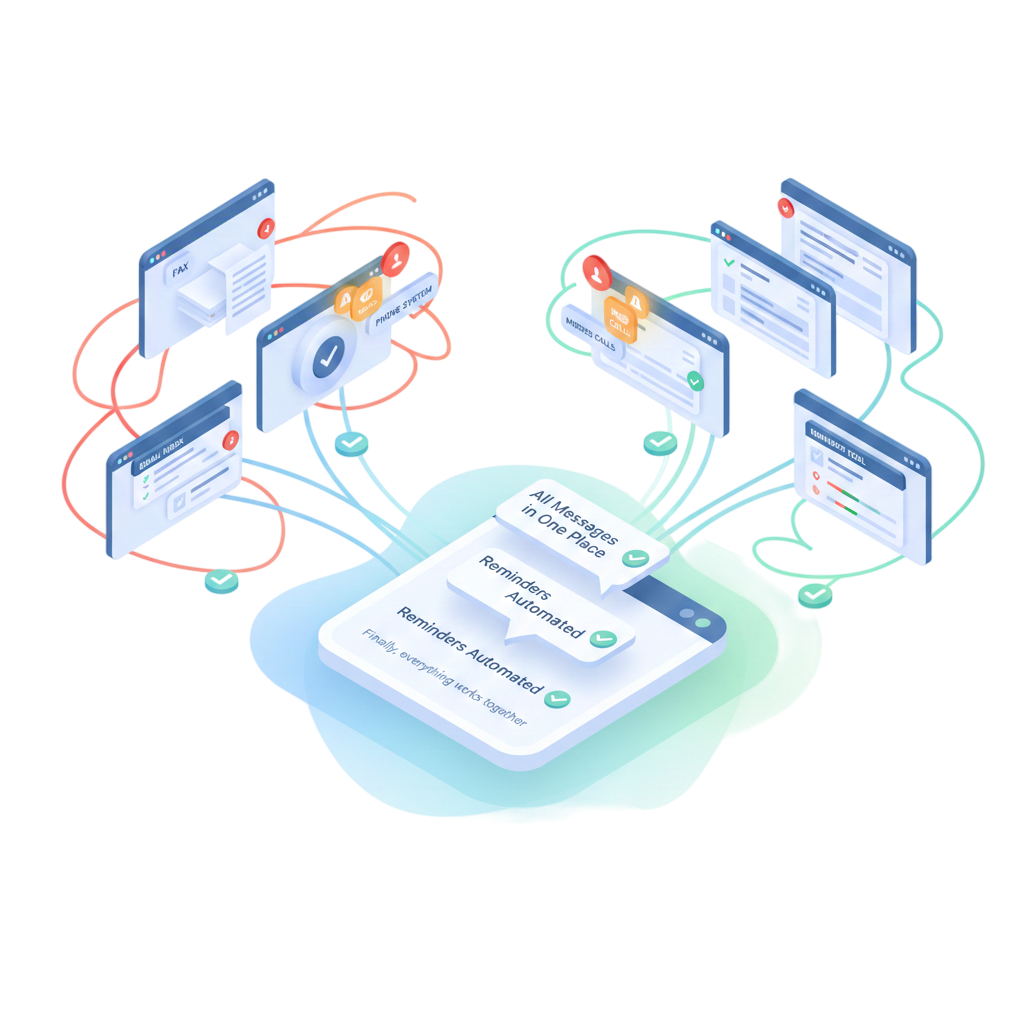
Over the last decade, pharmacies have built technology stacks made up of disconnected systems. One platform handles phone calls. Another manages appointment scheduling. A separate application sends reminders. Another tool manages forms, while additional software handles patient messaging, reviews, email campaigns, and digital engagement.
Individually, these tools may perform well. Collectively, however, they create fragmented workflows, operational inefficiencies, and communication gaps that negatively impact both staff and patients.
By 2026, pharmacies will face even greater pressure:
As these pressures increase, pharmacies will need technology that simplifies operations rather than complicates them.
The future of healthcare will not belong to organizations with the most software. It will belong to organizations with the most connected and operationally efficient systems.
That is why simpler healthcare systems are becoming one of the most important operational strategies for pharmacies in 2026.
Most pharmacies do not intentionally create operational complexity.
Complexity usually develops gradually as organizations attempt to solve individual operational challenges.
For example:
Each solution addresses one problem at a time. However, over several years, pharmacies end up managing multiple disconnected platforms simultaneously.
This creates operational fragmentation.
Employees constantly switch between systems to complete simple tasks. Patient information becomes scattered across platforms. Communication history is difficult to track. Workflows slow down, and administrative responsibilities increase.
Instead of improving efficiency, technology begins creating operational friction.
Many pharmacies now spend more time managing systems than improving patient engagement and care delivery.
The biggest challenge with operational complexity is that the damage often happens quietly.
Unlike major technical failures, fragmented systems create small inefficiencies that build over time.
Some of the most common symptoms include:
When systems do not communicate properly, employees are forced to manually bridge operational gaps.
This increases the likelihood of:
Over time, pharmacies experience operational fatigue.
The problem becomes even more serious as organizations grow.
Scaling disconnected systems creates additional training requirements, workflow inconsistencies, and operational bottlenecks that are difficult to manage efficiently.
Healthcare organizations are beginning to recognize that adding more software does not automatically improve operational performance.
In fact, many healthcare leaders are now prioritizing consolidation instead of expansion.
By 2026, successful pharmacies will focus on:
This shift is changing how pharmacies approach technology investment.
Instead of asking: “What additional software do we need?”
Healthcare organizations are beginning to ask: “How can we reduce operational friction?”
Simpler systems create several operational advantages:
Faster Workflows
Employees spend less time switching between applications and more time completing meaningful tasks.
Better Patient Communication
Centralized communication systems improve consistency and reduce missed interactions.
Reduced Administrative Work
Automation eliminates repetitive manual tasks.
Improved Staff Productivity
Employees work more efficiently when systems are connected.
Better Patient Experience
Patients receive clearer communication, faster responses, and smoother interactions.
Easier Operational Scaling
Simpler systems are easier to train, manage, and expand across growing organizations.
This operational simplicity is becoming a competitive advantage in healthcare.
Patient expectations are evolving rapidly.
Modern patients expect healthcare communication to be:
Patients no longer want to rely entirely on phone calls for scheduling, reminders, refill requests, and updates.
At the same time, pharmacies cannot afford communication overload that increases staff burnout.
This is why patient engagement platforms are becoming essential for modern healthcare operations.
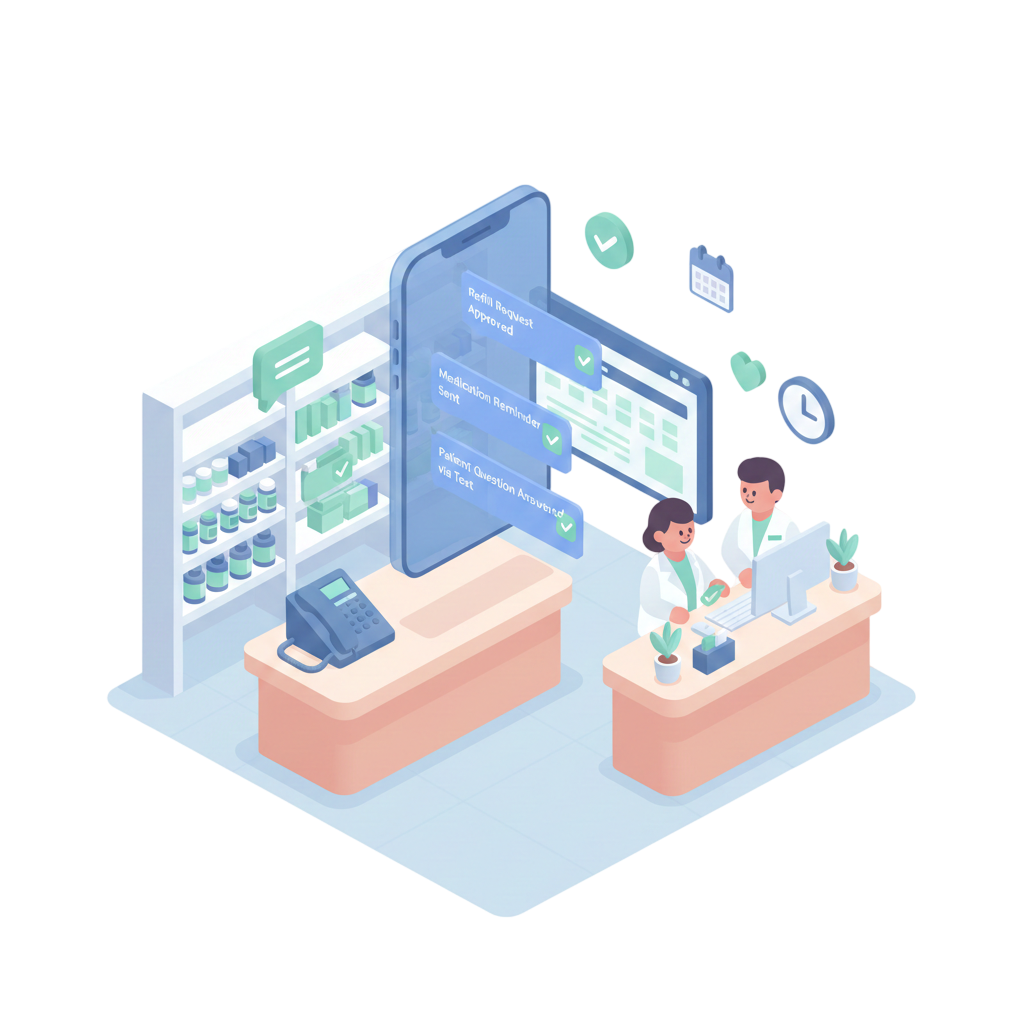
A connected patient engagement platform centralizes key communication workflows, including:
When these workflows operate inside one connected system, pharmacies gain:
Instead of employees managing disconnected systems manually, workflows become streamlined and predictable.
.jpg)
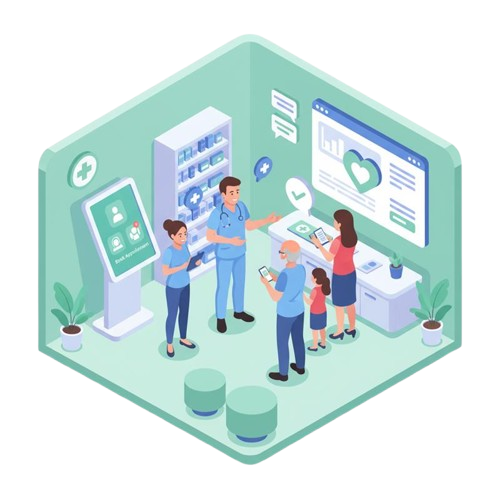
Finerr is designed specifically around the idea that operational simplicity improves healthcare performance.
Rather than forcing pharmacies to manage multiple disconnected systems, Finerr centralizes critical operational functions into one connected platform.
Finerr Patient Engagement Platform
Finerr provides an all-in-one patient engagement platform for independent healthcare providers.
The platform combines communication, engagement, automation, and workflow tools into one simplified operational system.
1. Cloud Phone System & IVR
Finerr’s cloud phone system helps pharmacies improve communication workflows while reducing missed calls and operational interruptions.
Related Blog: Optimize Pharmacy IVR2. Online Scheduling System
Patients can schedule appointments more easily while pharmacies reduce administrative scheduling workload.
Related Blog: Online Scheduling for Pharmacy.jpg)
3. Automated Appointment Reminders
Automated reminders help reduce no-shows and improve patient communication consistency.
Related Blog: Automated Patient Reminders4. Two-Way Text Messaging
Secure two-way texting improves communication efficiency without increasing phone volume.
Related Blog: Text Messaging to Reduce Missed Calls5. Reviews Management
Finerr helps pharmacies improve online reputation management and patient trust.
6. HIPAA-Compliant Digital Forms
Digital intake forms reduce paperwork and improve workflow efficiency.
7. Patient Engagement Email Campaigns
Automated campaigns help pharmacies maintain patient engagement and communication consistency.
8. Website Development & Digital Presence
Finerr also supports pharmacies with healthcare-focused website management and online visibility solutions.
Healthcare organizations are experiencing several operational challenges simultaneously.
Staffing Shortages
Pharmacies must handle growing workloads with limited staff resources.
Increasing Patient Expectations
Patients expect faster responses and more convenient communication.
Disconnected Systems
Multiple platforms create workflow inefficiencies and communication gaps.
Related Blog: Disconnected Systems.jpg)
Administrative Burnout
Employees spend excessive time managing repetitive operational tasks.
Related Blog: Pharmacy Team BurnoutCommunication Overload
High call volumes and fragmented messaging systems overwhelm staff.
Related Blog: Fewer Calls, Smoother DaysOperational Inefficiency
Disconnected systems slow workflows and reduce operational visibility.
Related Blog: Why Operational Efficiency Matters.jpg)
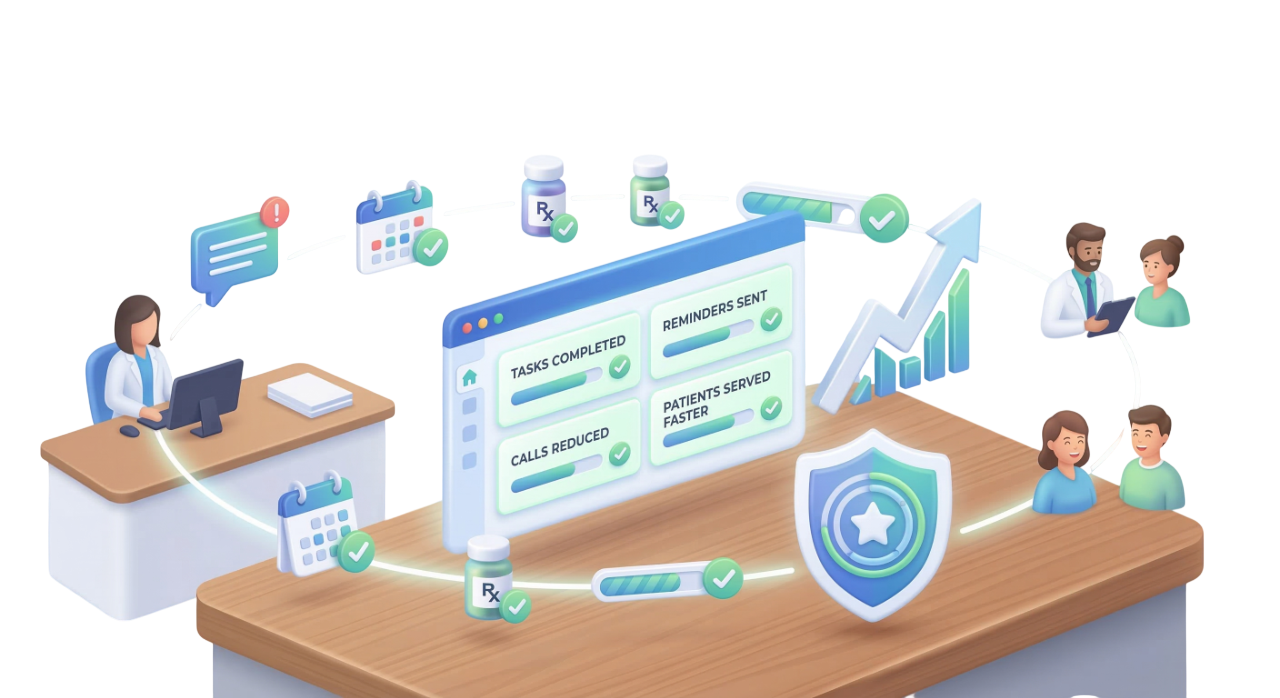
Finerr helps pharmacies reduce operational complexity by centralizing critical workflows into one connected system.
Simplified Communication
Calls, reminders, texts, scheduling, and follow-ups operate together instead of across separate tools.
Reduced Manual Work
Automation minimizes repetitive administrative tasks.
Better Workflow Visibility
Centralized systems improve communication tracking and operational oversight.
Improved Patient Experience
Patients receive faster, clearer, and more consistent communication.
Reduced Staff Burnout
Simpler workflows reduce operational stress on employees.
Easier Operational Scaling
Pharmacies can grow without increasing workflow complexity.
.jpg)
See how pharmacies are improving operational efficiency and patient engagement using Finerr:
Case study: Ocean Pharmacy Case study: TopValue PharmacyThe future of healthcare technology is not about adding more tools.
It is about building simpler operational systems that reduce friction for both staff and patients.
By 2026, pharmacies that prioritize operational simplicity will gain a significant advantage through:
Disconnected systems create operational chaos.
Connected systems create operational clarity.
Finerr helps pharmacies move toward this future by combining communication, scheduling, reminders, forms, engagement, and workflow automation into one connected platform designed specifically for modern healthcare operations.


Healthcare organizations are entering a period where operational simplicity is becoming more valuable than adding more software. Pharmacies today manage disconnected systems for scheduling, reminders, communication, forms, and engagement, creating inefficiencies that impact both staff and patients. By 2026, successful pharmacies will prioritize connected platforms that centralize workflows, reduce manual work, and improve patient communication. Unified systems help eliminate operational bottlenecks, reduce burnout, improve compliance, and create a more consistent patient experience. Finerr supports this shift by combining patient engagement, communication, scheduling, reminders, forms, reviews, and workflow automation into one streamlined platform designed for modern healthcare providers.
Get in Touch


A patient engagement platform helps pharmacies manage communication, reminders, scheduling, follow-ups, and patient interactions from one centralized system. Instead of using multiple disconnected tools, pharmacies can streamline workflows and improve operational efficiency. These platforms also help improve patient satisfaction through faster and more consistent communication.
Pharmacies are simplifying their systems because managing multiple software platforms creates operational inefficiencies and staff frustration. By 2026, healthcare organizations are prioritizing connected systems that reduce workflow complexity and improve communication. Simpler systems also help pharmacies scale operations more efficiently while improving patient experience.
Disconnected systems force employees to switch between multiple platforms throughout the day. This often leads to repeated data entry, missed follow-ups, communication delays, and inconsistent patient experiences. Over time, fragmented workflows reduce productivity and increase administrative burden across the organization.
Operational efficiency allows pharmacies to serve patients faster while reducing unnecessary administrative work. Efficient workflows improve communication, reduce staff burnout, and help organizations manage growing patient expectations. Pharmacies with streamlined operations can also scale more effectively without increasing operational chaos.
Automated reminders reduce missed appointments and improve communication consistency with patients. Instead of manually contacting patients, pharmacies can automate reminders through SMS or email. This saves staff time while improving patient engagement and scheduling efficiency.
Cloud phone systems help pharmacies centralize communication and reduce missed calls. They improve call routing, patient accessibility, voicemail management, and communication visibility. Modern cloud phone systems also reduce operational interruptions and support better patient interaction management.
Digital patient forms reduce paperwork and eliminate repetitive manual data entry. Patients can complete forms online before appointments, which improves accuracy and speeds up operational workflows. HIPAA-compliant digital forms also help pharmacies maintain secure patient data management.
Unified platforms reduce the operational burden caused by disconnected systems. Instead of managing separate tools for reminders, scheduling, messaging, and communication, healthcare organizations can centralize workflows into one connected system. This improves efficiency, visibility, and patient experience.
Clear and consistent communication builds trust between patients and healthcare providers. Patients are more likely to stay loyal when they receive timely reminders, updates, refill notifications, and follow-ups. Poor communication often leads to frustration and lower patient satisfaction.
Administrative burnout is often caused by repetitive tasks, communication overload, and fragmented workflows. Employees spend significant time switching between systems, manually updating records, and managing operational gaps. Simplified workflows help reduce stress and improve team productivity.
Finerr centralizes communication, reminders, scheduling, forms, and engagement tools into one connected platform. This reduces system switching and operational complexity for pharmacy teams. Pharmacies can improve workflow visibility while delivering a more consistent patient experience.
Healthcare workflow automation uses technology to reduce repetitive manual tasks within pharmacy operations. Automated reminders, follow-ups, scheduling confirmations, and communication workflows help improve efficiency. Automation allows staff to spend more time focusing on patient support instead of administrative work.
Modern patients expect fast, convenient, and digital-first communication experiences. Effective communication improves patient trust, appointment adherence, and overall satisfaction. Pharmacies that communicate consistently are better positioned to build stronger long-term patient relationships.
HIPAA-compliant digital forms are secure online forms designed to protect sensitive patient information. These forms help healthcare organizations collect patient data safely while maintaining compliance requirements. They also improve workflow efficiency by reducing physical paperwork.
Simpler systems reduce the need for employees to manage multiple disconnected platforms. Teams can complete tasks faster because workflows are centralized and easier to manage. This improves operational clarity and reduces unnecessary administrative delays.
Pharmacies can improve patient engagement through better communication, automated reminders, digital convenience, and faster response times. Connected patient engagement platforms help maintain consistent interactions across scheduling, follow-ups, and refill communication.
Online scheduling systems provide convenience for both patients and pharmacy staff. Patients can schedule appointments without relying entirely on phone calls, while pharmacies reduce scheduling workload. This improves operational efficiency and enhances patient experience.
As pharmacies grow, disconnected systems become harder to manage efficiently. Complexity increases training requirements, communication gaps, and operational inconsistencies. Simpler systems allow organizations to scale operations more effectively while maintaining workflow consistency.
Patient engagement software helps pharmacies improve communication, operational efficiency, and patient satisfaction. These platforms centralize workflows and reduce administrative workload. Better engagement also supports stronger patient retention and long-term operational growth.
Simpler healthcare systems improve workflow clarity, reduce operational friction, and support better patient communication. Instead of managing multiple disconnected tools, organizations can operate more efficiently through centralized workflows. By 2026, operational simplicity will become a major competitive advantage for healthcare providers.
See how Finerr helps pharmacies centralize communication, scheduling, reminders, and engagement—so your team spends less time juggling tools and more time supporting patients.