.jpg?v=1782303450)
Jimmish Sheth | July 23, 2026
Healthcare communication is changing rapidly.
Patients today expect healthcare interactions to feel more connected, responsive, and convenient than ever before. They no longer want to repeatedly call offices, wait on hold, or chase updates regarding appointments, prescriptions, reminders, or follow-ups.
Instead, modern patients expect proactive communication.
They appreciate healthcare providers who keep them informed before uncertainty becomes frustration.
Simple communication experiences such as:
now play a major role in patient satisfaction and loyalty.
For independent pharmacies, clinics, medical spas, veterinary practices, physical therapy clinics, and dental offices, communication has become far more than an operational task.
It has become part of the patient experience itself.
Poor communication often creates:
On the other hand, proactive communication helps healthcare providers create smoother, calmer, and more organized patient experiences.
Healthcare organizations that improve communication workflows are building stronger patient relationships while reducing operational chaos internally.
The future of healthcare communication is not reactive.
It is proactive.
Patient expectations have evolved significantly in recent years.
Today’s patients are used to receiving:
from nearly every industry they interact with.
Healthcare is no exception.
Patients increasingly expect healthcare providers to communicate clearly, proactively, and efficiently.
Communication now directly impacts:
Patients often judge healthcare organizations based on:
Silence creates uncertainty.
Uncertainty creates frustration.
And frustration often weakens patient trust.
Related Reading: Healthcare Communication Challenges1. Patients Often Feel Uninformed
Many patients experience frustration because they:
Even small communication delays can create uncertainty and stress for patients.
Healthcare organizations that rely heavily on reactive communication often struggle to meet modern patient expectations consistently.
.jpg)
2. High Call Volumes Overwhelm Staff
Healthcare teams manage large volumes of daily communication.
Common patient calls include:
Without streamlined systems, staff often become overwhelmed by repetitive communication tasks.
This can lead to:
.jpg)
3. Reactive Communication Creates Operational Stress
Many healthcare providers still rely on reactive workflows where communication only happens after a problem occurs.
Examples include:
Reactive communication creates operational pressure throughout the day.
Healthcare teams spend more time responding to issues instead of preventing them proactively.
4. Missed Communication Hurts Patient Loyalty
Patients remember communication experiences.
Poor communication may create:
Today’s healthcare patients value responsiveness and accessibility just as much as clinical expertise.
Related Reading: Building Patient Loyalty Through Text Communication5. Disconnected Systems Create Communication Gaps
Many healthcare businesses still use separate systems for:
Disconnected communication workflows often result in:
Patients increasingly expect communication experiences to feel connected and organized.
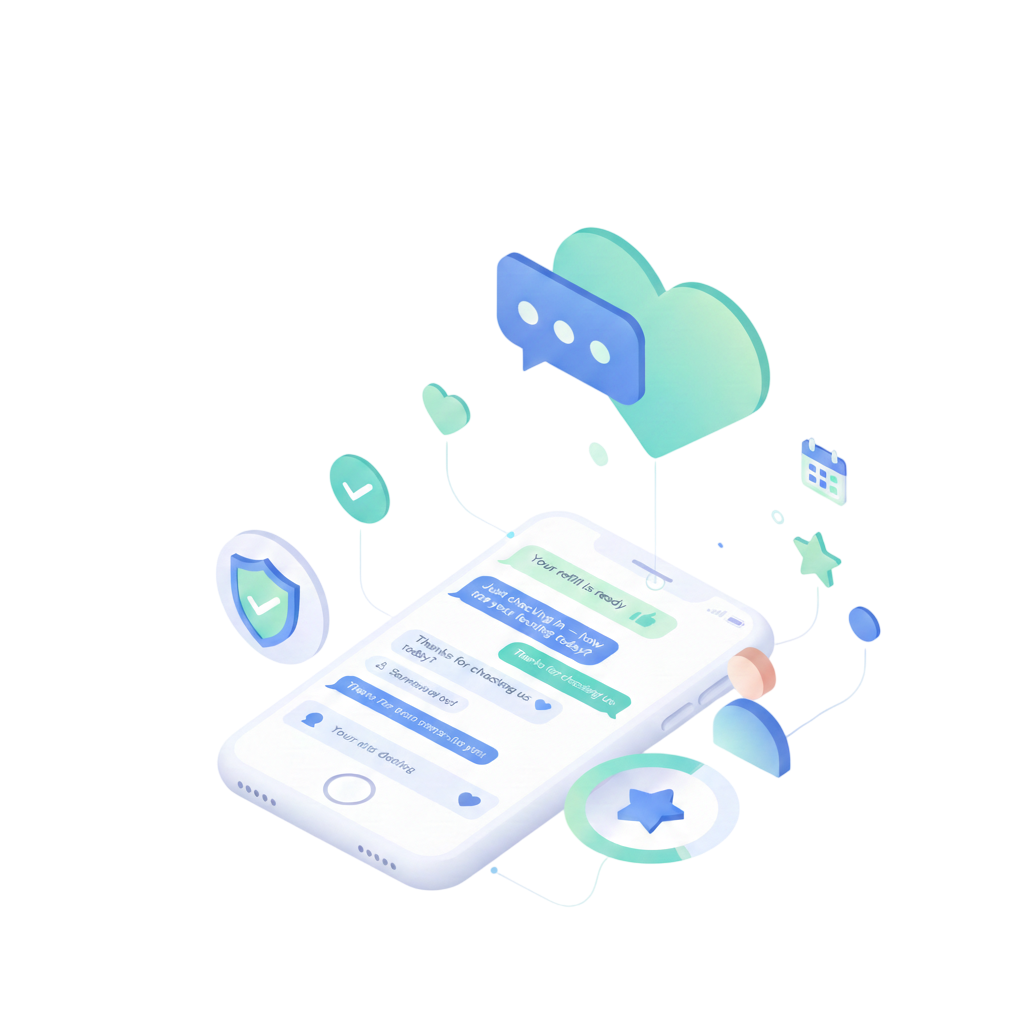
Proactive communication helps healthcare providers stay ahead of patient concerns before frustration develops.
Instead of forcing patients to chase information, proactive communication keeps patients informed automatically.
Examples include:
Proactive communication helps patients feel:
This creates stronger patient relationships over time.
.jpg)
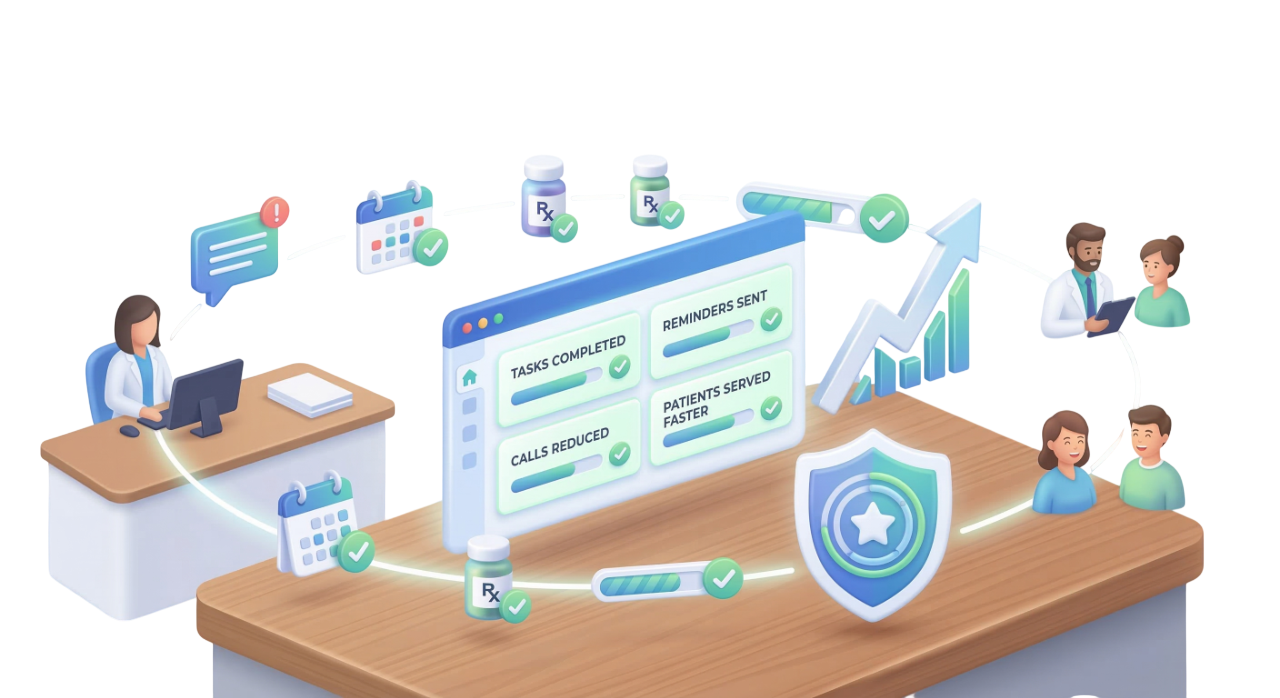
Healthcare providers that improve communication workflows often experience benefits across both operations and patient experience.
Improved Patient Satisfaction
Patients appreciate communication that feels:
Clear communication reduces uncertainty and creates more positive healthcare experiences.
Reduced Operational Stress
Automation and streamlined communication reduce repetitive manual tasks for healthcare teams.
This helps reduce:
Better Appointment Attendance
Automated reminders and confirmations help reduce:
Consistent reminders help improve workflow organization and scheduling efficiency.
.jpg)
Stronger Patient Loyalty
Patients who feel informed and supported are more likely to:
Communication directly influences trust and retention.
Finerr is a patient engagement platform designed to help healthcare organizations improve communication, automate workflows, simplify operations, and strengthen patient relationships.
Finerr supports:
Cloud Phone Systems
Finerr’s cloud phone systems help healthcare providers:
Automated Patient Reminders
Automated reminders help healthcare teams proactively communicate appointment updates and confirmations.
Benefits include:
Two-Way Texting
Patients increasingly prefer convenient digital communication.
Two-way texting helps healthcare organizations:
Online Scheduling
Online scheduling helps reduce communication friction while improving convenience.
Benefits include:
Finerr helps healthcare providers move from reactive communication to proactive patient engagement.
Instead of patients constantly calling for updates, waiting on hold, or struggling to reach staff, healthcare organizations can create communication workflows that feel:
Modern healthcare communication should not rely entirely on manual follow-ups and repetitive phone calls.
Patients increasingly expect timely updates, clear communication, and convenient digital interactions throughout their healthcare journey. When communication feels slow or inconsistent, frustration builds quickly for both patients and staff.
Finerr helps healthcare organizations simplify communication by creating more connected and streamlined patient engagement experiences.
Rather than reacting to communication problems after they occur, practices can proactively keep patients informed through smarter workflows and automated engagement tools.
This helps reduce common communication challenges such as:
By reducing communication friction, healthcare teams can spend less time managing interruptions and more time focusing on patient care and operational priorities.
Finerr also helps practices create a more consistent patient experience across multiple communication touchpoints, including:
When communication becomes more organized and predictable, patients often feel more supported, informed, and connected to their provider.
At the same time, healthcare teams benefit from:
Smoother communication experiences also contribute to stronger long-term business outcomes.
Healthcare organizations that improve communication consistency are often better positioned to:
Communication should not feel difficult or frustrating for patients.
It should feel simple, supportive, accessible, and seamless.
Finerr helps healthcare organizations create communication experiences that better match the expectations of today’s patients while supporting more efficient day-to-day operations for healthcare teams.
Healthcare organizations using connected patient engagement systems are improving communication, operational efficiency, and patient experience.
Explore Finerr Case Studies:
Ocean Pharmacy Case Study Westside Pharmacy Case Study Top Value Pharmacy Case Study Zarchy Pharmacy Case Study Carteret Pharmacy Case StudyThese examples demonstrate how stronger communication systems and proactive patient engagement can improve healthcare operations and patient relationships.
Healthcare communication will continue evolving toward:
Patients increasingly expect healthcare communication to feel similar to other modern digital experiences:
Healthcare providers that improve communication today are building stronger patient relationships for the future.
.jpg)
Patient communication is no longer simply an operational responsibility.
It has become one of the most important parts of modern healthcare experience.
Patients do not want to chase updates, wait for responses, or experience communication uncertainty.
They value healthcare organizations that communicate proactively, clearly, and consistently.
Timely reminders, refill notifications, scheduling updates, and faster communication help reduce frustration while strengthening patient trust and loyalty.
Finerr helps healthcare providers improve patient communication, automate engagement workflows, simplify operations, and create smoother patient experiences through connected digital healthcare solutions.


Patient communication has become one of the most important parts of modern healthcare experience. Patients no longer want to chase updates, wait on hold, or repeatedly follow up for basic information. They expect proactive communication that feels fast, organized, and convenient. Timely reminders, refill alerts, appointment confirmations, and responsive messaging help reduce uncertainty while improving patient trust and satisfaction. Finerr helps healthcare providers improve patient communication through cloud phone systems, automated reminders, two-way texting, scheduling tools, and connected patient engagement workflows. Proactive communication creates smoother patient experiences, stronger loyalty, reduced operational stress, and better long-term healthcare growth.
Get in Touch

Proactive patient communication involves sending reminders, updates, refill alerts, and follow-up information before patients need to ask for it. It helps reduce uncertainty and improve healthcare experience.
Patient communication improves trust, satisfaction, engagement, and retention while helping healthcare providers create smoother and more organized experiences.
Poor communication can create frustration, confusion, missed appointments, delayed responses, and lower patient confidence in healthcare providers.
Patients appreciate proactive communication because it keeps them informed, reduces uncertainty, and makes healthcare interactions feel more convenient and organized.
Examples include appointment reminders, refill notifications, follow-up messages, scheduling confirmations, and fast patient response systems.
Automated reminders improve attendance, reduce missed appointments, simplify communication workflows, and help patients stay informed.
Fast responses improve patient confidence, reduce frustration, and help healthcare organizations create more trusted patient experiences.
Patients are more likely to remain loyal to providers who communicate clearly, consistently, and proactively throughout their healthcare journey.
Healthcare providers often struggle with high call volumes, missed messages, delayed callbacks, disconnected systems, and repetitive communication tasks.
Healthcare providers can reduce overload through automation, connected communication systems, reminders, and streamlined patient engagement workflows.
A patient engagement platform helps healthcare organizations improve communication, automate workflows, simplify operations, and strengthen patient relationships.
Cloud phone systems help healthcare providers reduce missed calls, improve responsiveness, and organize communication workflows more efficiently.
Two-way texting provides faster and more convenient patient communication while improving engagement and accessibility.
Disconnected systems create delays, missed updates, workflow confusion, and inconsistent patient experiences across healthcare communication channels.
Proactive communication reduces repetitive calls, prevents confusion, improves scheduling organization, and helps healthcare teams manage workflows more efficiently.
Communication shapes how patients perceive responsiveness, professionalism, organization, and overall healthcare quality.
Healthcare providers can improve trust through faster responses, proactive updates, consistent communication, and smoother patient experiences.
Finerr helps healthcare providers improve communication through reminders, texting solutions, cloud phone systems, scheduling tools, and connected workflows.
Patients increasingly expect healthcare interactions to feel convenient, mobile-friendly, accessible, and digitally connected.
The future of patient communication focuses on automation, accessibility, proactive engagement, connected systems, and faster digital interactions.
See how Finerr helps healthcare providers improve communication, automate engagement workflows, and create smoother patient experiences that build trust and support long-term growth.