Jimmish Sheth | April 13, 2026 | 3 min read
If your pharmacy feels like it's always reacting, you're not alone.
Phones ring nonstop. Staff jump between tasks. Problems are solved just long enough for the next one to appear.
This constant "firefighting" isn't caused by lack of effort. It's caused by systems that force teams to react instead of operate proactively. Today, more pharmacies are realizing that smarter operations come from better systems—not harder work. This blog explores how pharmacies are moving away from chaos by embracing automation, communication tools, and structured workflows.
Most pharmacies don't plan to operate reactively—it happens gradually. As workload increases, teams respond to what's loudest or most urgent in the moment.
Common signs of reactive pharmacy operations include:
Without structured systems, pharmacies spend their time responding to problems instead of preventing them.

Operating in reactive mode doesn't just feel stressful—it's expensive.
Every interruption breaks focus, slows accuracy, and increases fatigue.
Over time, reactive workflows lead to:
Firefighting keeps pharmacies busy, but not efficient.
Read more: Automation Future 2025Pharmacy workflow automation shifts operations from reactive to proactive by creating predictable, repeatable processes.
Instead of relying on memory or urgency, automation ensures tasks move forward automatically.
Workflow automation helps by:
When workflows are automated, teams regain control over their day.

An IVR cloud phone system is one of the most impactful tools for reducing daily chaos. Traditional phone handling forces staff to answer every call, regardless of urgency.
With IVR systems:
This allows teams to focus on patient care instead of constant call management.
A virtual phone system for patient engagement goes beyond basic call handling. It ensures patients receive fast, consistent responses—even during peak hours.
Virtual phone systems:
Better phone systems improve both staff efficiency and patient experience.
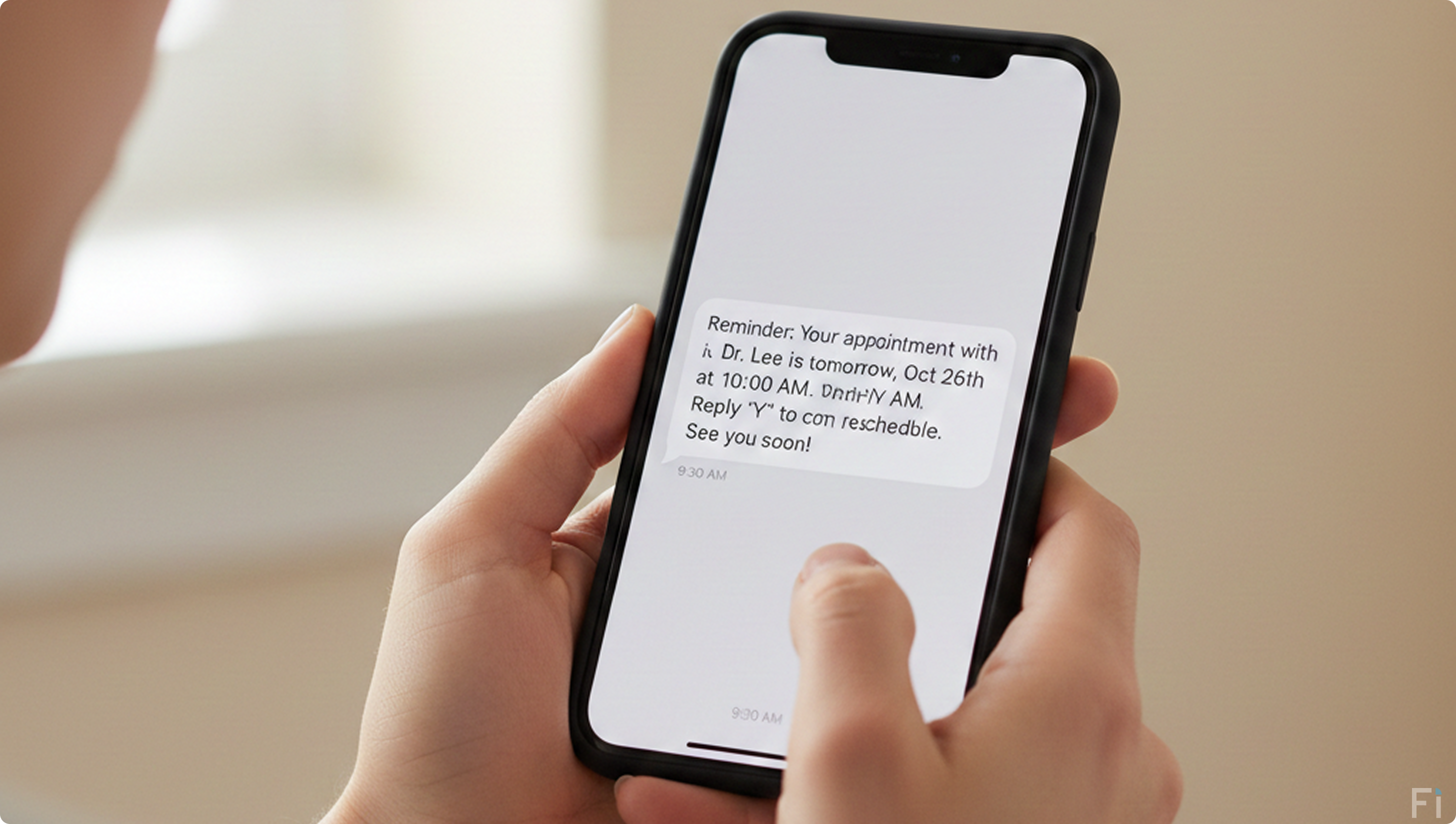
Read more: Juggling Too Many Tools? Manage Everything from One Dashboard with FinerrPhone calls aren't always the best way to communicate. Automated SMS for patient engagement allows pharmacies to send timely updates without interrupting staff.
Automated SMS helps by:
This reduces confusion and prevents problems before they start.
As pharmacies grow, communication becomes harder to manage manually. Patient communication software centralizes messaging across channels, creating consistency and clarity.
Effective communication software:
Clear communication is a foundation of smarter operations.
Smarter operations aren't just about patients—they're about teams too. An employee management clock helps pharmacies understand how time is actually spent.
Time management tools:
When staff time is managed proactively, burnout decreases.
Read more: 5 Ways to Optimize Your Pharmacy IVRWhen pharmacies combine workflow automation, communication tools, and time management systems, daily operations change dramatically.
Instead of reacting to problems, pharmacies can:
Smarter systems turn chaos into control.
Finerr is built to help pharmacies transition from reactive workflows to proactive operations. By integrating communication, automation, and time management into one platform, Finerr removes daily friction.
With Finerr, pharmacies can:
The result is calmer days, more focused teams, and better patient experiences.
Constant firefighting isn't a sign of dedication—it's a sign that systems need attention.
Pharmacies that move to smarter operations don't work harder; they work differently. By adopting automation, modern communication tools, and structured workflows, pharmacies can stop reacting to problems and start preventing them. Smarter operations create space for better care, healthier teams, and sustainable growth.


Many pharmacies operate in constant firefighting mode due to reactive systems, not lack of effort. Frequent interruptions, manual follow-ups, and unclear workflows increase errors, stress, and burnout. This blog explains how pharmacy workflow automation, IVR cloud phone systems, automated SMS, and patient communication software help pharmacies move to smarter, proactive operations that reduce chaos and improve both staff efficiency and patient experience.
Get in Touch






Most pharmacies rely on reactive workflows where issues are handled only when they become urgent. Phones, manual tasks, and unclear processes drive constant interruptions. This keeps teams busy but not efficient.
Smarter operations focus on preventing problems instead of reacting to them. Automation, structured workflows, and proactive communication help pharmacies stay in control. The goal is predictability, not constant urgency.
Pharmacy workflow automation ensures tasks move forward automatically without manual follow-ups. It creates consistency and clear ownership. This reduces interruptions and last-minute problem-solving.
An IVR cloud phone system automatically handles routine calls and routes patients correctly. It reduces call interruptions for staff. This helps pharmacies manage high call volume more efficiently.
IVR systems handle repetitive calls so staff can focus on patient care and accuracy. Fewer interruptions improve focus and reduce stress. Staff work more effectively throughout the day.
A virtual phone system manages calls digitally instead of relying on traditional phone lines. It ensures patients receive timely responses. This improves engagement without overwhelming staff.
Each phone call breaks focus and slows task completion. Repeated interruptions increase errors and fatigue. Reducing call overload is key to smarter operations.
Automated SMS sends reminders and updates without staff involvement. It reduces inbound calls and confusion. Patients stay informed proactively.
Many patients prefer SMS for quick updates and reminders. It's fast, convenient, and less disruptive. SMS supports modern patient expectations.
Patient communication software centralizes messaging across calls, texts, and reminders. It prevents missed messages and inconsistencies. Clear communication is essential for proactive operations.
Yes. Clear, consistent communication reduces misunderstandings and follow-up calls. Fewer interruptions allow staff to focus on accuracy.
Automation handles predictable tasks automatically. This prevents issues before they escalate. Teams stop reacting to problems and start managing workflows strategically.
An employee management clock provides visibility into staff workloads. It helps pharmacies balance schedules and avoid overload. Time data supports better planning.
By tracking time accurately, managers can prevent overworking staff. Workloads become fairer and more predictable. This improves morale and retention.
Yes. Faster responses, fewer delays, and clear communication improve patient trust. Patients experience smoother service when operations run efficiently.
With the right platform, implementation is straightforward. Integrated systems simplify workflows rather than adding complexity. Training is usually faster.
Yes. Automation allows pharmacies to handle more work with the same team. This reduces the need for constant hiring.
Proactive communication prevents confusion before patients need to call. Reactive communication increases call volume and stress. Proactive systems create calmer operations.
Many pharmacies see improvements within weeks. Reduced calls, clearer workflows, and lower stress appear quickly once systems are in place.
Finerr integrates IVR phone systems, automated SMS, workflow automation, and employee time tracking. It helps pharmacies move from constant firefighting to controlled, proactive operations.
See how Finerr's IVR phone systems, automated SMS, workflow automation, and time management tools help your pharmacy operate proactively instead of reactively.