Jimmish Sheth | October 1, 2025
The holiday rush, flu season, and everyday refill requests can flood your pharmacy phone lines. That's why many independent pharmacies rely on Interactive Voice Response (IVR) systems � automated phone menus that route calls, handle refill requests, and provide information without tying up staff.
But here's the truth: an outdated or poorly designed IVR system can frustrate patients instead of helping them. Optimizing your IVR ensures your pharmacy delivers fast, convenient, and patient-friendly communication.
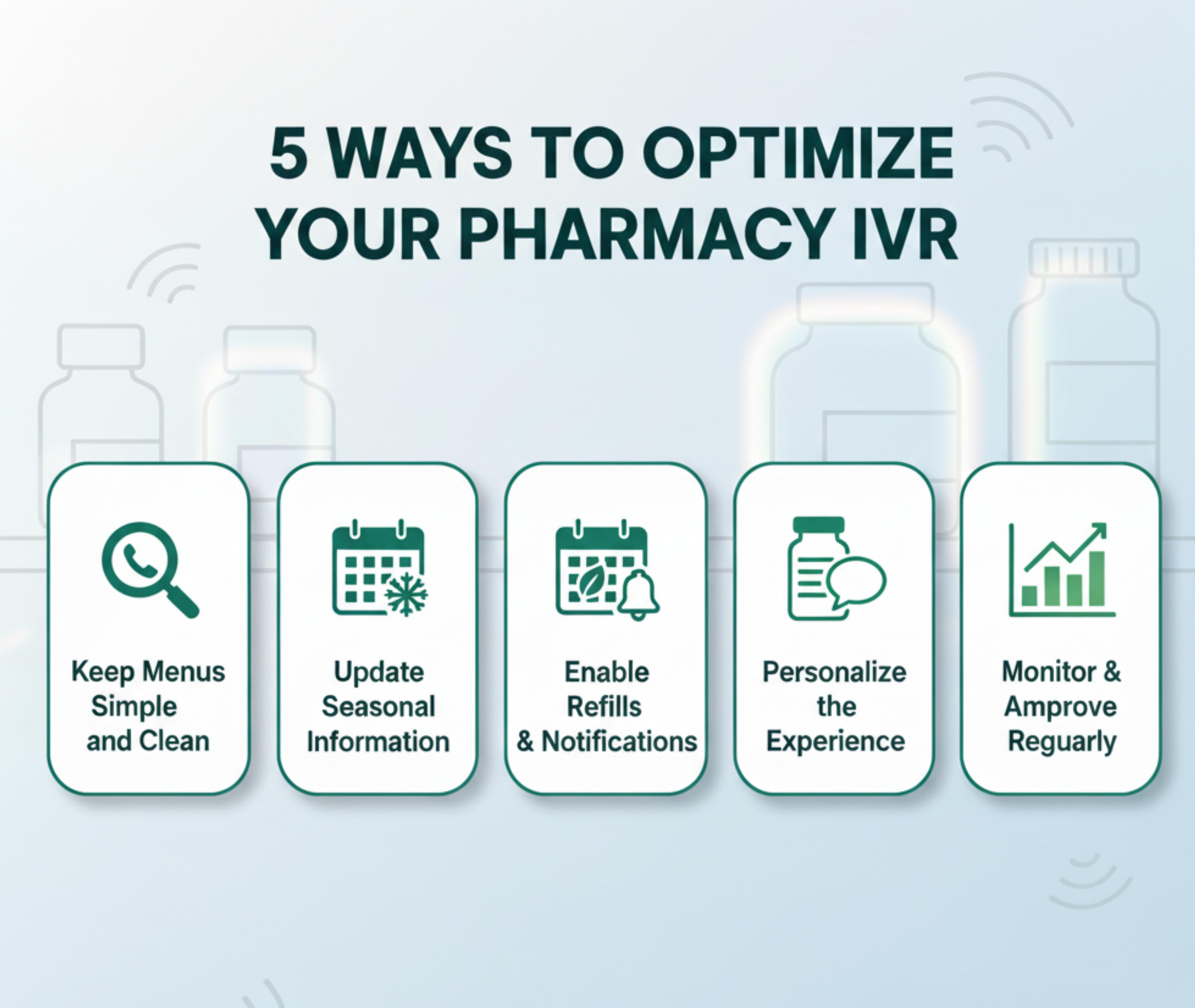
Here are 5 ways to optimize your pharmacy IVR in 2025.
Long or confusing menus often lead to hang-ups. Stick to 3�5 main options, such as:
Tip: Regularly test your IVR menu. If it takes more than 30 seconds to reach the right option, it�s too long.
Your IVR greeting should always reflect current events. Update messages to include:
This proactive approach reduces unnecessary calls and builds patient trust.
One of the biggest advantages of IVR is automation. Allow patients to request refills without speaking to staff. Integrated platforms like Finerr can:
Patients appreciate a personalized touch, even from an automated system. Options include:
This helps your pharmacy feel more approachable than a generic call center.
Track IVR performance by reviewing call logs and patient feedback. Look for:
An optimized IVR system can be the difference between a patient staying loyal or switching to a competitor. By keeping menus simple, updating seasonal info, and integrating with digital tools, you can ensure your pharmacy delivers efficient, patient-friendly service year-round.
Pro tip: With Finerr�s IVR integration, you can automate refills, send notifications, and manage call volume seamlessly � freeing your staff to focus on patient care.
Ready to transform your practice? Request a demo with Finerr today.
Read more about Finerr:


By reducing wait times, offering 24/7 refill access, and providing clear information anytime.
It's an automated phone system that helps patients request refills, check hours, or connect with staff without waiting on hold.
Yes. Even smaller pharmacies can benefit from automation � saving staff time and improving patient convenience.
A pharmacy IVR system is an automated phone system that answers incoming calls and guides patients using voice menus. It helps manage high call volumes while ensuring patients receive timely information without waiting on hold.
Pharmacies receive frequent calls for refills, hours, and appointment queries. An optimized IVR Phone system reduces call congestion and allows staff to focus on in-store patient care.
Poor IVR design can frustrate patients with long menus and unclear options. This leads to dropped calls, repeat calls, and dissatisfaction with pharmacy communication.
Optimization starts with simplifying menu options and prioritizing common requests. An IVR cloud phone system should route patients quickly to the right solution or self-service option.
Best practices include short menus, clear language, and logical option grouping. Patients should reach their destination within a few selections to avoid frustration.
Optimized IVR systems reduce wait times and confusion. Patients feel heard and supported when they can resolve issues quickly through the phone system.
Yes, IVR systems can automate refill requests and confirmations. This reduces manual work for staff and ensures patients receive faster responses.
By handling routine questions automatically, an IVR cloud phone system prevents unnecessary calls from reaching staff. This improves efficiency during peak hours.
Yes, IVR systems can direct patients to appointment scheduling options. When integrated with a Scheduling Platform, patients can book or confirm visits without staff involvement.
IVR systems provide 24/7 access to basic information like hours, refills, and instructions. This ensures patients are supported even when the pharmacy is closed.
Yes, by handling repetitive calls automatically, IVR systems reduce interruptions. This helps lower workload pressure and staff burnout.
Optimized IVR menus direct calls based on patient intent. This reduces misrouted calls and repeated transfers.
IVR supports engagement by offering quick access to information and next steps. When paired with a Patient Engagement Platform, it strengthens overall communication.
IVR systems should be reviewed regularly based on call data and patient feedback. Continuous optimization ensures the system remains effective as needs change.
Yes, modern IVR cloud phone systems can offer language options. This improves accessibility and inclusivity for diverse patient populations.
Call analytics reveal common patient needs and peak call times. This data helps pharmacies refine workflows and staffing strategies.
Avoid overly long menus, unclear prompts, and dead ends. A confusing IVR experience can discourage patients from calling again.
Yes, IVR systems can integrate with scheduling, messaging, and patient records. Integration improves continuity across communication channels.
Efficient IVR systems reduce manual call handling and speed up patient interactions. This improves daily operations and service quality.
The first step is analyzing call patterns and identifying common patient requests. From there, the IVR flow can be redesigned to match real patient needs.