Jayesh Sarawagi | December 15, 2025
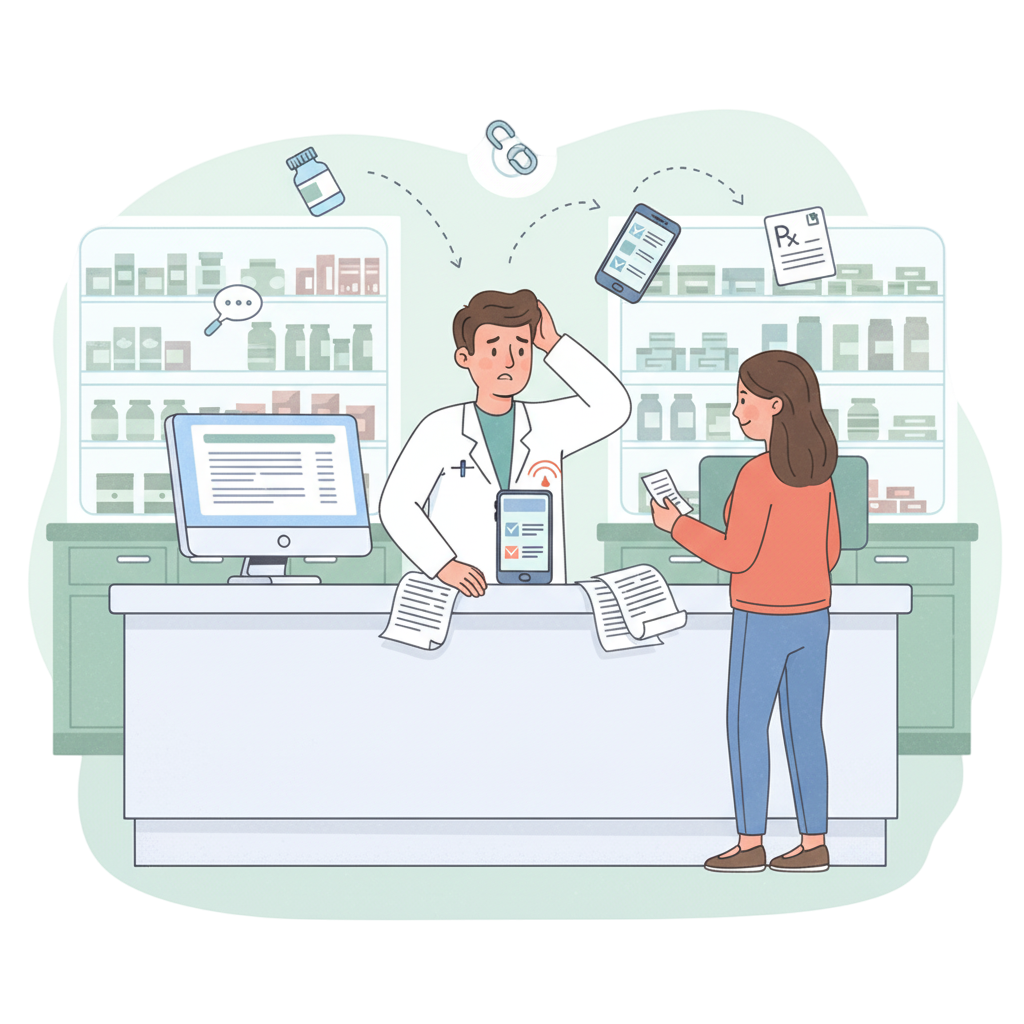
Modern pharmacies are smarter than ever — digital orders, automated billing, and online consultations have transformed operations.
But behind the scenes, most pharmacies still run on a maze of disconnected systems — one for calls, one for WhatsApp, one for CRM, another for analytics.
The result? Constant switching, missed data, and patient experiences that feel disjointed.
In a 2024 Pharmacy Digital Operations Report, 74% of independent pharmacies said managing multiple disconnected tools was their biggest productivity challenge.
That's why integration is no longer optional — it's essential. And this is where Finerr One changes the game.
Every pharmacy's digital journey starts with good intentions — adopting tools for calls, chats, billing, and reminders. But without integration, those tools quickly become silos.
Here's what that looks like in real life:
The result? Delays, confusion, and frustration — both for your team and your patients.
Fact: Pharmacies using more than 4 disconnected tools waste up to 8–10 hours weekly on manual coordination and data duplication.
Pharmacy is not just about filling prescriptions — it's about ensuring continuity of care. When systems fail to integrate, the quality of that continuity breaks down.
When call data isn't synced with follow-ups or CRM, patients fall through the cracks.
Without unified data, you can't track performance metrics like average response time, missed calls, or customer retention.
Patients expect seamless service. Disconnected systems create repetition — "I already told this to someone!" — reducing trust and satisfaction.
Think of your pharmacy as a body. Each tool — calls, chat, CRM, reports — is an organ. But without a system connecting them, the heart (communication) can't pump information efficiently.
Integration is what turns scattered operations into a living, breathing ecosystem. It makes your pharmacy smarter, faster, and more responsive.
Finerr One integrates all essential pharmacy operations — communication, CRM, reporting, and engagement — into a single platform.
Here's what that means for you:
All calls, texts, and WhatsApp chats are centralized. You see every interaction in one timeline — so you know exactly where each patient stands.
Patient data automatically links with their communication history. You can instantly see refill frequency, purchase behavior, and response history.
Finerr connects data to action — automating reminders, thank-you messages, and internal tasks.
Every action feeds into live dashboards. You can track performance, identify bottlenecks, and make data-backed decisions.
For pharmacy chains, Finerr ensures seamless integration across all branches, keeping communication consistent and transparent.
Pharmacies that adopt integrated systems report remarkable operational improvements:
| Key Metric | Before Finerr | After Finerr Integration |
|---|---|---|
| Time Spent on Manual Updates | 6 hrs/day | 45 mins/day |
| Missed Communication | 20% | <3% |
| Refill Retention Rate | 60% | 89% |
| Staff Productivity | Average | 2.5x Higher |
When everything works together, everyone wins — patients, pharmacists, and the business itself.
LifePlus Pharmacy, a 3-branch operation in Delhi, was juggling 5 different tools for operations. They were losing time and patients due to miscommunication between staff.
After implementing Finerr One, they integrated:
The outcome:
That's not just software efficiency — that's a cultural shift toward smarter pharmacy management.
Patients may never see your backend systems — but they feel their impact. When communication is quick, records are accurate, and service is seamless, trust grows naturally.
Integration ensures patients experience consistency across every touchpoint. It turns transactions into relationships — and pharmacies into care partners.
Finerr is moving beyond simple integration. The next generation of Finerr will offer predictive care, where data across systems works together to anticipate patient needs.
For example:
The future pharmacy isn't just digital — it's deeply connected.
Disconnected systems create disconnected care. But when everything flows together — communication, data, and follow-ups — your pharmacy becomes truly efficient and patient-centered.
Finerr One helps you:
Because every connection counts — not just between people, but between systems.
Ready to see how integration transforms your pharmacy? Book your Finerr Demo today!
Read more about Finerr:


Because staff constantly switch tools, creating delays, errors, and duplicated work.
It centralizes communication, ensuring consistent follow-ups and accurate patient information.
Finerr connects calls, chats, CRM, analytics, and automation in one dashboard.
Fewer missed calls, faster responses, higher retention, and improved team efficiency.
Disconnected systems are separate software tools used for calling, messaging, scheduling, and patient records that do not communicate with each other. This forces staff to manage multiple platforms manually, increasing inefficiency. Over time, it leads to fragmented patient experiences and operational delays.
When systems are disconnected, patient messages, calls, or appointment details can be missed or delayed. This results in poor communication, longer wait times, and reduced trust. A unified Patient Engagement Platform helps eliminate these gaps.
A Patient Engagement Platform centralizes patient communication, scheduling, and follow-ups into one system. This allows pharmacies to deliver consistent, timely, and personalized care across all touchpoints.
Staff must repeatedly enter the same data across multiple tools and switch between systems. This manual effort increases errors, slows workflows, and contributes to staff burnout.
An IVR cloud phone system automates inbound calls and routes them efficiently. When integrated, it connects call data directly to patient records and scheduling workflows.
An IVR Phone system answers every incoming call automatically and guides callers to the right option. This ensures patient inquiries are handled even during peak hours.
Centralized communication ensures all calls, texts, and appointment requests appear in one dashboard. This improves response speed, accuracy, and overall patient satisfaction.
A Scheduling Platform enables patients to book appointments online with real-time availability. Automated reminders further reduce no-shows and manual coordination.
Yes, integrated systems sync patient data automatically across platforms. This reduces duplicate entries, scheduling conflicts, and communication mistakes.
Patients experience faster responses, fewer errors, and seamless communication. A connected Patient Engagement Platform builds confidence and loyalty.
It automates common requests such as refills or appointment inquiries. This reduces call volume and allows staff to focus on in-person patient care.
It should include messaging, an IVR Phone system, a Scheduling Platform, analytics, and secure data management. These features ensure complete patient interaction coverage.
Yes, automated reminders and centralized alerts ensure follow-ups are tracked and completed on time.
Integrated systems provide insights into calls, bookings, and patient engagement trends. These insights support better operational decisions.
By eliminating repetitive tasks and system switching, staff can work more efficiently. This improves morale and service quality.
The IVR Phone system uses pre-configured menus to direct callers instantly. This removes the need for manual call transfers.
Pharmacies experience reduced call congestion, faster workflows, and better patient engagement when systems are connected.
Appointments automatically sync with reminder messages. This improves attendance and reduces administrative work.
Yes, consistent and reliable communication builds long-term patient relationships.
Modern platforms follow HIPAA guidelines and use encrypted systems to protect patient data.