
Why Fewer Calls Create Better Patient Experiences in Modern Pharmacies
Jayesh Sarawagi | April 20, 2026 | 3 min read
Explore this content with AI:


The Role of Healthcare IVR in Smarter Call Handling
In many pharmacies, a constantly ringing phone is seen as a sign of engagement. In reality, it's often a sign of friction. Patients call when they are unsure, waiting for updates, or unable to get information easily. For staff, this means constant interruptions and less time for meaningful care.
Modern pharmacies are discovering a simple truth: fewer calls often lead to better patient experiences. By using smarter communication systems, pharmacies can reduce unnecessary calls while delivering faster, clearer, and more reliable service. This blog explains why call reduction matters—and how it directly improves patient satisfaction.
Why High Call Volume Hurts Patient Experience
Phone calls feel personal, but high call volume creates delays and frustration on both sides. Patients wait on hold. Staff rush through conversations. Important details can be missed.
High call volume often leads to:
- Longer wait times for patients
- Interrupted workflows for staff
- Inconsistent information sharing
- Increased stress during peak hours
When communication depends heavily on phone calls, experience quality becomes unpredictable.

What Drives Unnecessary Calls in Pharmacies?
Most pharmacy calls are not clinical emergencies. They are routine questions that could be handled automatically or proactively.
Common reasons patients call include:
- Prescription refill status
- Store hours or location
- Appointment confirmations
- Insurance or copay questions
These calls happen because information isn't delivered at the right time or through the right channel.
Read more: Fewer Calls, Smoother Days: How Pharmacies Can Work Better and Care MoreHow a Cloud Phone System for Pharmacy Reduces Friction
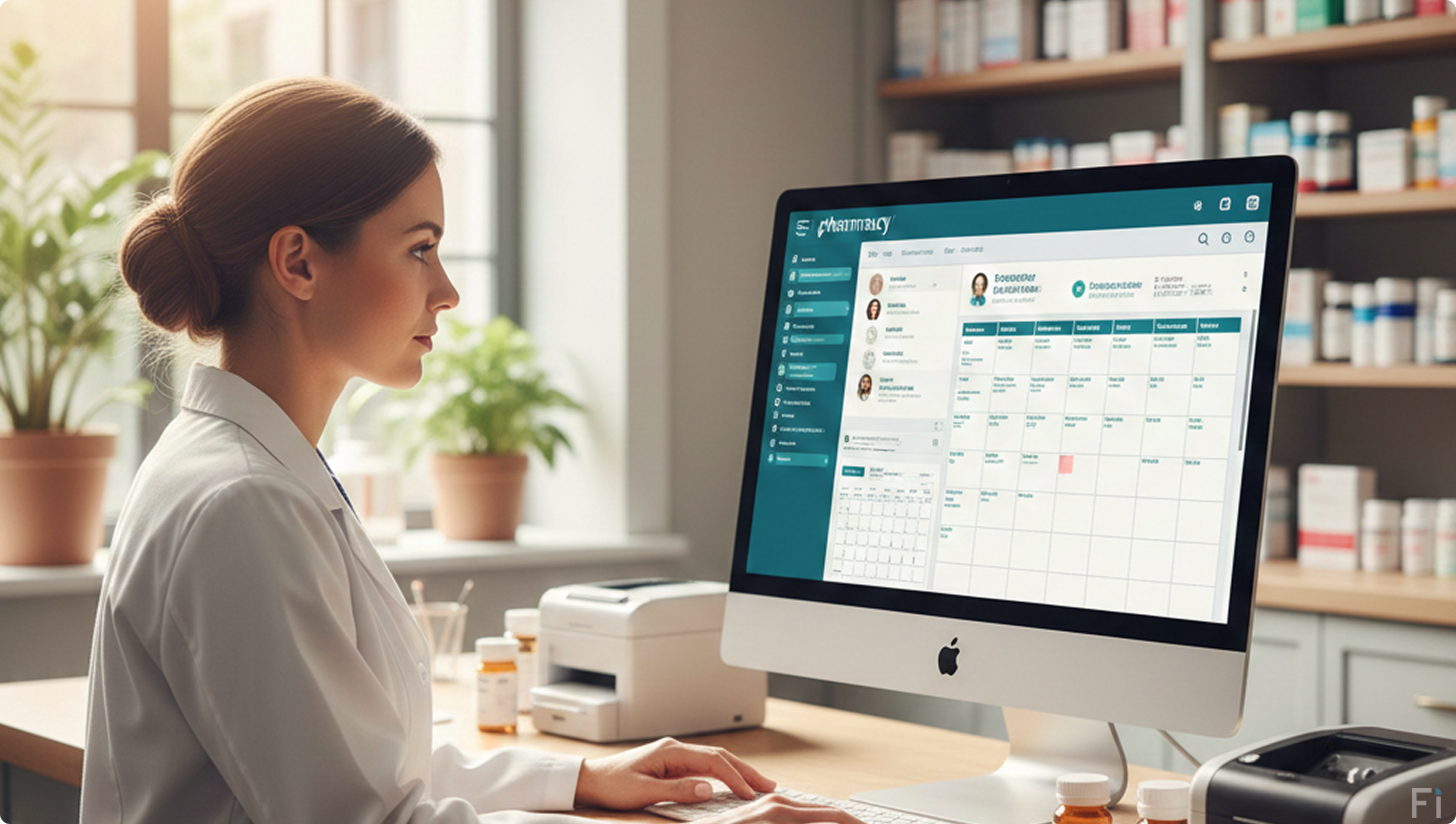
A cloud phone system for pharmacy operations replaces traditional phone handling with smarter call routing and automation. Instead of every call reaching staff directly, routine requests are handled automatically.
With a cloud phone system:
- Patients get answers faster
- Staff face fewer interruptions
- Calls are routed based on urgency
This creates smoother communication for everyone involved.
The Role of a Healthcare IVR Cloud Phone System
A healthcare IVR cloud phone system guides patients through clear options instead of forcing them to wait on hold. Patients can request refills, get basic information, or reach the right department without delay.
IVR systems:
- Reduce call congestion
- Improve call accuracy
- Ensure no patient is ignored
IVR doesn't remove human support—it protects it.
Why Virtual Phone Systems Improve Patient Engagement
A virtual phone system for patient engagement ensures patients are acknowledged even during busy periods or after hours. Missed calls often lead to frustration and repeat dialing.
Virtual systems help by:
- Acknowledging every caller
- Supporting after-hours communication
- Reducing repeat calls
Patients feel heard, even when staff aren't immediately available.
Read more: Missed Calls, Missed Patients: How Pharmacies Lose Without Smart CommunicationHow Automated Appointment Reminders Reduce Calls
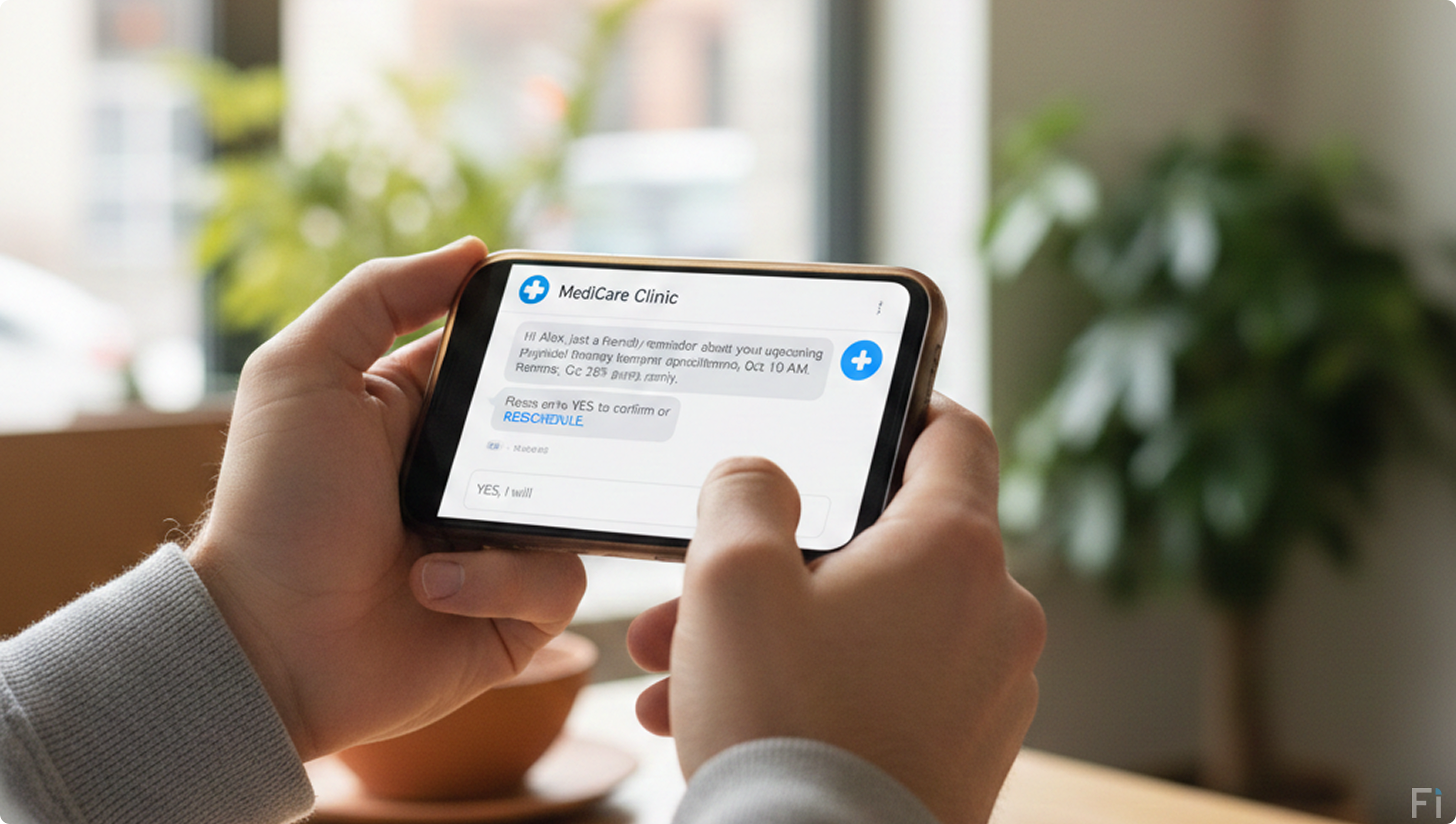
Many patient calls exist simply to confirm appointments. Automated appointment reminders eliminate that need entirely.
Automated reminders:
- Confirm appointments proactively
- Reduce no-shows
- Cut inbound calls
Clear reminders create confidence and reduce uncertainty for patients.
The Impact of Patient Text Messaging Software
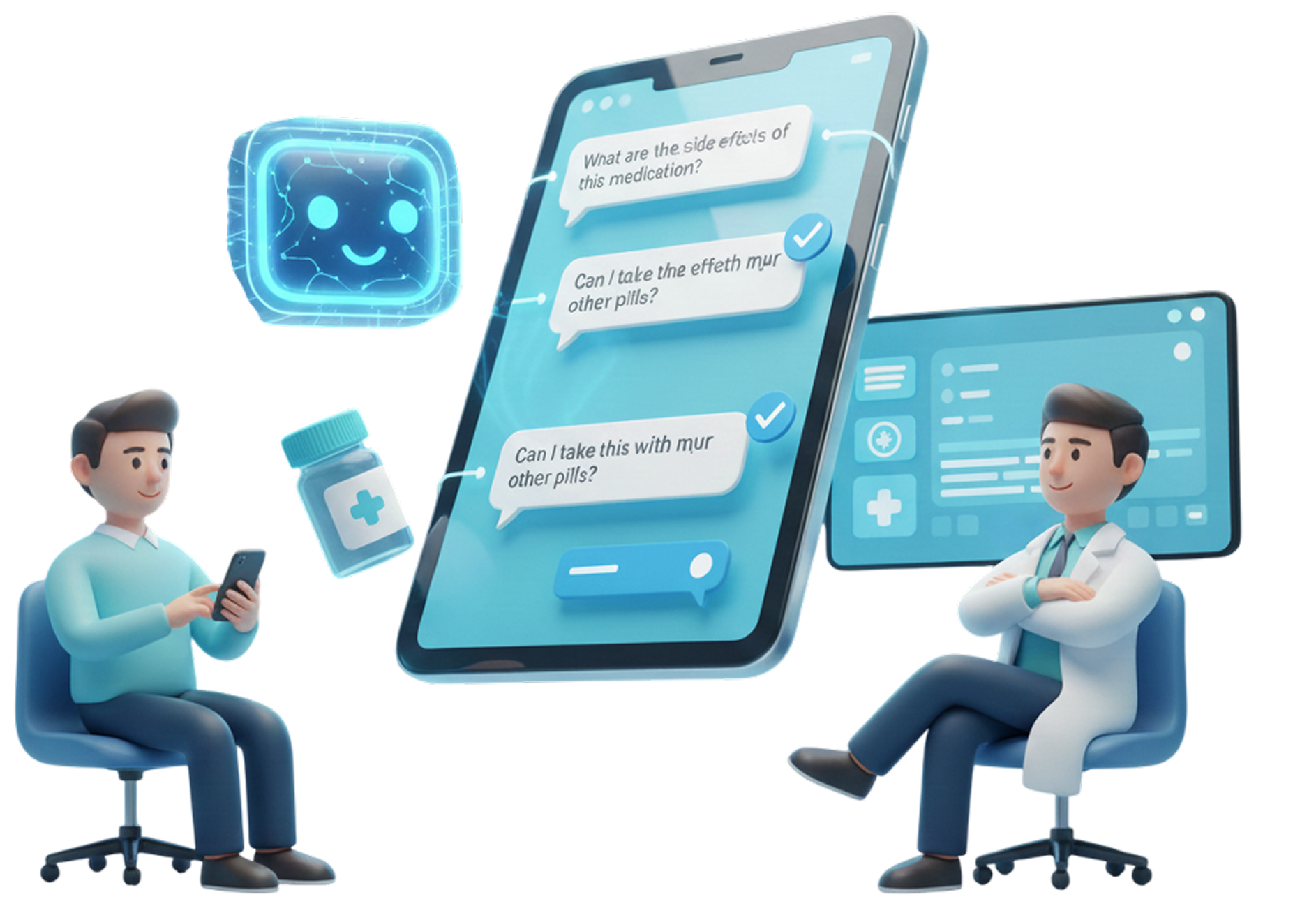
Patient text messaging software allows pharmacies to communicate quickly without interrupting workflows. Text messages are faster than calls and easier for patients to respond to.
Text messaging:
- Reduces call volume
- Speeds up responses
- Matches modern communication preferences
This improves both efficiency and patient satisfaction.
Why HIPAA-Compliant Refill Requests Matter
Handling refill requests manually creates delays and repeated calls. HIPAA-compliant refill request systems allow patients to submit requests securely without calling.
Secure refill systems:
- Reduce phone traffic
- Improve request accuracy
- Protect patient data
Patients get peace of mind, and staff regain time.
Refill Requests via Website or Voicemail: A Smarter Approach
Offering refill request via website or voicemail gives patients flexible options to communicate without tying up phone lines.
When refill requests are structured:
- Requests are processed faster
- Follow-up calls decrease
- Staff avoid manual transcription
This turns a common pain point into a smooth experience.
Read more: 5 Ways to Optimize Your Pharmacy IVRWhy Fewer Calls Lead to Better Care Conversations
When staff aren't constantly answering phones, in-person interactions improve. Pharmacists can spend more time counseling patients and ensuring accuracy.
Fewer calls result in:
- Better focus
- Higher-quality patient conversations
- Reduced errors
Less noise creates more meaningful care.
How Finerr Helps Pharmacies Reduce Calls and Improve Experience
Finerr helps pharmacies reduce unnecessary calls while strengthening patient communication. By combining phone systems, IVR, texting, reminders, and refill workflows into one platform, Finerr simplifies communication.
With Finerr, pharmacies can:
- Use a cloud phone system for pharmacy operations
- Implement healthcare IVR cloud phone systems
- Send automated appointment reminders
- Enable patient text messaging software
- Support HIPAA-compliant refill requests via website or voicemail
The result is fewer calls, calmer teams, and better patient experiences.

Final Thoughts
A busy phone doesn't equal great service. Clear, proactive communication does.
By reducing unnecessary calls and using smarter communication tools, pharmacies improve both staff efficiency and patient experience. Fewer calls create space for better care, faster responses, and stronger patient trust—the foundation of modern pharmacy success.
Explore this content with AI:
Share this Blog :


Subscribe to Finerr Newsletter
Summary
Constant phone calls often signal communication gaps, not engagement. High call volume interrupts staff, delays responses, and frustrates patients. This blog explains how cloud phone systems, IVR, automated reminders, text messaging, and secure refill workflows help pharmacies reduce unnecessary calls. By shifting to proactive communication, pharmacies create calmer workflows, better care conversations, and more consistent patient experiences.
Get in Touch
Unanswered Patient Queries? Here's How AI Solves It 24/7

Why Automated Patient Reminders Are a Game-Changer for Healthcare Practices

How Online Scheduling Reduces Pharmacy No-Shows in 2025

How Online Scheduling Improves Patient Loyalty in 2025

Top 5 Challenges in Healthcare Communication and How Finerr Solves Them
Digital First Blog | Finerr - Embracing Digital Transformation
Frequently Asked Questions
Why do fewer calls improve patient experience in pharmacies?
Fewer calls mean patients receive information proactively instead of waiting on hold. This reduces frustration and uncertainty. Clear communication leads to faster, more reliable service.
Are phone calls still important for pharmacy communication?
Yes, but not every interaction requires a call. Routine updates and confirmations are better handled automatically. This keeps phone conversations meaningful when they are truly needed.
What causes high call volume in pharmacies?
Most calls are driven by missing information, refill status questions, and appointment confirmations. When communication isn't proactive, patients call to fill the gaps.
How does a cloud phone system for pharmacy reduce calls?
A cloud phone system routes calls intelligently and handles routine requests automatically. Patients get answers faster without waiting for staff. This reduces unnecessary interruptions.
What is a healthcare IVR cloud phone system?
It's an automated phone system that guides patients through options like refills or store information. It reduces call congestion while ensuring every caller is acknowledged.
Does IVR make pharmacies feel less personal?
No. When implemented correctly, IVR improves service by speeding up responses. Staff have more time for in-person care, which actually feels more personal.
How do virtual phone systems improve patient engagement?
A virtual phone system for patient engagement ensures no calls are missed, even during peak hours or after hours. Patients feel heard and supported.
Why are automated appointment reminders important?
Automated appointment reminders reduce uncertainty and prevent no-shows. Patients receive timely confirmations without needing to call the pharmacy.
Do appointment reminders really reduce phone calls?
Yes. When patients receive reminders proactively, they don't need to call to confirm or ask questions. This significantly lowers inbound call volume.
How does patient text messaging software help pharmacies?
Text messaging allows quick, convenient communication without interrupting staff. Patients prefer texts for simple updates, which reduces phone dependence.
Is patient text messaging secure for healthcare use?
Yes, when implemented properly. Modern systems are designed to meet healthcare privacy standards and protect patient information.
Why are HIPAA-compliant refill requests important?
HIPAA-compliant refill request systems allow patients to submit requests securely without calling. This improves privacy, accuracy, and efficiency.
How do refill requests via website or voicemail reduce calls?
Structured refill request options let patients communicate without waiting on the phone. Requests are processed faster and more reliably.
Do fewer calls reduce pharmacy staff stress?
Absolutely. Fewer interruptions allow staff to focus on accuracy and patient care. This lowers stress and improves job satisfaction.
Can reducing calls improve care quality?
Yes. When staff aren't constantly interrupted, they can focus better on dispensing and counseling. This leads to fewer errors and better care.
Are patients comfortable with automated communication?
Most patients prefer fast, clear updates over waiting on hold. Automation improves convenience when done thoughtfully.
How does call reduction help during peak seasons?
During busy periods, automated systems handle increased communication volume. This prevents long wait times and staff overload.
Can small pharmacies benefit from reducing call volume?
Yes. Small pharmacies often see the biggest impact because limited staff handle many responsibilities. Call reduction frees up valuable time.
Is reducing calls about cutting service?
No. It's about delivering service in smarter ways. Patients get faster answers and better in-person care.
How does Finerr help pharmacies reduce calls and improve experience?
Finerr combines cloud phone systems, IVR, texting, reminders, and refill workflows into one platform. This reduces unnecessary calls while improving patient communication.
Ready to Reduce Calls and Improve Patient Experience?
See how Finerr's cloud phone system, IVR, automated reminders, and text messaging help your pharmacy deliver faster, clearer communication with fewer interruptions.