Jimmish Sheth | November 11, 2026
Veterans Day is an opportunity to recognize the courage, dedication, and sacrifice of the men and women who have served in the United States Armed Forces. Their commitment continues to inspire communities across the country, reminding us of the importance of gratitude, service, and looking after one another.
Honoring veterans should extend beyond a single day of appreciation. It can also mean recognizing the importance of accessible healthcare, respectful communication, and convenient ways for veterans and their families to connect with healthcare providers.
For many veterans, navigating healthcare may involve coordinating appointments, managing ongoing care, communicating with different providers, or helping family members understand next steps. Every person’s experience is different, and no single approach meets every veteran’s needs. However, clear communication and well-organized healthcare services can make everyday interactions easier.
Independent pharmacies, medical practices, dental offices, physical therapy clinics, medical spas, and veterinary practices all play roles in their communities. By making routine interactions more convenient and treating every person with respect, these organizations can help create a more welcoming healthcare experience.
Finerr supports independent healthcare providers through patient engagement technology, communication tools, scheduling, reminders, and related digital services. While Finerr is not a veterans’ benefits organization or a specialized veterans’ healthcare provider, its tools can help healthcare businesses organize everyday workflows and communicate more effectively with the people they serve.
This Veterans Day, we honor those who served and recognize the healthcare teams working every day to make care more accessible, organized, and patient-centered.
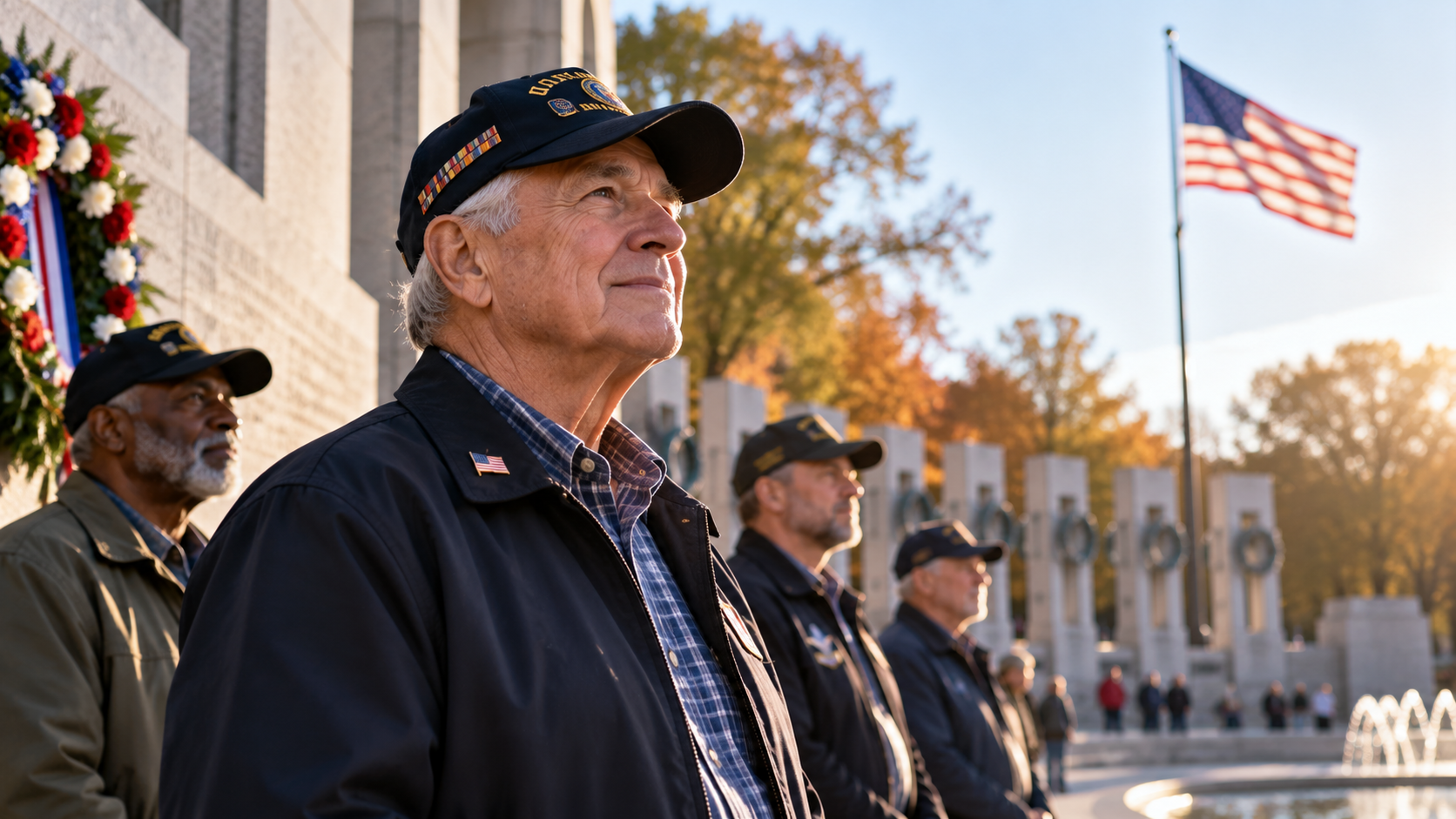
Veterans are not a single, uniform group. Their healthcare needs, experiences, ages, locations, and preferences vary widely. Some may need occasional appointments, while others coordinate multiple services or ongoing care. Others may be supporting a veteran as a family member or caregiver.
A positive healthcare experience begins with listening, providing clear information, and making it straightforward to access routine services. Technology can support these efforts, but it should complement human understanding rather than replace it.

1. Clear Communication Builds Confidence
Patients need to understand appointment details, preparation instructions, service availability, and follow-up steps. When information is unclear or difficult to find, people may need to make additional calls or repeat questions.
Healthcare providers can improve communication by sharing accurate information, offering appropriate contact channels, and making it clear how patients can request assistance. Consistent communication helps people know what to expect and where to turn when they have questions.
2. Convenient Scheduling Helps People Plan
Finding an appointment that fits around work, transportation, family responsibilities, or other commitments can be challenging. Requiring every booking to happen by phone may add unnecessary steps for patients who prefer digital options.
Online scheduling, where appropriate for the service, can give patients another way to request or book appointments. Clear availability and confirmation information also help patients plan ahead.
3. Reminders Support Better Organization
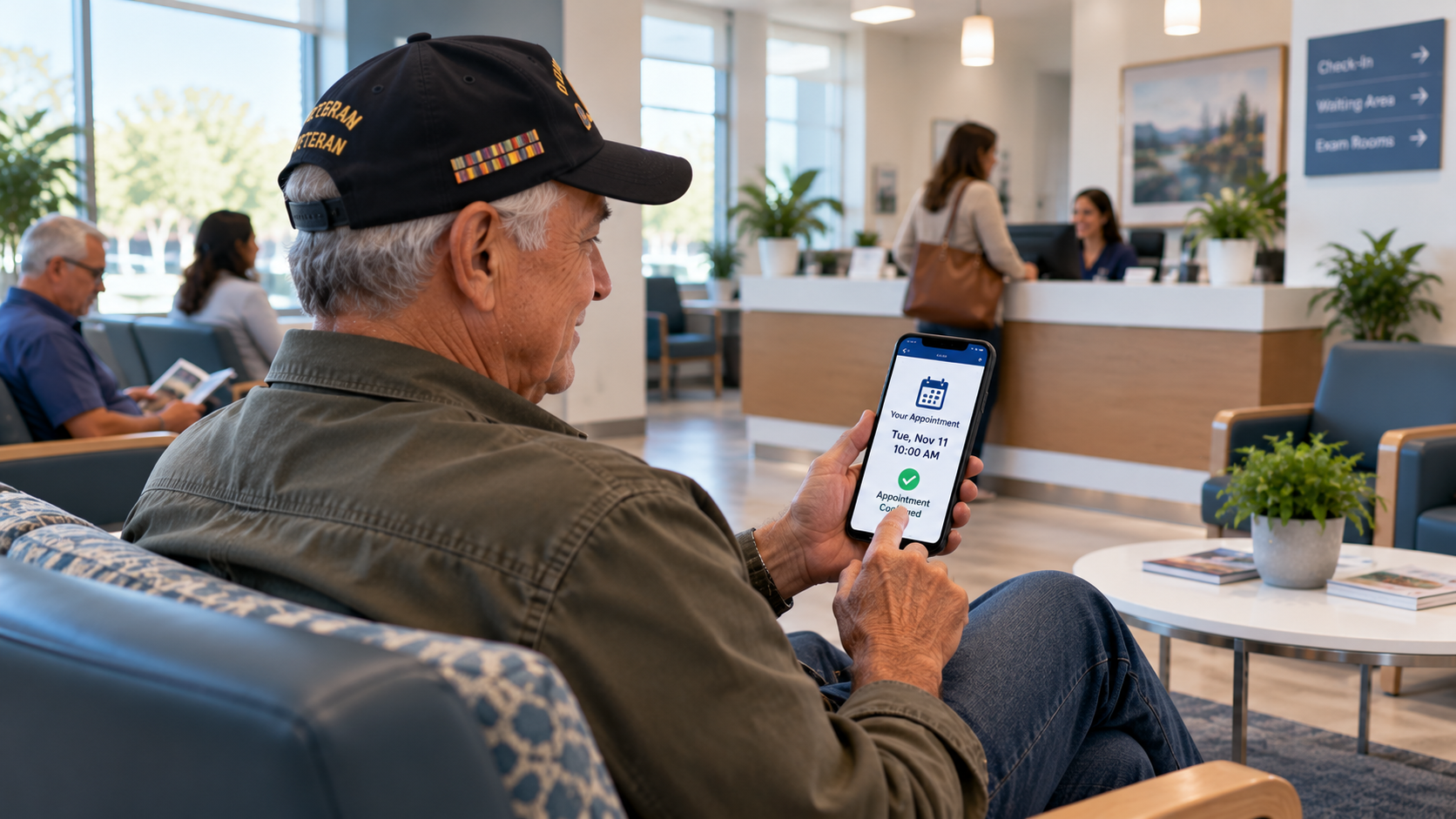
People often manage multiple responsibilities alongside healthcare appointments. A reminder can help them keep track of a scheduled visit, while a timely follow-up message can clarify the next step.
Automated appointment reminders do not guarantee attendance or replace personal follow-up when needed. They can, however, support more consistent communication and reduce the need for staff to contact every patient manually.
4. Community Healthcare Providers Make Everyday Services Easier to Access
Local pharmacies and independent practices often provide convenient access to routine services and information. Their teams may answer questions, coordinate appointments, support prescription-related workflows, and help patients navigate available services.
Clear phone options, organized messaging, accurate business listings, and convenient scheduling can make these interactions easier. The goal is not simply to introduce more technology; it is to remove avoidable friction from everyday healthcare experiences.
Read more: Reducing No-Shows With Automated Reminders Read more: Online Scheduling Reduces Pharmacy No-Shows Read more: Automated Patient Reminders Read more: Patient Experience Begins Before the VisitHealthcare teams want to deliver attentive service, but daily operations can make consistent communication difficult. These challenges affect many patients, including veterans, caregivers, and others who depend on reliable information and convenient access.
1. High Volumes of Phone Calls
Staff may receive repeated calls about office hours, appointment availability, preparation instructions, prescription-related questions, and general services. When every call requires manual handling, staff can struggle to balance telephone inquiries with patients who are already on-site.
Missed calls can also create additional work when staff need to return messages or follow up later.
2. Manual Scheduling and Follow-Ups
When staff manage every appointment request, confirmation, and reminder individually, the workload can grow quickly. Patients may have difficulty reaching the practice during busy periods, while employees have less time for questions that require personal attention.
3. Paperwork and Repeated Information Collection
Paper forms and manual intake processes can create extra steps before an appointment. Staff may need to distribute documents, check completion, and organize records, while patients may prefer to complete suitable forms in advance.
Digital forms can simplify selected processes when configured to meet the practice’s privacy and operational requirements.
4. Disconnected Communication Systems
Some organizations use separate tools for phone calls, text messages, scheduling, reminders, reviews, and marketing. Moving between systems can create fragmented workflows and make routine tasks harder to track.
Connected or coordinated tools can reduce unnecessary switching, although providers should confirm which systems integrate and which processes still require manual work.
5. Limited Time for Personalized Support
When administrative responsibilities consume much of the day, staff may have less time to answer individual questions, explain next steps, or help patients understand how to access services.
Technology can assist with routine tasks, but meaningful care still depends on listening, professional judgment, empathy, and appropriate human support.
Finerr is a patient engagement platform for independent healthcare providers. Its services help organizations coordinate routine communication and selected administrative workflows. The specific combination of services depends on each provider’s needs and configuration.
1. Cloud Phone System and IVR
Finerr's cloud phone system and IVR capabilities help businesses organize incoming calls and guide callers through appropriate options. Call routing and voicemail workflows can help patients reach the right destination or leave a message when staff are unavailable.
For pharmacies and medical practices, a well-organized phone system can make common inquiries easier to manage. Providers should keep phone menus simple, offer clear instructions, and ensure callers have an appropriate way to reach a person when necessary.
2. Automated Appointment Reminders
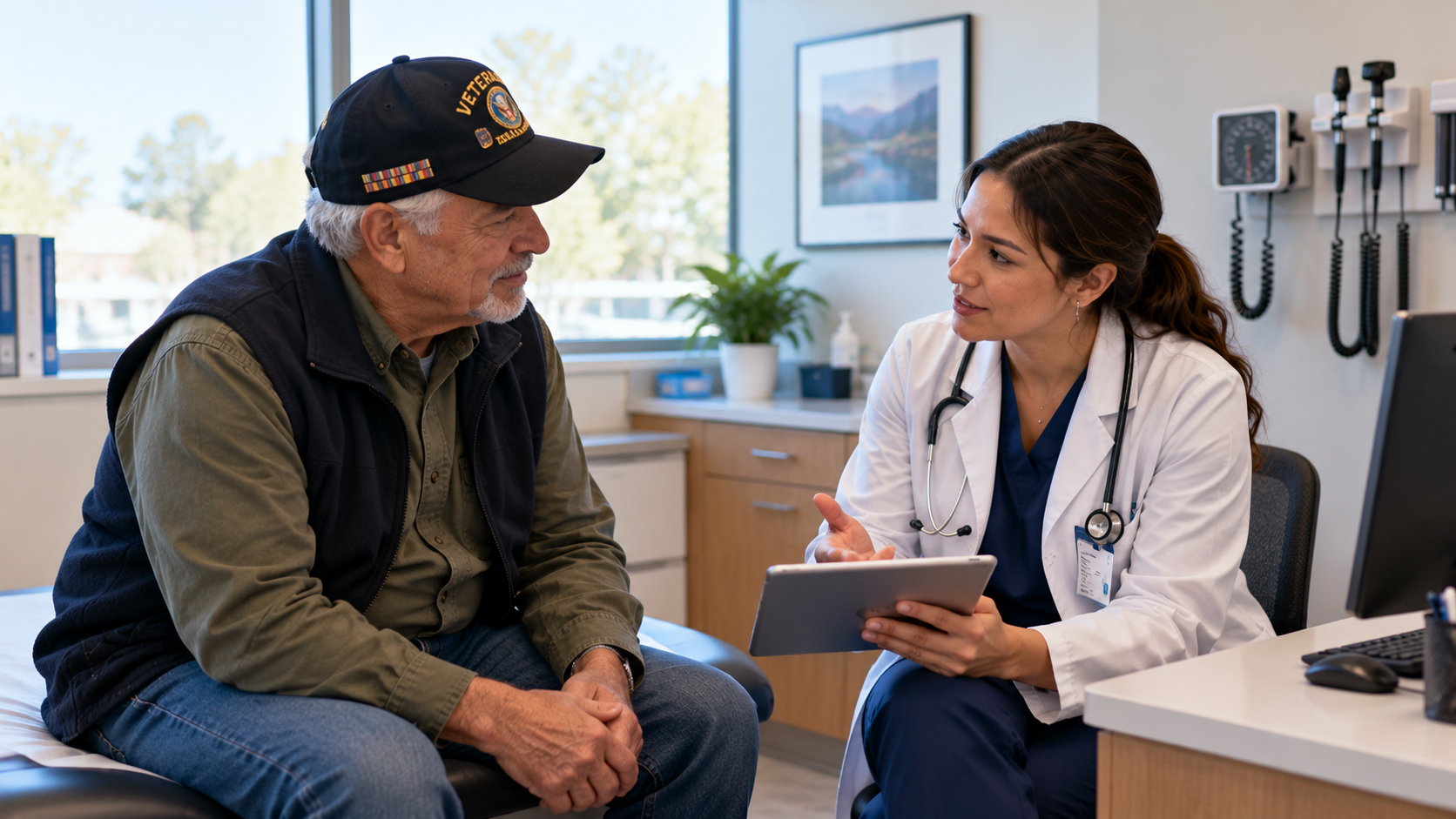
Automated reminders can help healthcare teams send routine appointment notifications through configured channels, such as text messages, email, or voice communication where available.
These reminders can support patient organization while reducing the need for staff to initiate every notification manually. Providers should ensure that messages are accurate, appropriately timed, and consistent with patient communication preferences and applicable requirements.
3. Online Scheduling
Online scheduling gives patients another way to arrange appointments without relying entirely on telephone calls. Depending on the provider's services, it can support a more convenient booking experience and reduce routine scheduling back-and-forth.
Clear instructions, accurate availability, and accessible alternatives remain important for people who prefer or need assistance with booking.
4. Two-Way Patient Text Messaging
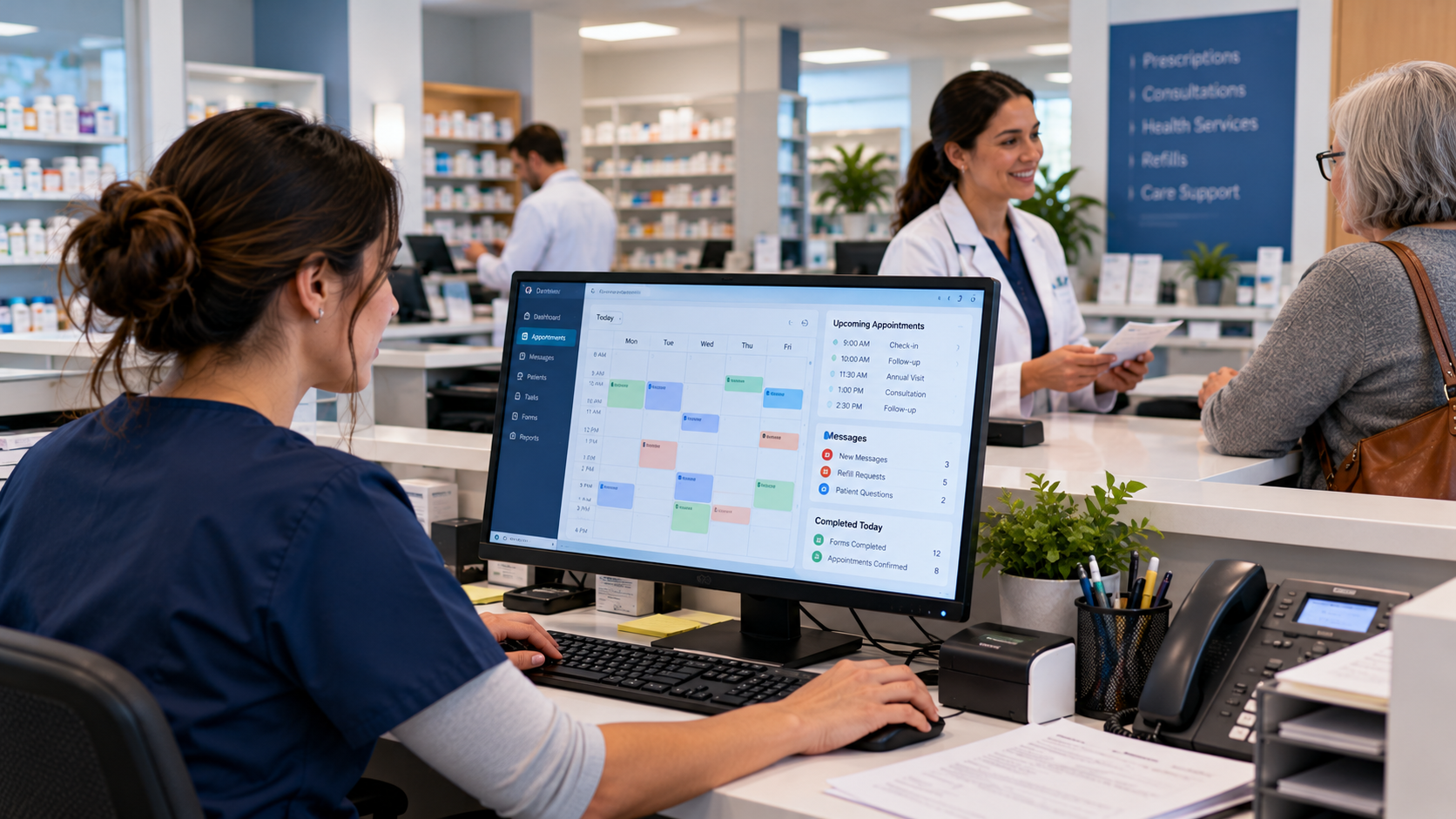
Two-way texting provides an additional channel for appropriate questions, appointment coordination, and follow-up communication. Patients may find it convenient to send a routine message instead of waiting on hold for every inquiry.
Healthcare providers should use messaging according to their privacy and security policies. Sensitive information should only be communicated through channels approved for that purpose.
5. Digital Patient Forms
Digital forms allow practices to move selected intake and administrative documents online. Where appropriate, patients can complete forms before a visit, helping staff organize the check-in process.
Forms should be easy to understand, accessible to the intended audience, and configured to handle personal information appropriately.
6. Online Patient Payments
Online payment options can provide another way for patients to handle eligible transactions. A clear payment process can reduce some administrative back-and-forth and make payment steps more convenient.
Providers should explain charges and payment options clearly and confirm that their payment workflows meet applicable requirements.
7. Reviews and Business Listing Management
Accurate business listings help people find correct contact details, hours, services, and locations. Review management helps healthcare businesses organize feedback and respond appropriately to patient experiences.
For veterans and other community members searching for local services, accurate information can make it easier to understand what a provider offers and how to contact the organization.
8. Email Marketing and Patient Communication Campaigns
Email campaigns can help healthcare providers share service updates, educational content, announcements, and other relevant information with appropriate audiences.
Well-organized campaigns can reduce the effort required to prepare every message individually. Communications should remain accurate, useful, and consistent with consent and applicable email marketing rules.
9. Patient Mobile App and Refill Request Workflows
Finerr's mobile app services support selected digital interactions between healthcare businesses and their patients. Depending on the available configuration, these may include appointment-related communication and prescription refill requests.
For pharmacies, a digital refill-request option can give patients another way to submit a request. It does not replace the pharmacy's review, authorization, or dispensing procedures.
10. Website Development, SEO, and Social Media Management
A clear website and accurate online presence help people learn about a provider's services, location, hours, and contact options. Finerr offers website development and management, SEO support, social media management, and Google Business Profile management.
These services can help healthcare organizations present useful information online and maintain a consistent digital presence. Providers should ensure that claims about services, accessibility, insurance, and eligibility are accurate.
11. Digital Fax, Voicemail, and Employee Time Management
Finerr also offers digital fax services, voicemail options, and employee time-management capabilities. These tools can support selected administrative workflows and help organizations organize communication and staff-related processes.
The benefits depend on each organization's existing systems, procedures, and requirements. Before implementing a tool, providers should identify the problem they want to solve and confirm that the solution fits their workflow.
Healthcare technology is only one part of a welcoming patient experience. Organizations can take practical steps to recognize veterans and improve the way they serve their communities.
Listen respectfully: Avoid assumptions about a veteran’s experiences, health, or needs. Ask what assistance would be helpful.
Provide clear information: Make service details, contact options, hours, and appointment instructions easy to find.
Offer appropriate communication choices: Where possible, provide phone and digital options rather than relying on a single channel.
Make accessibility a priority: Consider people who may need assistance with forms, online booking, language, or communication.
Respect privacy: Do not request or disclose sensitive personal or military information unless there is a legitimate, appropriate reason.
Share verified resources: When someone asks for veterans’ benefits or specialized care information, direct them to official sources or qualified organizations rather than guessing.
Recognize the whole community: Veterans, families, caregivers, and healthcare workers all contribute to stronger communities in different ways.
These actions do not require a business to provide specialized veterans’ services. They demonstrate a commitment to treating people with dignity and making routine interactions easier.
Finerr's pharmacy case studies provide examples of its work with independent pharmacies. They are useful references for healthcare businesses exploring patient engagement and operational workflows. They should not be interpreted as veteran-specific programs or as evidence of guaranteed outcomes for every provider.
Ocean Pharmacy Case Study TopValue Pharmacy Case Study Westside Pharmacy Case Study Zarchy Pharmacy Case Study Carteret Pharmacy Case StudyRead each case study for the specific challenges, Finerr services, and outcomes described on that page. Before using any figures in marketing materials, verify them against the original case study.
Veterans Day is a time to pause, reflect, and express gratitude to those who have served. The meaning of that recognition can continue throughout the year through respectful interactions, accurate information, accessible services, and thoughtful community support.
Healthcare providers can contribute by making routine processes clearer and easier to navigate. Finerr helps independent healthcare businesses organize selected communication and administrative workflows through patient engagement technology, reminders, scheduling, messaging, digital forms, and related services.
These tools do not replace specialized veterans’ healthcare, benefits guidance, or human compassion. They can, however, support the everyday work of healthcare teams serving diverse communities.
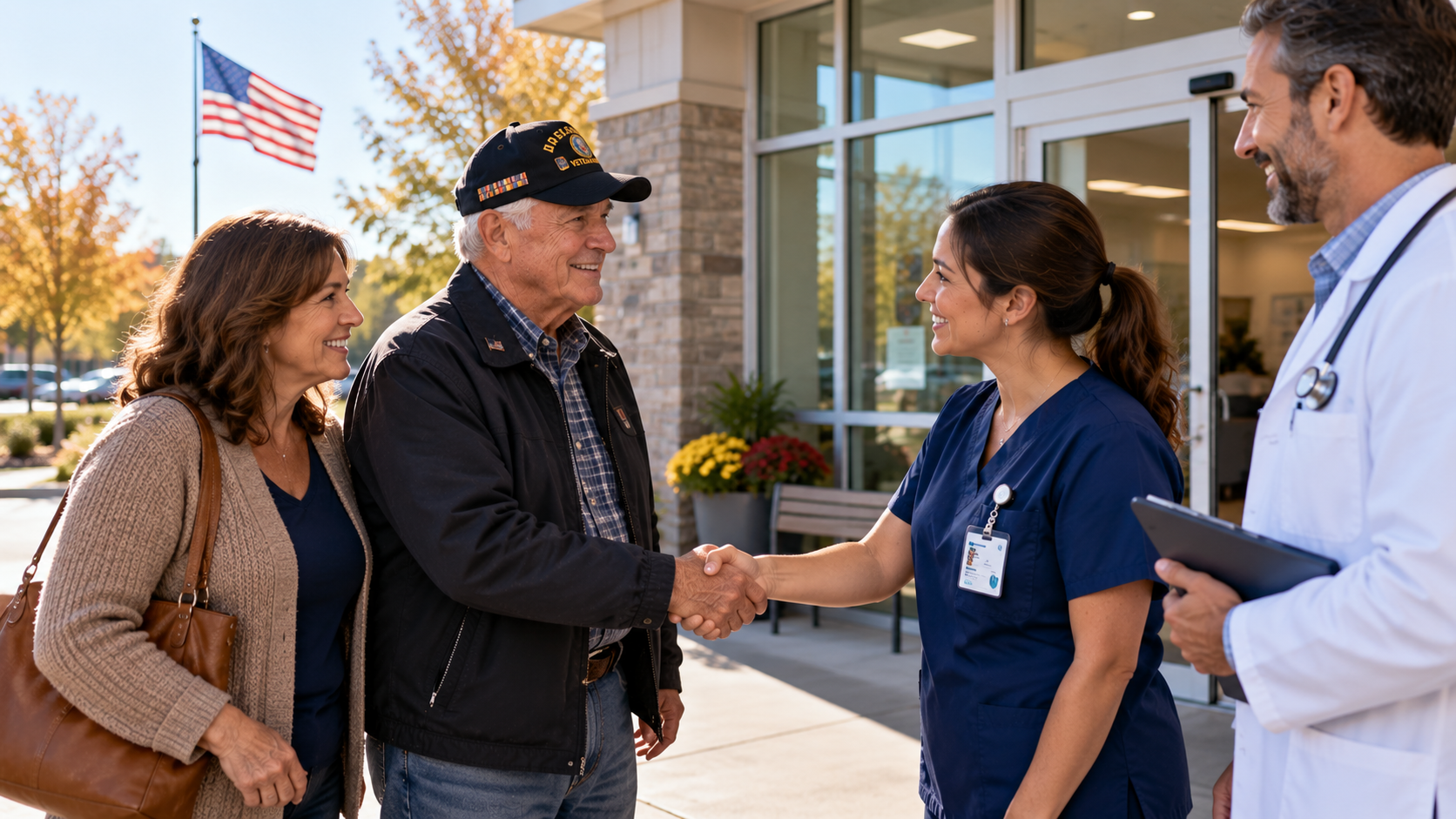
This November 11, let us recognize the courage and commitment of veterans—and continue building communities where every person is treated with dignity and care.
Happy Veterans Day. Thank you to all who have served.


Veterans Day is an opportunity to honor the courage, dedication, and service of American veterans while recognizing the importance of respectful, accessible healthcare. Clear communication, convenient scheduling, timely reminders, and accurate service information can make routine healthcare interactions easier for veterans and their families. However, high call volumes, manual follow-ups, paperwork, and disconnected systems can challenge healthcare teams. Finerr helps independent healthcare providers organize patient communication and selected administrative workflows through cloud phone systems, automated reminders, online scheduling, two-way texting, digital forms, online payments, reviews management, mobile app services, and digital presence support. This Veterans Day, let us honor those who served.
Get in Touch


Veterans Day is observed in the United States on November 11 each year. It honors military veterans who have served in the U.S. Armed Forces. The day recognizes their service, dedication, and contributions to the country.
Healthcare organizations can share respectful messages of appreciation, recognize veterans in their communities, and promote verified resources where appropriate. They can also review whether their services and communication channels are easy to understand and access. Recognition should be genuine and avoid assumptions about individual experiences.
Veterans have different healthcare needs, circumstances, and preferences. Clear information and convenient access to routine services can help make healthcare interactions easier to navigate. People who need specialized veteran services should be directed to appropriate qualified providers or official resources.
Providers can use clear language, explain next steps, offer appropriate communication options, and listen to individual preferences. Accurate appointment details and timely reminders can also help patients stay informed. Communication should respect privacy and avoid assumptions about a person's military service or healthcare needs.
Patients may experience difficulty scheduling appointments, reaching a practice by phone, completing paperwork, or understanding follow-up instructions. Work, transportation, caregiving, and other responsibilities may add further complications. Clear processes and suitable digital options can reduce some avoidable barriers.
Automated appointment reminders can provide timely information about scheduled visits through configured communication channels. They may help patients organize their schedules and reduce the need for staff to make every reminder call manually. Reminders complement rather than replace personalized communication when it is needed.
A patient engagement platform helps healthcare providers manage selected patient communication and interaction workflows. Depending on the platform, features may include appointment reminders, scheduling, texting, forms, and review management. Finerr offers these types of services to support independent healthcare providers.
Online scheduling provides patients with an alternative to calling a practice for every appointment request. It can make booking more convenient when availability and instructions are accurate. Providers should also retain suitable options for patients who need assistance or prefer to schedule by phone.
A cloud phone system can help organize incoming calls through features such as IVR, call routing, and voicemail. These workflows may make it easier for patients to find the right contact option. Practices should keep menus clear and provide appropriate ways to request human assistance.
Two-way texting allows healthcare teams and patients to exchange appropriate messages about routine questions, appointments, and follow-ups. It offers an alternative to phone calls for selected interactions. Providers should follow applicable privacy and security requirements when communicating through text messages.
Digital forms can allow patients to complete selected paperwork before an appointment. This may reduce paper handling and help staff organize intake processes. Forms should be accessible, easy to understand, and configured to protect personal information appropriately.
Independent pharmacies can provide clear information about their services, hours, contact options, and available pharmacy services. Staff can communicate respectfully and direct people to verified resources when questions fall outside the pharmacy's role. They should not make unsupported claims about veterans' benefits or specialized care.
Businesses can maintain accurate websites, business listings, hours, phone numbers, and service descriptions. Search engine optimization and review management can help people discover and evaluate local providers. Information about veteran-specific services should only be published when it is accurate and verified.
Finerr provides services including automated reminders, online scheduling, cloud phone systems, two-way texting, digital forms, online payments, and reviews management. Its broader offerings include email marketing, mobile app services, website management, digital fax, voicemail, and employee time management. Providers can explore the services relevant to their workflows.
Finerr is a patient engagement and digital services provider, not a veterans' benefits organization or a specialized veterans' healthcare provider. Its tools support participating healthcare businesses with communication and administrative workflows. For benefits eligibility or specialized veteran care, consult official VA resources or qualified providers.
Email campaigns can share relevant service updates, educational information, announcements, and reminders with appropriate audiences. Reusable campaign workflows can reduce the work involved in preparing every message individually. Providers should follow applicable consent, privacy, and email marketing requirements.
Accurate information helps people confirm a provider's location, operating hours, contact details, and available services. Incorrect information can cause confusion and unnecessary calls or visits. Regularly updating websites and business listings helps patients make informed decisions about contacting a practice.
Providers should use approved systems, restrict access to personal information, and establish clear policies for communication and data handling. They should verify a tool's security and compliance capabilities rather than assuming all digital services meet every requirement. Sensitive information should only be shared through appropriate channels.
Organizations can track relevant indicators such as response times, missed calls, appointment scheduling workload, reminder completion, and patient feedback. Comparing these measures over time can help identify whether changes are useful. Results should be interpreted alongside patient experience and service quality.
A suitable message can express gratitude for veterans' courage, dedication, and service without making assumptions about their experiences. For example: “Today we recognize veterans whose dedication and service continue to inspire our communities. Thank you for your courage and commitment. Happy Veterans Day.” Keep the message sincere, respectful, and inclusive.
Discover how Finerr helps independent healthcare providers organize patient communication, scheduling, and everyday workflows.