.png?v=1778754631)
Jimmish Sheth | May 18, 2026
Pharmacy patient expectations have changed dramatically in recent years. Convenience is no longer a bonus—it's the baseline. Patients today compare their pharmacy experience to everything else in their digital lives. From banking apps to food delivery platforms, every interaction they have outside healthcare is fast, seamless, and available on demand.
This shift has redefined what patients expect from pharmacies. Waiting on hold, calling multiple times for updates, or dealing with unclear processes is no longer acceptable. Even if the clinical care is excellent, a poor communication experience can make the entire interaction feel frustrating and outdated.
Patients no longer tolerate inefficiency the way they once did. When convenience is missing, frustration builds quickly—and patients begin to disengage. For pharmacies, this creates a clear challenge: adapt to modern expectations or risk losing patients to more accessible, digitally enabled competitors. Platforms like Finerr streamline communication, automate workflows, and improve access so pharmacies can deliver the convenience patients expect—without increasing workload.
Convenience isn’t about speed alone. It’s about effort.
Patients expect:
When patients have to work to get answers, they feel undervalued. Convenience reduces friction and builds confidence.
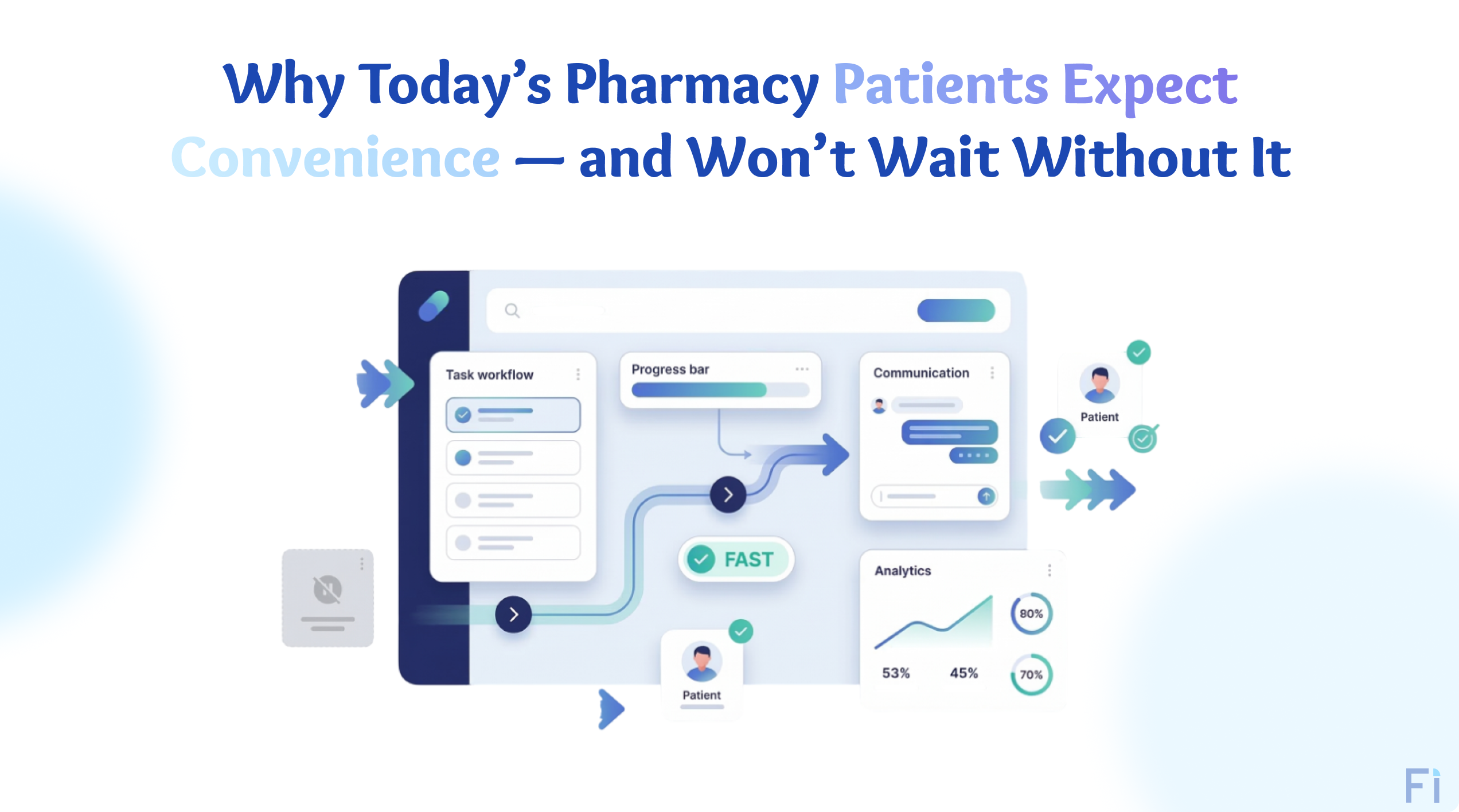
Finerr is built as a complete patient engagement platform designed to remove friction across every patient interaction. Instead of relying on multiple disconnected tools, pharmacies can manage everything from one unified system.
Core Finerr Services
These tools work together to create a seamless, consistent experience that improves both efficiency and patient satisfaction.
Despite delivering strong clinical care, many pharmacies struggle to meet modern convenience expectations. The issue isn’t quality—it’s experience.
Patients still rely heavily on phone calls for basic requests like refill status or appointment confirmations. This leads to long hold times, missed calls, and frustrated patients. Waiting is now seen as inefficiency, not necessity.
Many pharmacies still depend on staff to answer every call, send reminders manually, and handle repetitive questions. This creates delays and inconsistency.
Patients today expect to book appointments online, request refills digitally, and get updates without calling. When these options aren’t available, patients feel inconvenienced.
Using multiple tools for communication, scheduling, and workflows leads to missed messages, duplicate work, and confusion for staff and patients.
Read more: Disconnected SystemsWhen patients don’t receive timely updates, they start to lose confidence. Questions like “Is my prescription ready?” or “Did they get my request?” create unnecessary anxiety.
Pharmacy patients today don’t measure convenience the way they used to. They compare their pharmacy experience to banking apps, food delivery, and online shopping. Waiting on hold, calling back repeatedly, or chasing updates now feels unnecessary. When convenience is missing, frustration builds quickly—and pharmacies that fail to adapt don’t just lose efficiency, they lose patients.
Waiting used to be tolerated. Today, it’s interpreted as inefficiency. Long hold times, unanswered calls, or delayed responses signal outdated systems—even when clinical care is excellent.

A modern cloud phone system for pharmacy communication replaces traditional call handling with smarter routing and automation.
Patients get answers quickly, and staff regain focus—convenience improves on both sides.
An IVR cloud phone system guides patients through simple choices instead of forcing them to wait on hold. Patients get faster access to common information and clear directions; pharmacies get fewer interruptions and more predictable workflows. A healthcare IVR cloud phone system delivers convenience without sacrificing care quality.
A virtual phone system for patient engagement ensures patients are acknowledged during peak hours or after closing. Missed calls often lead to frustration and repeat dialing. Virtual systems reduce that by confirming requests, offering self-service options, and reducing repeat calls—feeling heard matters as much as being helped.
Manual scheduling doesn’t scale—and patients know it. Pharmacy online scheduling software lets patients book without calling.

Many patient calls exist only to confirm appointments. Automated appointment reminders eliminate that uncertainty. With patient reminder software, pharmacies can confirm visits proactively, reduce no-shows, and eliminate reminder calls.
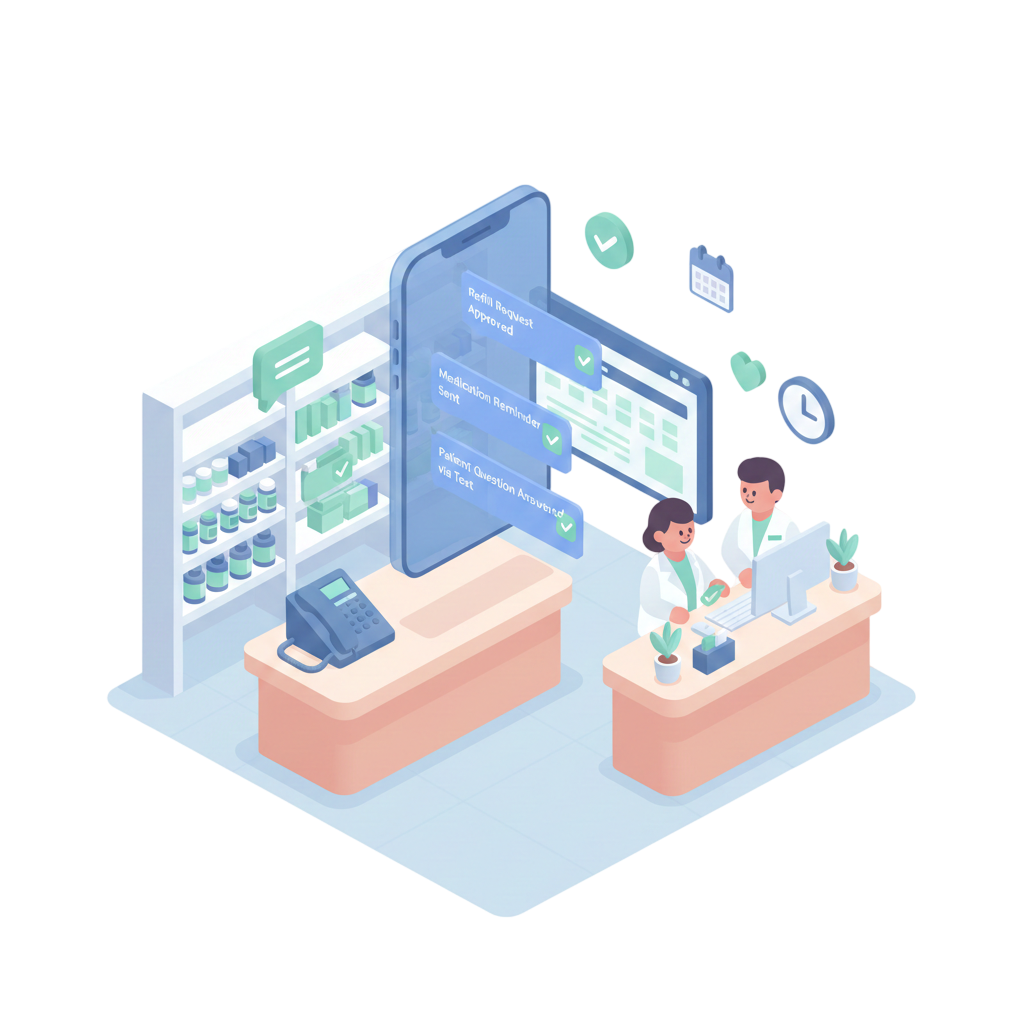
Read more: Reducing No-Shows With Automated RemindersPhone calls interrupt workflows; text messages don't. Patient text messaging software and healthcare texting solutions enable quick updates without forcing patients to call. Automated SMS for patient engagement is becoming standard-it matches preferences, reduces call dependency, and improves response speed.
Read more: Fewer Calls, Smoother DaysRefill requests are one of the most common reasons patients call—and one of the easiest to automate. Refill request via website or refill request via voicemail lets patients submit on their time: fewer calls, faster processing, less frustration.
Finerr transforms pharmacy operations by replacing reactive workflows with proactive, automated systems.
1. Cloud phone system reduces waiting — Intelligent routing, routine automation, and fewer interruptions so patients get answers faster.
2. IVR enables self-service — Check refill status, get store information, and reach the right department without waiting in a single queue.
3. Online scheduling reduces phone dependency — Patients book anytime; staff spend less time on scheduling calls.
4. Automated reminders reduce uncertainty — Appointment confirmations, refill alerts, and follow-ups reduce no-shows and “did you get my message?” calls.
5. Text messaging improves speed — Faster responses, less call volume, better engagement.
6. Refill automation saves time — Website- and voicemail-based workflows process common requests efficiently.
7. Unified platform reduces fragmentation — One place for communication, scheduling, and engagement instead of juggling disconnected tools.
Read more: Fewer Calls, Smoother DaysPharmacies that adopt modern systems like Finerr typically experience:
Convenience isn’t just about speed—it’s about reducing effort.
Real-world implementations show how improving convenience directly impacts patient engagement and loyalty.
Explore case studies: Finerr case studiesWhen interactions are easy, patients feel respected, trust increases, and loyalty strengthens. When interactions are difficult, frustration builds, engagement drops, and patients switch providers.
Explore case studies: Finerr case studiesWhen communication is easy and updates are timely, patients feel respected. Convenience reduces effort, builds trust through reliability, and encourages repeat engagement—patients stay where things feel simple.
Finerr helps pharmacies meet modern expectations without adding complexity by unifying communication and access tools across the patient journey—cloud phone, healthcare IVR, online scheduling, automated reminders, patient text messaging, and refill workflows—so convenience is consistent, not occasional.
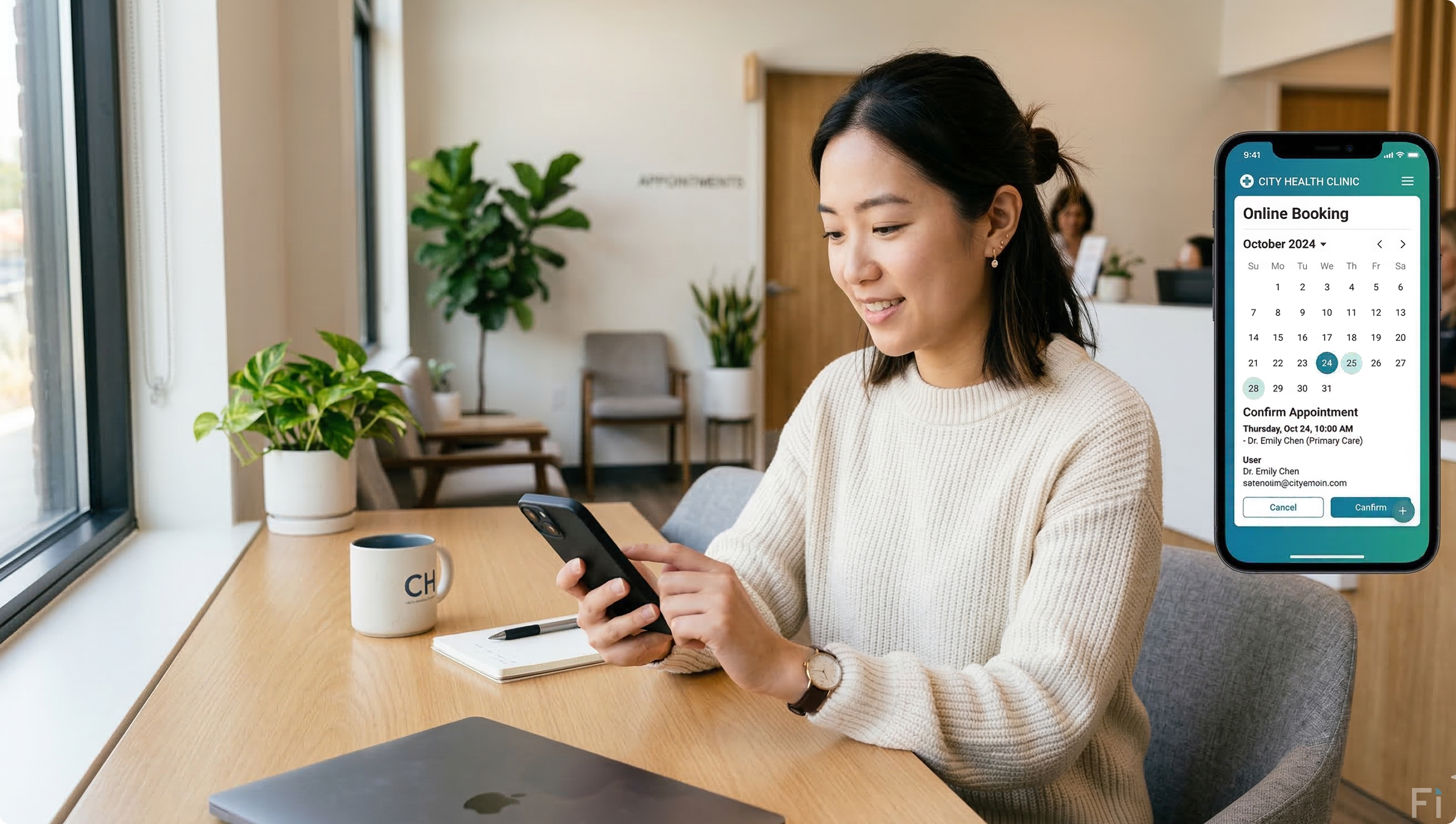
Pharmacy care is becoming more digital, and expectations will continue to rise. Patients will increasingly expect instant communication, self-service options, and seamless digital experiences. Pharmacies that adapt improve efficiency, build stronger relationships, and stay competitive; those that don’t risk falling behind.
Today’s pharmacy patients won’t wait for convenience—they expect it. Convenience is no longer optional; it’s the foundation of modern patient experience. Pharmacies that reduce friction, automate communication, and offer flexible access don’t just operate better—they create experiences patients trust and return to. With Finerr, convenience becomes consistent, scalable, and effortless.
👉 Ready to deliver modern convenience in your pharmacy? Explore Finerr: Patient Engagement Platform


Pharmacy patients today expect convenience as a standard, not a bonus. Long wait times, repeated calls, and unclear communication quickly lead to frustration and disengagement. Even with strong clinical care, poor digital experiences can reduce patient trust and loyalty. Finerr helps pharmacies solve these challenges by automating communication, enabling online scheduling, and offering self-service options like refill requests and messaging. By reducing friction and improving access, pharmacies can deliver faster, clearer, and more reliable interactions. The result is improved patient satisfaction, stronger loyalty, and more efficient operations in an increasingly digital healthcare environment.
Get in Touch




Patients are used to fast, digital experiences in every part of life. Long waits and repeated calls feel outdated. Convenience now signals professionalism and respect for time.
Convenience means easy access to information, fewer phone calls, and proactive updates. Patients want self-service options and clear communication without effort.
Waiting now feels unnecessary when faster alternatives exist. Long hold times and delayed responses create frustration. Patients quickly associate waiting with inefficiency.
Waiting creates uncertainty and anxiety. Patients may assume something is wrong or being ignored. Over time, trust erodes quietly.
Most calls happen because information isn't delivered proactively. Refill status, appointment confirmations, and updates drive call volume. Automation reduces this need.
A cloud phone system routes calls intelligently and handles routine requests automatically. Patients get faster answers without waiting on hold.
An IVR cloud phone system guides callers through automated options. It reduces call congestion while ensuring every caller is acknowledged.
Modern IVR systems are simple and intuitive. When designed well, they reduce waiting and improve clarity instead of causing frustration.
It manages high call volume during peak times. Routine inquiries are handled automatically, freeing staff to focus on patient care.
A virtual phone system ensures patients are acknowledged even after hours. It reduces missed calls and repeat dialing.
Patients prefer scheduling without calling. Pharmacy online scheduling software lets them book appointments easily and independently.
When patients book digitally, staff no longer handle manual scheduling calls. This saves time and reduces interruptions.
Automated appointment reminders notify patients via SMS or email. They confirm visits without requiring phone calls.
Yes. Patients feel reassured and informed. Reminders prevent missed appointments and reduce follow-up calls.
Text messages are quick, non-disruptive, and easy to respond to. Patient text messaging software fits modern communication habits.
Automated SMS sends updates without staff involvement. It reduces call dependency and keeps patients informed proactively.
Patients often call to check refill status or submit requests. Without automation, this creates unnecessary phone traffic.
These options allow patients to submit requests anytime. Requests are processed faster and with fewer errors.
Yes. Patients stay where interactions feel easy and predictable. Convenience builds trust and repeat engagement.
Finerr combines phone systems, IVR, scheduling, reminders, texting, and refill workflows. This creates a smooth, low-effort patient experience.
See how Finerr's cloud phone system, IVR, online scheduling, automated reminders, and text messaging help your pharmacy reduce wait times and deliver a smoother, more modern patient experience.