Jayesh Sarawagi | November 6, 2026
Healthcare professionals dedicate their time to helping patients, answering questions, coordinating appointments, and delivering quality care. However, much of a typical workday can be consumed by repetitive administrative tasks, including answering routine phone calls, confirming appointments, sending reminders, managing paperwork, collecting payments, and following up with patients.
These responsibilities are important, but managing them manually can leave healthcare teams with less time for meaningful patient interactions. When communication is scattered across multiple tools and routine tasks require constant staff attention, even a well-organized practice can experience unnecessary delays and interruptions.
Did you know that reducing repetitive administrative work can create more opportunities for healthcare teams to focus on patients?
By using the right digital tools, healthcare providers can simplify daily workflows, improve patient communication, and make routine processes easier to manage. Automation does not replace the human side of healthcare. Instead, it helps teams protect more time for conversations, education, follow-ups, and personalized service.
Finerr is a patient engagement platform built for independent healthcare providers. It helps practices streamline patient communication, automate repetitive tasks, and strengthen their online presence through a connected set of healthcare services.
The goal is simple: Simplicity creates better care.
Healthcare teams often experience administrative challenges that gradually affect staff productivity and the patient experience. Although individual tasks may seem small, managing them repeatedly throughout the day can create a significant workload.

1. Repetitive Phone Calls Interrupt Daily Work
Patients frequently call to ask about business hours, appointment availability, prescription refills, service details, and follow-up instructions. Staff members must respond while also assisting patients in person and completing other responsibilities.
When phone lines remain busy, calls may go unanswered, patients may experience delays, and employees can struggle to manage competing priorities.
2. Manual Appointment Management Takes Time
Scheduling appointments, confirming bookings, handling cancellations, and rescheduling visits can require substantial administrative effort. Staff may spend considerable time coordinating calendars instead of assisting patients with their immediate needs.
Without convenient self-scheduling options and consistent reminders, patients may also forget appointments or have difficulty finding available times.
3. Patient Follow-Ups Can Be Inconsistent
Healthcare practices need to maintain communication before and after appointments. Patients may need reminders, follow-up information, service updates, or notifications about upcoming visits.
When follow-ups depend entirely on manual calls and messages, busy teams may struggle to maintain consistency. Important communication can be delayed when workloads increase.
4. Paperwork Creates Additional Administrative Work
Patient intake forms, consent documents, and other administrative records can slow down check-in and require repeated data handling. Paper-based processes may also create extra work when documents are incomplete or patients need to correct information.
Digital forms can make it easier for patients to submit information and help staff reduce avoidable administrative steps.
5. Disconnected Tools Make Workflows More Complicated
Some healthcare practices use separate tools for scheduling, phone calls, messaging, reminders, payments, and review management. Moving between different systems can make daily tasks more complicated and create fragmented communication.
A connected patient engagement platform can help simplify these workflows, although the exact integration and functionality available will depend on the systems a practice uses.
6. Staff Have Limited Time for Meaningful Patient Engagement
Patient engagement involves more than sending reminders. It includes answering questions, explaining services, encouraging appropriate follow-ups, collecting feedback, and maintaining relationships.
When employees spend most of their time on repetitive tasks, these valuable interactions can receive less attention. Healthcare practices need practical ways to reduce administrative friction without losing the personal touch that patients value.
Read more: Patient Experience Begins Before the Visit Read more: Why Simplicity Wins in Modern Healthcare Read more: Online Scheduling Platform: Healthcare Guide Read more: Why Digital Forms Are Transforming Healthcare Workflows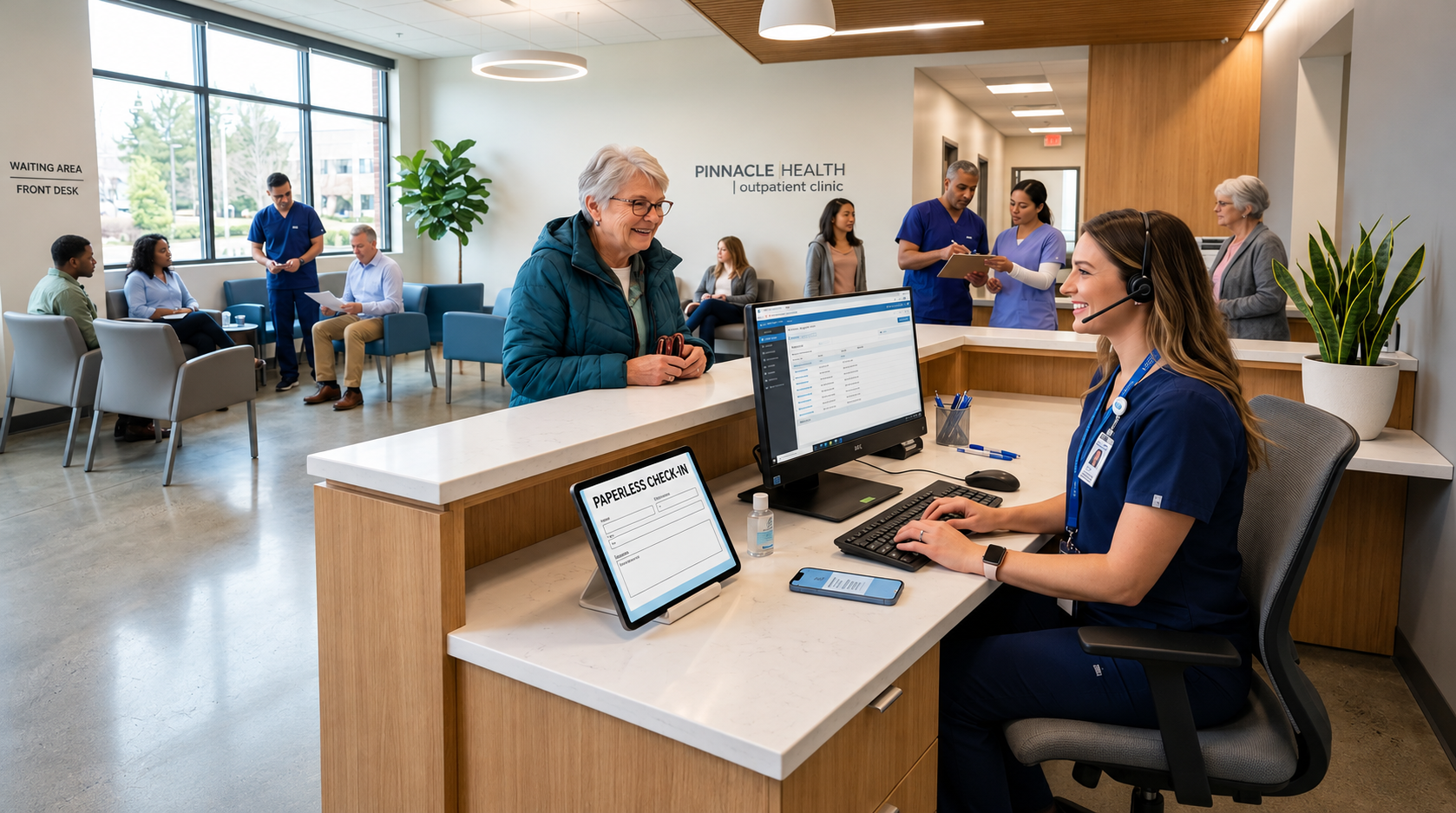
Finerr brings together services that help independent healthcare providers manage patient communication, appointments, routine administrative activities, and digital visibility.
Its services can support pharmacies, clinics, medical spas, physical therapy practices, dental offices, and veterinary practices, depending on their needs and workflows.
1. Automated Patient Reminders
Automated patient reminders help practices send appointment notifications and follow-up messages through supported communication channels, including SMS, email, and voice.
Instead of relying entirely on staff to contact every patient manually, practices can use reminders to maintain consistent communication and help patients remember scheduled visits.
2. Online Scheduling
Online scheduling allows patients to request or book appointments through available digital booking options without always needing to call the front desk.
It can reduce scheduling-related interruptions, make appointment access more convenient, and help practices manage bookings more efficiently.
3. Two-Way Patient Text Messaging
Two-way texting gives healthcare teams another way to communicate with patients. Depending on the workflow, it can support appointment confirmations, responses to routine questions, service updates, and follow-up communication.
It can also reduce the need for some back-and-forth phone calls while giving patients a convenient communication option.
4. Cloud Phone System and IVR
Finerr's cloud phone system and Interactive Voice Response (IVR) capabilities help practices organize incoming calls and direct callers through configured phone workflows.
Features such as call routing, voicemail, and business communication tools can help teams manage incoming inquiries more systematically and reduce avoidable interruptions.
5. Digital Patient Forms
Digital forms help practices collect patient information electronically rather than relying exclusively on paper documents.
Depending on the configured workflow, patients can complete forms before arriving, helping staff prepare for visits and reducing paperwork at check-in. Practices should confirm that their selected form workflows meet their privacy and compliance requirements.
6. Online Patient Payments
Online payment options give patients a convenient way to handle supported payments digitally. This can reduce some manual payment coordination and make the payment process easier to manage.
The specific payment methods, integrations, and compliance responsibilities should be confirmed with the provider before implementation.
7. Reviews and Listing Management
Online reviews influence how prospective patients discover and evaluate healthcare providers. Finerr's reviews and listing management services help practices manage their online reputation and business information.
More organized review workflows can reduce manual follow-up and help healthcare businesses maintain a consistent online presence.
8. Email Marketing and Patient Campaigns
Healthcare email marketing can support newsletters, practice announcements, educational information, service updates, and appropriate follow-up campaigns.
With organized campaigns, practices can maintain communication with patients without having to create and send every message individually. Messaging should follow applicable consent, privacy, and communication requirements.
9. Patient Mobile App
A healthcare mobile application can provide patients with a convenient digital connection to their provider. Depending on the services enabled, the Finerr patient app supports workflows such as appointment-related communication and prescription refill requests.
A mobile access point can make it easier for patients to interact with a practice and find supported services.
10. Healthcare Websites and Digital Marketing
A clear, informative website helps patients find business information, understand available services, and access supported online actions such as appointment booking or refill requests.
Finerr also offers healthcare website development and management, search engine optimization, Google Business Profile management, and social media management. These services help practices strengthen their digital presence and make it easier for patients to discover them.
11. Additional Workflow Support
Depending on the practice's requirements and configured services, Finerr also supports workflows involving digital fax, patient and provider voicemail, employee time management, and refill requests.
Together, these capabilities can help independent healthcare providers reduce operational complexity and organize more of their daily activities.
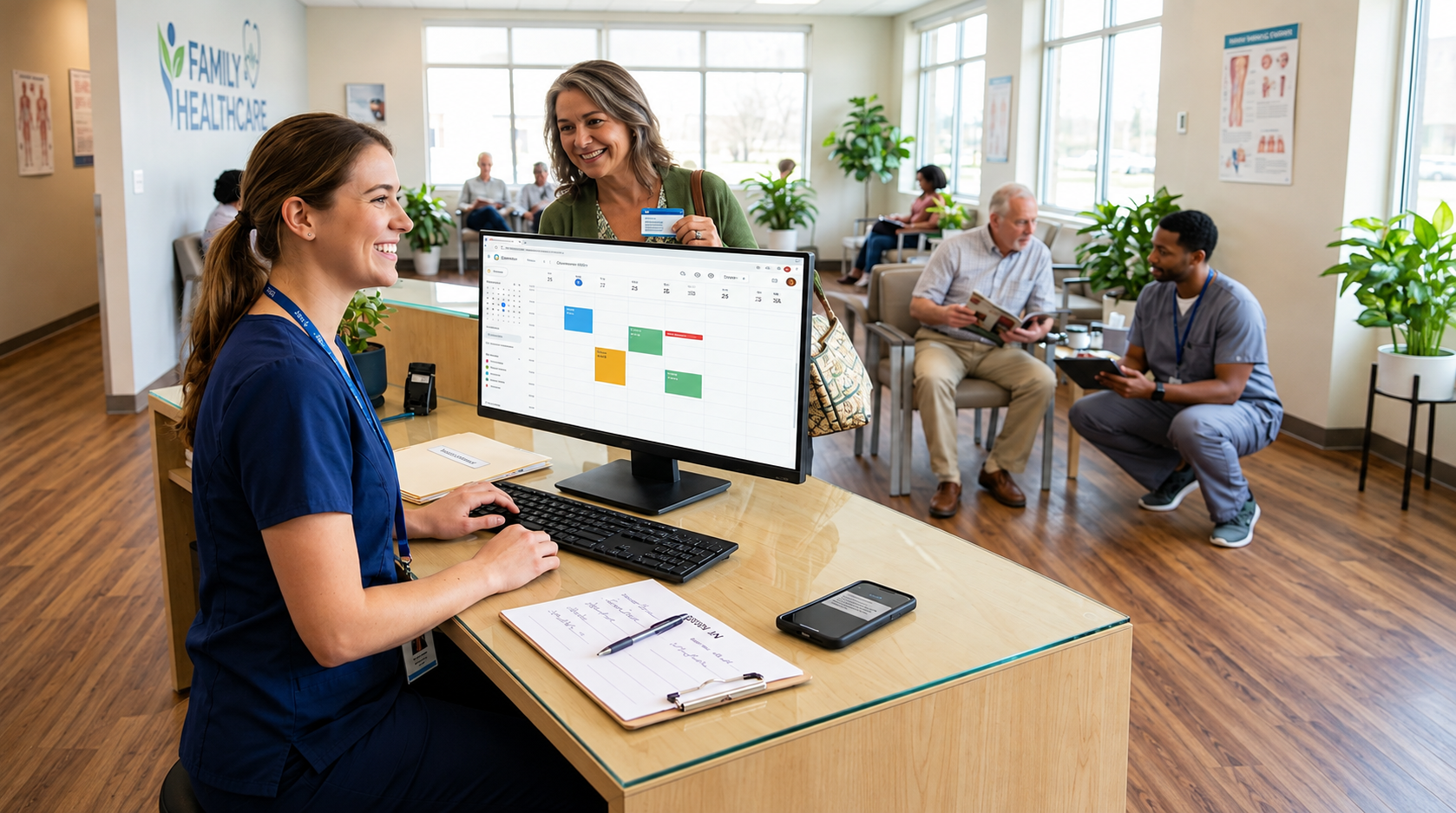
Having technology available is only the first step. The real value comes from using it to improve everyday workflows and make patient interactions easier.
1. Reduce Repetitive Administrative Tasks
Automated reminders, online scheduling, digital forms, and organized communication workflows can reduce the number of tasks employees need to complete manually.
For example, instead of calling every patient to confirm an appointment, a practice can use automated reminders and provide online scheduling options. Staff can then focus on patients who need personal assistance or more detailed support.
2. Make Patient Communication More Organized
When patients have multiple ways to contact a practice, communication can become difficult to manage. A structured combination of cloud phone services, IVR, two-way texting, email campaigns, and reminders can help practices organize common communication needs.
The objective is not to eliminate phone calls. It is to make communication more manageable so that calls requiring personal attention receive the time they deserve.
3. Improve Convenience Before the Visit
The patient experience begins before someone enters the practice. Finding information, booking an appointment, completing forms, and receiving reminders all influence how convenient the experience feels.
Finerr's online scheduling, healthcare website, digital forms, and reminder services can help reduce unnecessary steps before an appointment.
4. Create More Time for Patient Interactions
When repetitive work becomes easier to manage, staff may have more time to answer questions, explain services, assist patients in person, and coordinate care-related activities.
For independent pharmacies, this could mean more time for conversations about available services. For clinics and therapy practices, it could mean more attention to appointment preparation and patient follow-up.
The impact will vary by practice, workflow, staffing, and how consistently the tools are used. The central principle remains the same: simplify routine tasks so that human attention can be directed where it matters most.
5. Support Consistent Follow-Ups
Patients may need reminders about appointments, service updates, or relevant follow-up activities. Automated communication can help practices establish more consistent processes instead of relying entirely on memory or manual task lists.
Practices should configure communications according to their services, patient preferences, consent requirements, and applicable privacy rules.
6. Strengthen Online Visibility and Patient Trust
A practice's digital presence is another part of the patient experience. Accurate business listings, a useful website, consistent communication, and a well-managed review process help patients find information and understand what to expect.
Finerr's website management, digital marketing, and reviews and listing management services can support these activities while helping practices organize their broader patient engagement efforts.
7. Make Existing Workflows Simpler
Healthcare providers do not necessarily need to replace every system they already use to improve patient engagement. In many cases, the practical starting point is to identify repetitive tasks, review existing tools, and determine where additional communication and automation capabilities can help.
Before implementation, practices should confirm integration requirements, data flows, staff permissions, and compatibility with their existing pharmacy or practice management systems.

Independent pharmacies provide a useful example of why streamlined workflows matter. Pharmacy teams must balance patient questions, prescription-related requests, service inquiries, phone calls, and daily operational responsibilities.
Finerr has published pharmacy case studies that readers can explore to learn more about its work with pharmacy businesses.
Ocean Pharmacy Case Study TopValue Pharmacy Case Study Westside Pharmacy Case Study Zarchy Pharmacy Case Study Carteret Pharmacy Case StudyReview each case study for the specific challenges, services, and outcomes described. Results from one pharmacy should not be assumed to apply to every healthcare practice.

Identify recurring interruptions. Track common phone inquiries, scheduling requests, repetitive paperwork, and manual follow-ups.
Prioritize high-volume tasks. Start with processes that consume significant staff time or regularly delay patient communication.
Choose tools that fit existing workflows. Review compatibility with current practice management, pharmacy, scheduling, and communication systems.
Keep communication clear and useful. Use reminders and messages that provide relevant information without overwhelming patients.
Train the team. Make sure staff understand the tools, responsibilities, escalation paths, and situations that require personal attention.
Protect patient information. Evaluate privacy, security, consent, access controls, and applicable regulatory requirements before enabling digital workflows.
Measure progress. Track relevant indicators such as missed calls, appointment no-shows, response times, form completion, and staff feedback.
Preserve the human touch. Use automation to support—not replace—personal conversations, professional judgment, and compassionate service.
A focused approach helps teams understand which changes are useful before expanding automation to additional workflows.
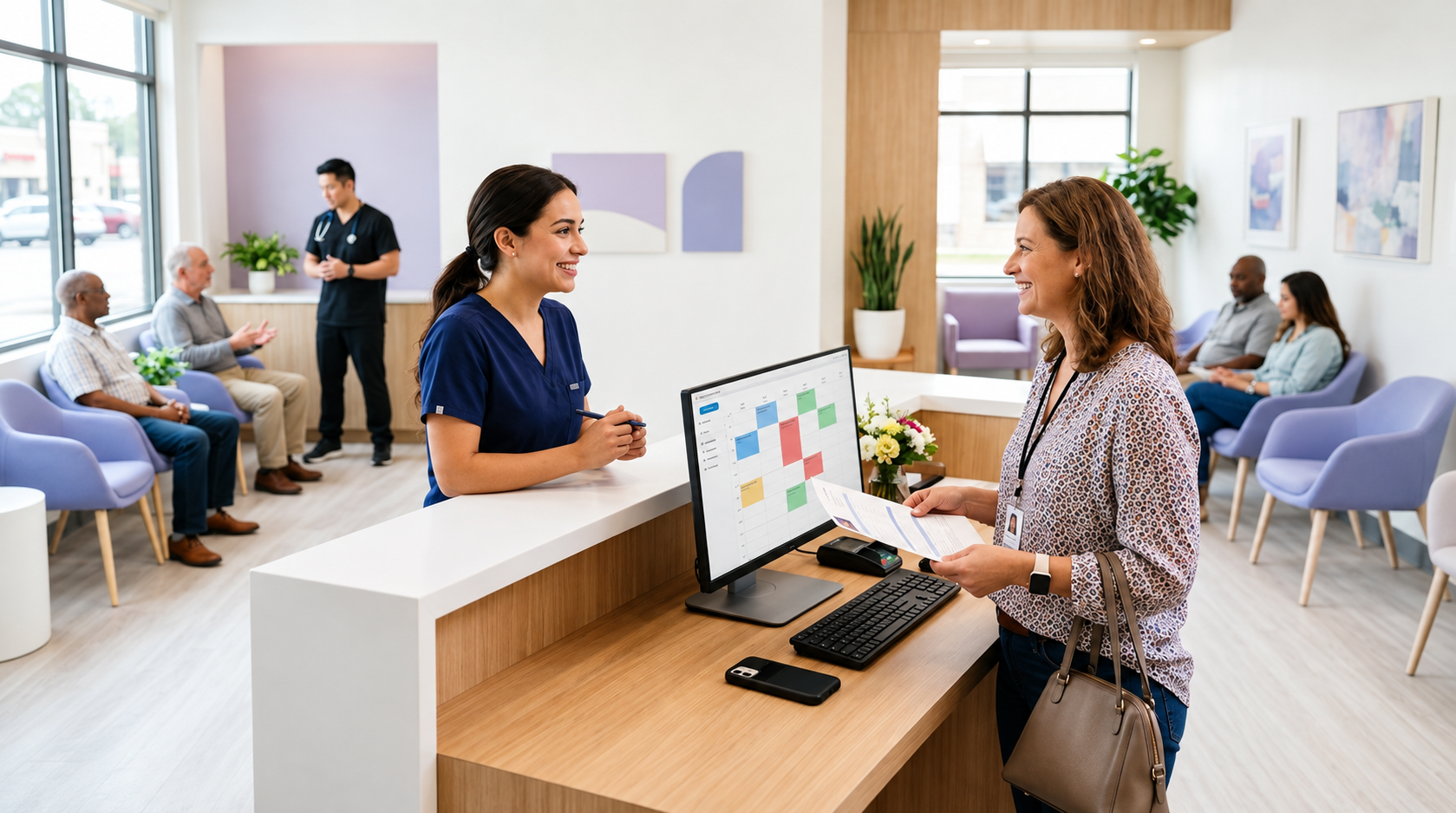
Healthcare teams should not have to spend their entire day managing interruptions and repetitive administrative work. Every unnecessary manual step can take attention away from patient questions, service coordination, and meaningful interactions.
A well-planned patient engagement strategy helps practices make routine communication more consistent, simplify scheduling, reduce paperwork, and improve digital access. Finerr brings together tools that support these goals for independent pharmacies and other healthcare providers.
The objective is not technology for its own sake. It is to make everyday work easier while preserving the personal attention that builds patient trust.
Simplicity creates better care. When healthcare teams spend less time managing repetitive tasks, they have more opportunities to focus on the people who matter most—their patients.
Book a personalized demo and see how Finerr helps your team deliver better care with less administrative work.


Healthcare teams often spend valuable time managing repetitive administrative tasks, including phone calls, appointment scheduling, patient reminders, paperwork, and follow-ups. These responsibilities can reduce the time available for meaningful patient interactions. Finerr helps independent pharmacies, clinics, medical spas, physical therapy practices, dental offices, and veterinary practices simplify patient engagement through automated reminders, online scheduling, two-way texting, cloud phone systems, digital forms, online payments, email marketing, reputation management, mobile app capabilities, and healthcare website services. By organizing routine workflows, practices can improve convenience, support consistent communication, and create more opportunities for staff to focus on patients. Simplicity creates better care.
Get in Touch


Administrative simplification means making routine tasks easier to manage through better processes and digital tools. Examples include appointment reminders, online scheduling, digital forms, and organized patient communication. The goal is to reduce avoidable manual work while preserving quality patient care.
Healthcare teams can identify high-volume tasks and automate suitable activities, such as reminders and routine follow-ups. Online scheduling and digital forms can also reduce manual coordination. Staff can then dedicate more time to patient questions and personalized assistance.
A patient engagement platform helps healthcare providers communicate and interact with patients through digital tools. Depending on the platform, it may include reminders, scheduling, messaging, digital forms, and review management. Finerr brings together patient engagement services for independent healthcare providers.
Finerr helps practices organize patient communication and simplify routine workflows through services such as automated reminders, online scheduling, two-way texting, and digital forms. These tools can reduce manual steps and interruptions. The results depend on each practice’s workflow and implementation.
Yes. Appropriate automation can make communication more consistent and help patients access information, schedule appointments, and receive reminders conveniently. It can also reduce unnecessary delays. Personal support remains essential for complex questions and individual patient needs.
Automated patient reminders help practices communicate appointment details and follow-up information through supported channels such as text, email, or voice. They reduce reliance on manual reminder calls and help patients stay informed. Practices should tailor messages to their workflows and consent requirements.
Online scheduling allows patients to book available appointments through digital booking options. This can reduce some routine calls and back-and-forth coordination. Staff can focus more on patients who need direct assistance or have more complex scheduling needs.
Two-way patient texting gives patients and staff another channel for confirmations, routine questions, and service updates. It may reduce the need for some phone calls and make communication more convenient. Practices should use messaging workflows that meet applicable privacy and consent requirements.
A cloud phone system with IVR, call routing, and voicemail can help organize incoming calls and direct patients to the appropriate option. It can make call handling more structured and support staff during busy periods. Configuration should reflect the practice’s actual needs and escalation procedures.
Digital forms allow patients to submit information electronically instead of relying entirely on paper documents. When completed before a visit, they may help reduce check-in delays and manual handling. Practices should verify that their forms meet relevant privacy and security requirements.
Finerr offers patient engagement services such as automated reminders, online scheduling, two-way texting, cloud phone and IVR, digital forms, online payments, email marketing, and reviews and listing management. It also offers mobile app capabilities, healthcare website services, and digital marketing support.
Yes. Finerr is designed to support independent healthcare providers, including pharmacies. Its services can help organize patient communication, reminders, phone workflows, refill-related interactions, and other supported engagement activities. Pharmacies should confirm which features and integrations fit their existing systems.
Finerr also targets clinics, medical spas, physical therapy practices, dental offices, and veterinary practices. The most relevant services will depend on the type of practice and its workflows. Providers should confirm feature availability and compatibility before implementation.
Practices can review common reasons for incoming calls and use tools such as IVR, call routing, voicemail, online scheduling, and two-way texting where appropriate. These options can help organize routine inquiries and offer patients alternative ways to connect. Calls requiring personal attention should still have a clear response path.
Disconnected tools can require staff to switch between systems, repeat data entry, and manage communication in separate places. This can add complexity and increase the chance of delays. Reviewing integration options and simplifying workflows can help practices reduce unnecessary administrative steps.
Practices can establish consistent follow-up workflows using reminders, approved messaging, and email campaigns where suitable. Clear processes help staff understand which communications should be automated and which require personal attention. Follow-ups should be relevant, timely, and consistent with patient preferences and applicable requirements.
Finerr offers reviews and listing management services to help healthcare businesses organize their online reputation and business information. A consistent review management process can support visibility and help practices respond to feedback. Practices should follow applicable review-platform rules and patient privacy requirements.
Teams can monitor indicators such as missed calls, appointment no-shows, response times, form completion, and staff feedback. Comparing these measures before and after a workflow change can help identify what is working. Results should be interpreted in the context of each practice’s size and operations.
Automation should support personal interactions rather than replace them. It can handle suitable repetitive tasks and routine communication, allowing staff to focus on questions that require empathy, judgment, or individual attention. A good workflow makes it easy to escalate a patient to a person when needed.
Start by identifying the repetitive tasks that consume the most staff time or frequently interrupt patient service. Prioritize one or two workflows, review available tools and integration needs, and train the team. Measure the results before expanding to additional processes.
Discover how Finerr helps healthcare teams automate routine tasks, organize patient communication, and create more time for meaningful patient care.