Jayesh Sarawagi | November 16, 2026
A missed appointment, a delayed prescription refill, or a forgotten follow-up can interrupt a patient’s healthcare journey. While these situations may seem small, consistent communication can help patients stay informed, remember important next steps, and remain connected with their healthcare providers.
Healthcare is not limited to the time a patient spends in a pharmacy, clinic, medical spa, physical therapy practice, or veterinary office. The experience continues between visits. Patients may need reminders about upcoming appointments, follow-up instructions, preventive services, or prescription refills. Without timely communication, even patients who intend to follow their care plans can overlook important tasks.
That is where automated patient reminders and consistent patient communication can make a difference. Well-timed messages help healthcare teams share relevant information without depending entirely on manual calls and follow-ups. They can also give patients a convenient way to confirm appointments, ask questions, and stay connected.
For independent healthcare providers, the challenge is finding a way to maintain these connections while managing daily operations. Finerr helps healthcare businesses simplify communication, automate repetitive administrative tasks, and make patient engagement easier to manage.
The goal is straightforward: support better communication so patients can stay engaged with their care and healthcare teams can spend more time on meaningful patient interactions.
Patients have different schedules, responsibilities, and communication preferences. A reminder that arrives at the right time can help someone prepare for an appointment, remember a planned follow-up, or contact their provider when they need assistance.
Consistent communication supports the patient experience in several ways:
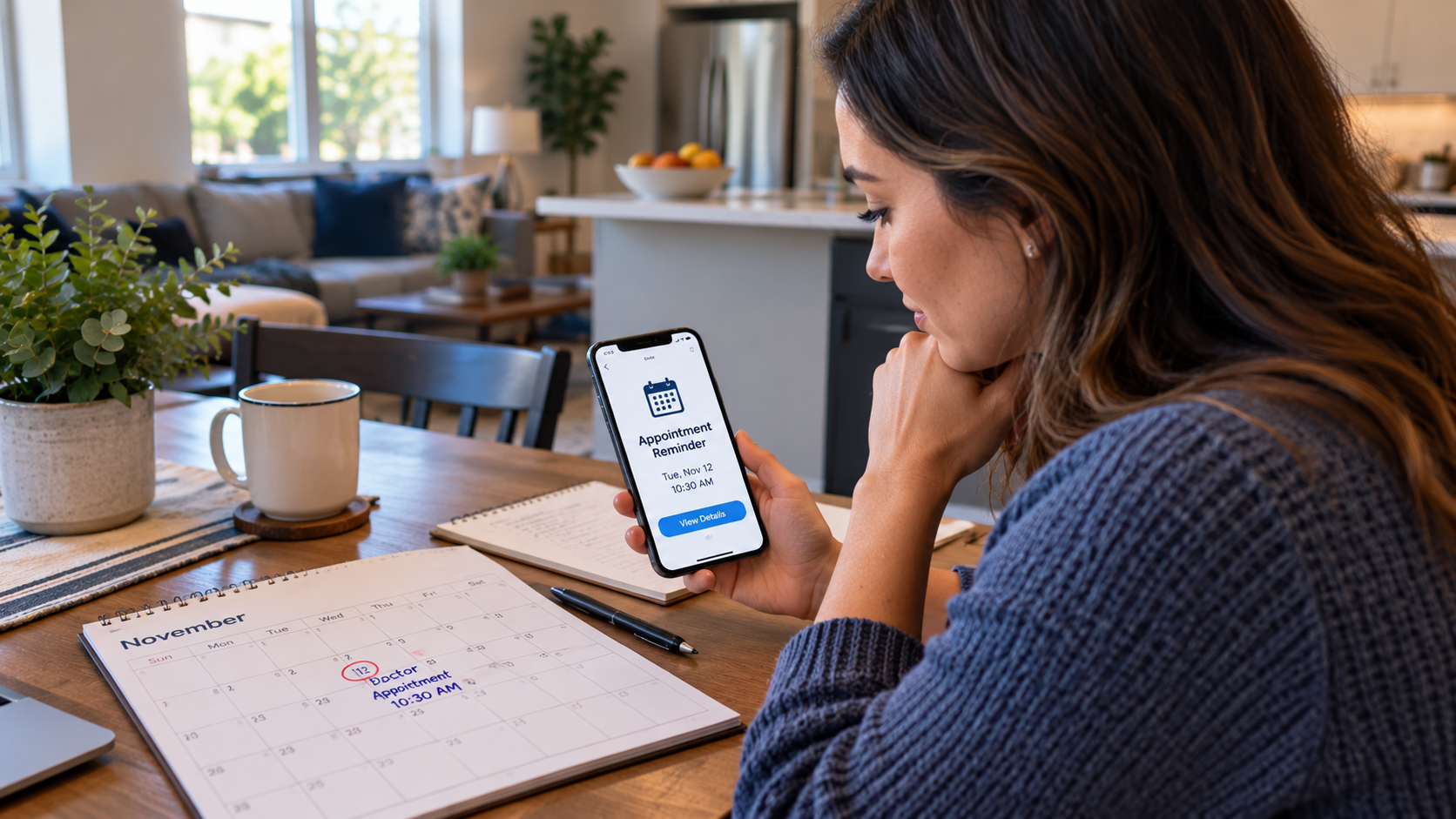
Reminders do not replace professional advice or guarantee better health outcomes. Their value lies in helping reduce communication gaps and making it easier for patients to act on the care instructions and services offered by their providers.
Even healthcare teams that prioritize patient care can struggle to communicate consistently. Many of these challenges come from the volume of daily administrative work rather than a lack of commitment.
1. Manual Follow-Ups Take Time
Staff may need to call patients about appointments, respond to questions, coordinate follow-ups, or remind people about available services. When each task depends on an employee remembering to complete it, communication can become inconsistent during busy periods.
Manual follow-ups also take time away from other responsibilities, including supporting patients in person and managing day-to-day operations.
2. Missed Appointments Disrupt Schedules
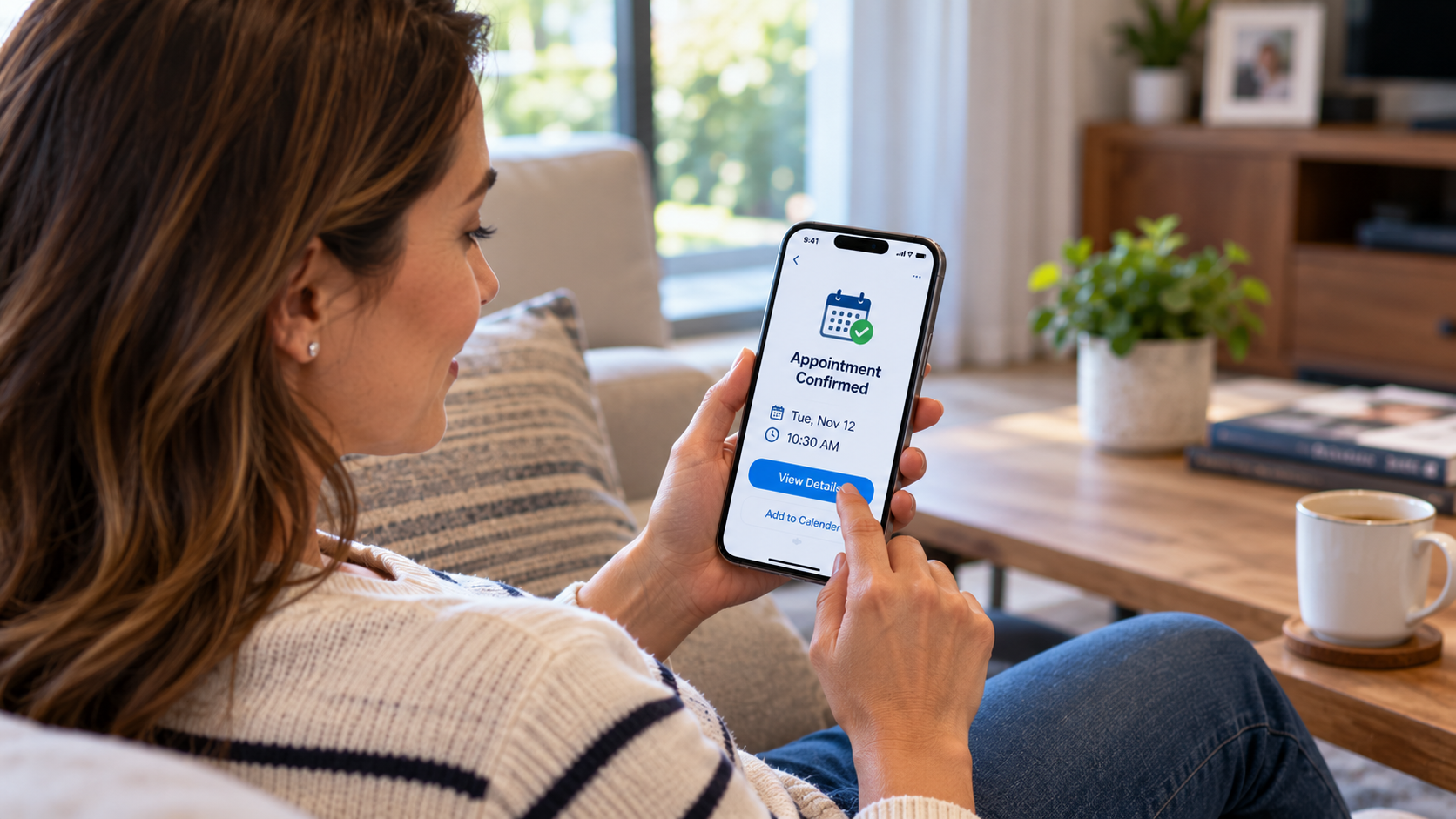
Patients can forget appointments, experience scheduling conflicts, or be unsure about the time of their next visit. When reminders are not sent consistently, patients may miss appointments or fail to notify the practice that they need to reschedule.
These gaps can affect scheduling efficiency and make it harder for healthcare teams to plan their workload. Appointment reminders offer a practical way to keep visit details visible and make it easier for patients to communicate changes.
3. Important Messages Get Lost
Patients may receive information through phone calls, emails, text messages, printed instructions, or conversations at the front desk. If communication is fragmented, they may overlook a message or struggle to remember what action is expected.
A more organized patient communication process can help healthcare teams deliver clearer, more consistent information through suitable channels.
4. Patients Need Support Between Visits
A patient’s questions do not always arise during an appointment. Someone may need to ask about scheduling, check on a refill request, or clarify how to contact the practice.
When phone lines are busy or staff members are occupied, patients may have difficulty reaching the right person. Accessible communication options help patients connect with the business without relying exclusively on live phone calls.
5. Preventive Care Can Be Overlooked
Preventive services, routine check-ins, and recommended follow-ups can be pushed aside when patients are busy. Healthcare providers can help by communicating relevant information and making it easier for patients to ask questions or schedule appropriate services.
Messages should be timely, accurate, and relevant to the patient. They should support—not replace—individualized recommendations from qualified healthcare professionals.
6. Disconnected Tools Create Extra Work
Some practices use separate systems for scheduling, phone calls, messaging, forms, reviews, and email campaigns. Switching between tools can make it harder to maintain consistent communication and understand which tasks still need attention.
Simplifying workflows can reduce repetitive work and help teams manage patient engagement more efficiently.
Read more: How Reminders Improve Patient Outcomes Read more: Automated Patient Reminders Read more: Customizing Reminders to Fit Patient Needs Read more: Patient Engagement SmartlyFinerr is a patient engagement platform built for independent healthcare providers. It helps businesses organize patient communication and automate repetitive tasks so teams can maintain more consistent engagement throughout the patient journey.
Its services support pharmacies, clinics, physical therapy practices, medical spas, veterinary businesses, and other independent healthcare providers.
1. Automated Patient Appointment Reminders
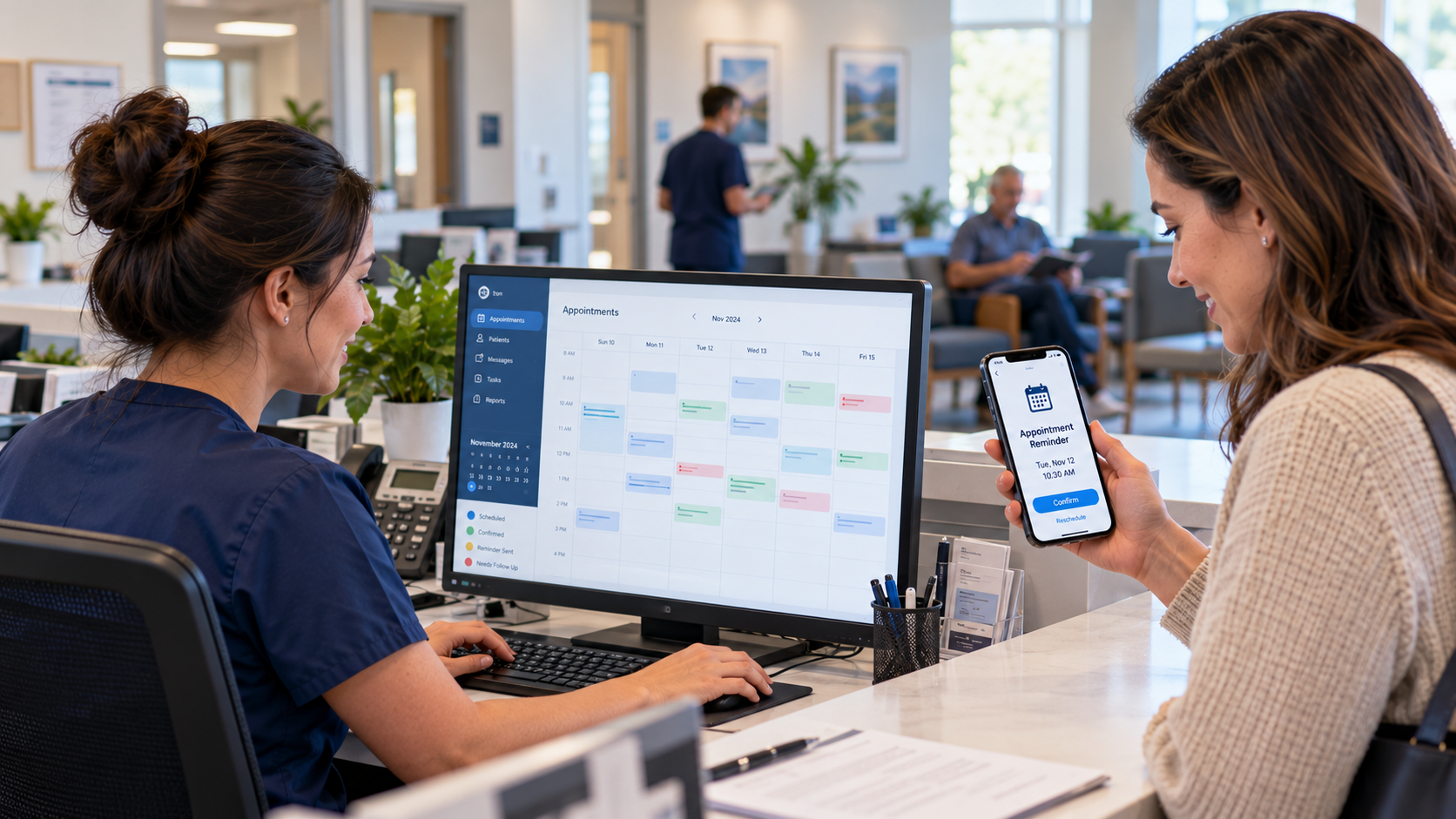
Automated patient reminders help practices communicate appointment details without requiring staff to contact every patient manually. Depending on the configured workflow, reminders can be delivered through supported communication channels such as SMS, email, or voice.
These messages can help patients remember appointment dates and times, prepare for scheduled visits, and contact the practice if plans change.
For healthcare teams, automation creates a more repeatable follow-up process. Staff can spend less time on routine reminder calls and more time helping patients who need personal assistance.
2. Two-Way Text Messaging
A reminder is more useful when patients have a convenient way to respond or ask a question. Two-way text messaging supports direct communication between patients and healthcare businesses.
Depending on the practice’s setup, staff can use texting to coordinate appointment details, respond to routine inquiries, and guide patients toward the appropriate next step.
Text messaging can also reduce the need for some phone calls, particularly when a short written response is sufficient. Healthcare businesses should use appropriate privacy safeguards and avoid sending sensitive information through channels that are not approved for that purpose.
3. Online Scheduling
Online scheduling gives patients a convenient way to view available booking options and request or schedule appointments according to the provider’s configuration.
When patients can manage scheduling more easily, staff may spend less time handling routine booking calls. Online scheduling also complements reminders: patients can receive appointment information and have a clearer path to managing their visit.
Read more: Explore Finerr’s online scheduling platform to learn more.4. Cloud Phone System and IVR
Phone calls remain essential in healthcare, especially when patients need personal assistance or have questions that require a conversation.
Finerr's cloud phone system and interactive voice response (IVR) capabilities help businesses organize incoming calls and direct callers toward the appropriate option. This can make routine inquiries easier to manage and help teams handle communication during busy periods.
A well-organized phone system works alongside automated reminders and texting, giving patients multiple ways to reach the business.
5. Patient Refill Requests and Mobile App Support
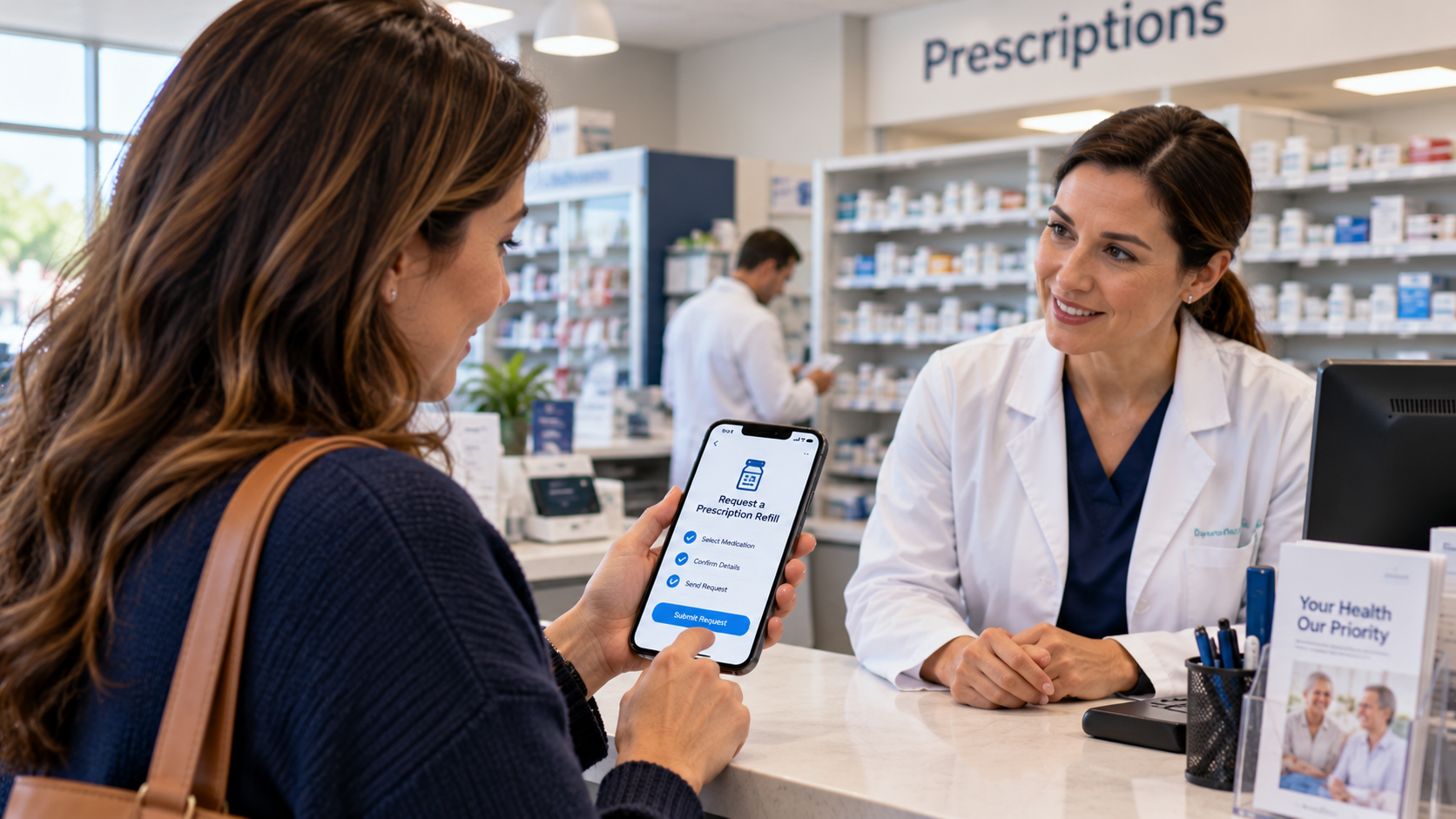
For pharmacies, prescription-related communication is an important part of ongoing patient engagement. Finerr supports refill request workflows, including options through its mobile app and other configured channels.
The Finerr mobile app currently focuses on refill requests and reminders. It should be presented as a convenient way for patients to engage with these specific services rather than as a full-featured patient portal with functions that may not be available.
Refill requests and reminders can help patients contact their pharmacy more conveniently. They do not replace medication counseling, prescription authorization, or advice from a pharmacist.
6. Digital Forms and Online Payments
Digital forms can reduce the amount of paperwork involved in intake and other administrative processes. Online payment options give patients another convenient way to complete eligible payment tasks.
When these processes are easier to manage, staff can spend less time coordinating routine paperwork and payment steps. Practices should clearly explain how patients can submit information securely and which payment methods are available.
7. Email Marketing and Ongoing Patient Education
Email marketing can support communication beyond appointment reminders. Healthcare businesses can use planned campaigns to share service updates, educational information, seasonal notices, and other relevant messages.
For example, a pharmacy might communicate information about available vaccination services, while a physical therapy practice could share general guidance about its services and appointment options.
Communications should be accurate, appropriate for the intended audience, and aligned with patient consent and applicable privacy requirements. General educational messages should not be presented as personalized medical advice.
8. Reviews and Listing Management
Patient engagement also includes how a healthcare business listens to feedback and maintains its public presence. Finerr's reviews and listing management services help businesses organize reputation-related activities and maintain business information across supported platforms.
Accurate listings make it easier for patients to find essential details such as business hours, contact information, and location. Review management can help practices monitor feedback and identify opportunities to improve the patient experience.
9. Websites and Social Media Management
A clear, useful website helps patients find services, contact information, and relevant next steps. Healthcare-focused website services and social media management can support a consistent digital presence.
When service information and contact options are easy to find, patients have a better starting point for asking questions or scheduling appropriate services.
10. Additional Operational Communication Tools
Finerr also supports other operational workflows, including digital fax services, separate doctor and patient voicemail options, and employee time management tools. Available capabilities depend on the service and configuration selected by the business.
Together, these tools can help independent healthcare providers simplify administrative processes and build a more organized communication experience.
Use reminders for relevant events. Appointment confirmations, upcoming visits, planned follow-ups, and pharmacy refill prompts can serve different purposes. Each message should make the intended action clear.
Choose appropriate timing. A reminder sent too early may be forgotten, while a late reminder may not give the patient enough time to respond. Timing should reflect the type of appointment or task and the practice’s workflow.
Keep messages concise. Include only the necessary information, such as the appointment date, time, business contact details, and an appropriate next step. Avoid including unnecessary sensitive health information.
Make it easy to respond. Where supported, provide a clear way for patients to confirm, reschedule, call, or request assistance.
Respect preferences and privacy. Follow applicable consent, privacy, security, and communication requirements. Give patients appropriate options to manage their communication preferences.
Review results regularly. Track relevant operational measures such as reminder delivery, appointment confirmations, no-show rates, rescheduling activity, response times, and staff workload. These measures can help teams identify what is working and where changes may be useful.
Independent pharmacies have different operational needs, from managing patient communication to making daily workflows more efficient. Finerr's published pharmacy case studies provide examples of businesses associated with its solutions.
Explore the following case studies to learn more about the pharmacies and their experiences:
Ocean Pharmacy Case Study TopValue Pharmacy Case Study Westside Pharmacy Case Study Zarchy Pharmacy Case Study Carteret Pharmacy Case StudyReview each case study for the specific challenges, services, and outcomes documented. Results may vary depending on the business, its workflows, and how its tools are implemented.
Every reminder is an opportunity to help a patient stay connected with a healthcare provider. Consistent communication can make appointment details easier to remember, provide convenient ways to ask questions, and encourage patients to follow up with their care team when needed.
For healthcare businesses, the challenge is maintaining that consistency without adding more manual work to already busy days. Automated reminders, two-way texting, online scheduling, phone systems, refill request workflows, and other patient engagement tools can help create a more organized communication process.
Finerr brings multiple patient engagement and operational services together to help independent healthcare providers simplify routine tasks and maintain meaningful connections with the people they serve.
Support better health through better communication. Explore Finerr to learn how its patient engagement solutions can support your healthcare business.
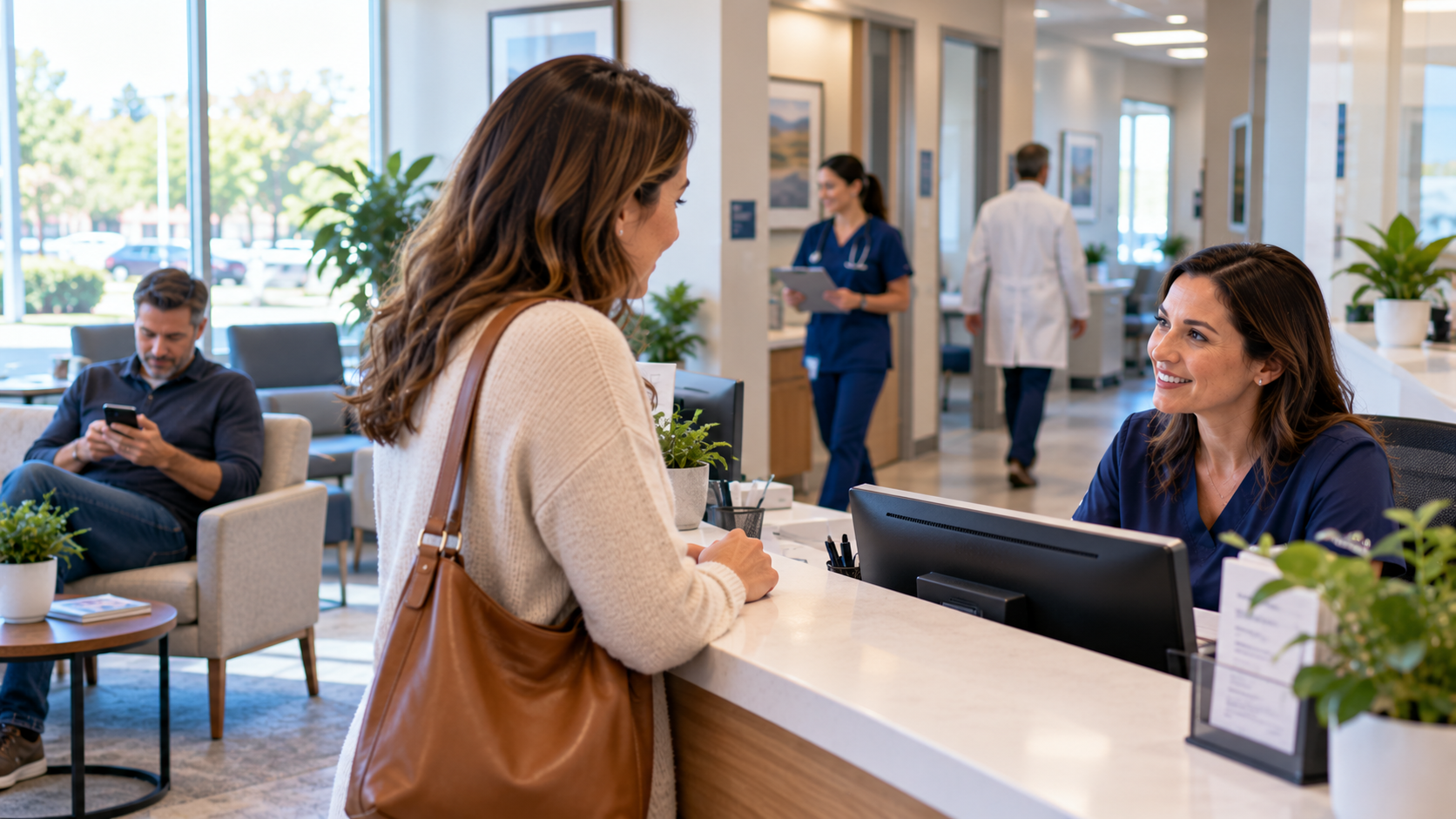


Every reminder can make a difference in the patient journey. Consistent communication helps patients remember appointments, stay informed about preventive services, follow up with healthcare professionals, and contact pharmacies about prescription refills. However, manual follow-ups, missed calls, and disconnected systems can make patient engagement difficult. Finerr helps independent healthcare providers simplify communication with automated patient reminders, two-way texting, online scheduling, cloud phone systems, refill request workflows, digital forms, email marketing, and other operational tools. By reducing repetitive administrative work and making communication more accessible, healthcare teams can build stronger patient relationships and support a more consistent, convenient care experience.
Get in Touch


Automated patient reminders are scheduled messages sent to patients about appointments, follow-ups, or other relevant healthcare tasks. They may be delivered through SMS, email, or voice, depending on the system. These reminders help healthcare businesses communicate consistently without relying entirely on manual calls.
Patient reminders help keep important appointments and next steps visible to patients. They also provide an opportunity to confirm a visit, request a change, or contact the provider with questions. Consistent communication can strengthen the connection between patients and their healthcare teams.
Yes, reminders can help patients remember upcoming appointments and notify a practice when their plans change. Their effectiveness depends on factors such as message timing, contact information, patient preferences, and ease of rescheduling. Reminders support attendance but cannot eliminate every missed appointment.
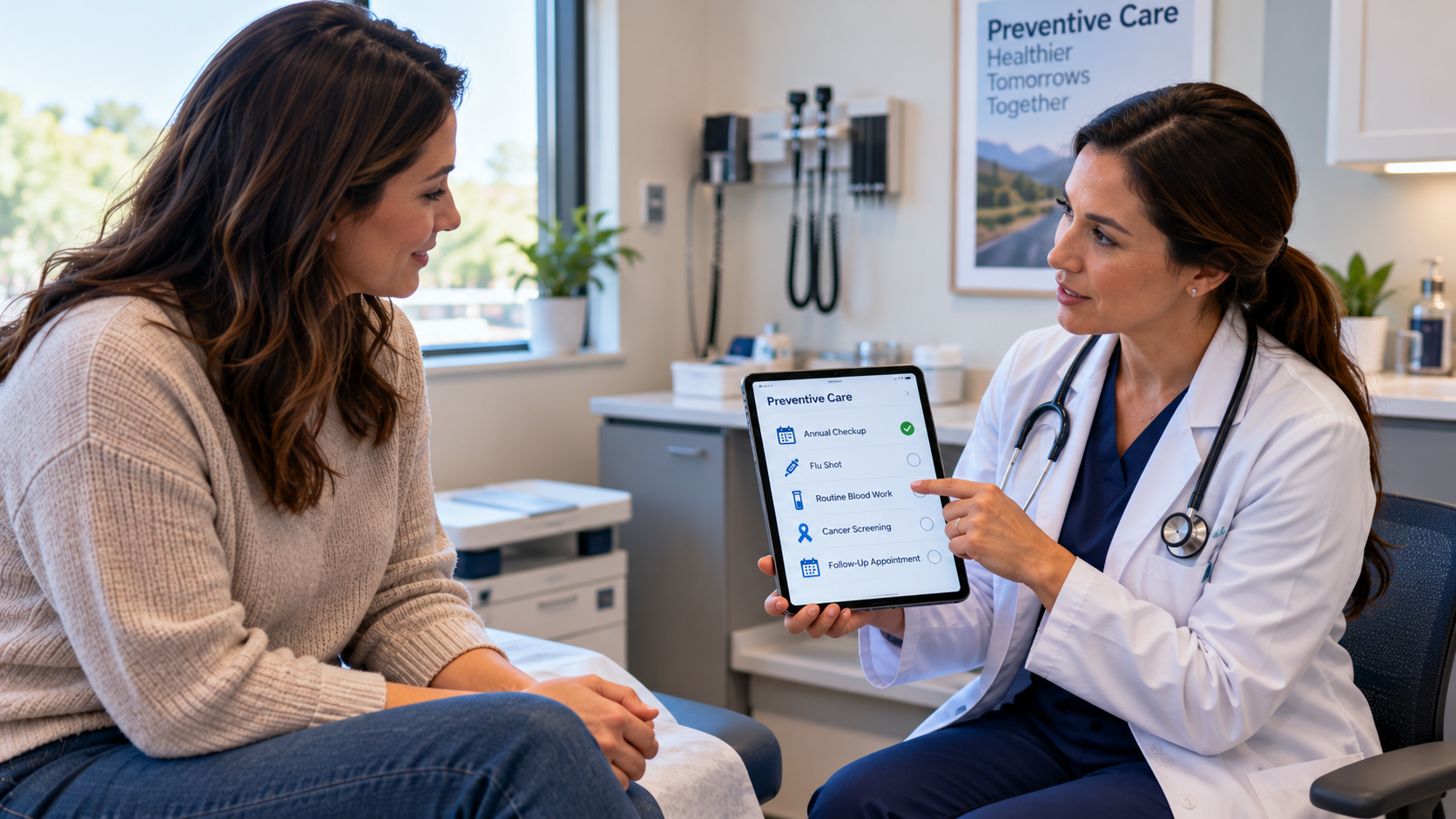
Reminders can make patients aware of upcoming visits or preventive services offered by their healthcare provider. They may encourage patients to contact the practice to discuss screenings, vaccinations, or routine checkups when appropriate. Messages should reflect the provider’s recommendations and should not replace personalized medical advice.
Patient reminder software helps healthcare businesses schedule, organize, and send messages about appointments or follow-up activities. Depending on the platform, it may support SMS, email, or voice communication. It can reduce repetitive manual tasks and make reminder workflows more consistent.
Independent pharmacies, clinics, dental offices, physical therapy practices, medical spas, and veterinary businesses can all use reminders for relevant appointments or services. The most appropriate workflow depends on the business and its patient or client needs. Each organization should tailor messages to its services and communication requirements.
Pharmacies can use reminders to support appointment communication, promote awareness of available services, and prompt patients to contact the pharmacy about prescription refills when appropriate. Refill reminders should not imply that a prescription has been approved or is ready unless that status has been verified. Pharmacists remain responsible for appropriate medication guidance.
Refill reminders can prompt patients to review their medication supply and contact their pharmacy when a refill may be needed. They can make it easier for patients to initiate the refill process through available channels. They do not guarantee that a refill is authorized, available, or clinically appropriate.
Appointment reminders generally communicate details about an upcoming visit, such as the date and time. Follow-up messages may provide next steps, prompt patients to contact their provider, or share approved information after an interaction. Both should be relevant, appropriately timed, and consistent with the provider’s communication policies.
Two-way text messaging gives patients and healthcare businesses a convenient way to exchange short messages. Patients may be able to ask routine questions, coordinate appointment details, or request assistance without making a phone call. Practices should use approved communication channels and protect sensitive health information.
Neither channel is best for every situation. SMS may be useful for concise, time-sensitive appointment messages, while email can accommodate longer information or educational content. Healthcare businesses should consider patient preferences, consent, accessibility, privacy, and the type of message being delivered.
Reminder frequency depends on the appointment type, service, patient preferences, and the practice’s policies. A useful schedule provides enough notice without overwhelming patients with repeated messages. Healthcare teams should review engagement data and adjust timing when their workflows or patient needs change.
A reminder commonly includes the appointment date, time, healthcare business name, and a clear way to contact the practice or manage the booking. Additional details should be limited to what is necessary and appropriate. Avoid including unnecessary sensitive health information in messages.
Online scheduling allows patients to book or request appointments through an available digital booking option. Reminder workflows can then help communicate details about the scheduled visit, depending on the platform’s configuration. Together, these tools can make appointment management more convenient for patients and staff.
Automated reminders can reduce the need for staff to manually contact every patient about routine appointments. This can free up time for more complex inquiries and in-person support. The actual time saved depends on message volume, workflow design, and how well the system fits the practice’s operations.
Finerr offers patient engagement services that support automated reminders and ongoing communication. Its broader capabilities include two-way texting, online scheduling, a cloud phone system and IVR, refill request workflows, email marketing, and other operational tools. Available features depend on the service and configuration used by the healthcare business.
Finerr supports prescription refill request workflows, including options through its mobile app and other configured channels. These options can make it more convenient for patients to contact their pharmacy about a refill. A request does not itself confirm prescription approval, availability, or dispensing.
Businesses can monitor delivery rates, appointment confirmations, response rates, rescheduling activity, and no-show trends. They can also evaluate whether staff spend less time on repetitive follow-ups. Reviewing these measures over time helps teams understand performance without assuming that reminders alone caused every change.
Healthcare businesses should follow applicable privacy laws, consent requirements, security standards, and communication policies. Messages should contain only appropriate information and use approved channels for sensitive details. Practices should also respect communication preferences and provide suitable ways for patients to manage their message settings.
No. Reminders can help patients remember appointments and stay connected with their healthcare providers, but they cannot guarantee treatment adherence or improved health outcomes. Outcomes also depend on clinical care, patient circumstances, access to services, and many other factors. Reminders work best as one part of a broader patient engagement strategy.
Discover how Finerr helps healthcare teams simplify daily operations, improve patient engagement, and create calmer, more manageable workdays.