Jayesh Sarawagi | November 20, 2026
Healthcare is about more than appointments, prescriptions, and treatment plans. It is also about the people who provide support when a patient returns home, needs help with everyday activities, or faces the challenges of managing a health condition. Family caregivers often play this important role quietly, offering patience, compassion, and practical assistance every day.
A family caregiver may be a spouse helping a partner attend appointments, an adult child coordinating care for an aging parent, or a relative supporting someone recovering from an illness or injury. Their responsibilities can include organizing appointments, communicating with healthcare professionals, remembering instructions, helping with daily routines, and providing emotional reassurance.
Although these efforts can make a meaningful difference in a person's life, caregiving can also be demanding. Family caregivers may balance work, personal responsibilities, and their own well-being while trying to make sure a loved one receives the support they need.
Recognizing caregivers means acknowledging both their compassion and the practical challenges they face. It also means making communication between patients, families, and healthcare providers as clear and accessible as possible.
For independent healthcare providers, thoughtful patient engagement can help support these connections. Finerr offers digital communication and operational tools that help healthcare businesses manage routine interactions, organize workflows, and make it easier for patients to stay connected with their providers.
This month, let us celebrate family caregivers—and consider how better communication and simpler healthcare processes can help support the people who care for others.

Family caregivers contribute in ways that may not always be visible during a clinical appointment. They may coordinate transportation, help patients remember upcoming visits, organize questions for healthcare professionals, or offer encouragement during difficult periods.
Their role can be especially important when patients need ongoing assistance or have multiple appointments and care instructions to manage.
They provide emotional support
Living with an illness, recovering from an injury, or managing a long-term health condition can be stressful. Family caregivers often offer reassurance, companionship, and encouragement. Their presence can help patients feel supported while navigating unfamiliar or difficult experiences.
They help coordinate everyday care
Caregivers may help organize appointment schedules, maintain medication lists, arrange transportation, and communicate questions to healthcare professionals—with the patient's permission. These practical responsibilities can make it easier for families to keep track of important information.
They help patients navigate healthcare services
Patients may need assistance contacting a clinic, confirming an appointment, requesting a prescription refill, or understanding the next administrative step. A caregiver who has permission to help can support these tasks and communicate with the appropriate healthcare team.
They make personal sacrifices
Caregiving can require time, flexibility, and emotional energy. Some caregivers adjust their work schedules, reduce personal activities, or manage competing responsibilities. Recognition should include appreciation for their efforts and awareness that caregivers also need rest, resources, and support.
While every caregiving situation is different, several common challenges can make the experience more difficult.

1. Keeping Track of Appointments and Follow-Ups
A patient may have appointments with multiple providers, follow-up visits, therapy sessions, or pharmacy-related tasks. A family caregiver may help coordinate these activities while managing their own calendar.
When appointment information is spread across phone calls, emails, printed paperwork, and text messages, it can become difficult to keep everything organized. Missed messages or last-minute schedule changes can create additional stress.
Clear appointment communication and convenient scheduling options can help families manage these tasks more easily.
2. Navigating Multiple Communication Channels
Healthcare businesses may use different systems for phone calls, scheduling, reminders, forms, and patient inquiries. Families may need to call during business hours, wait for a response, or repeat information when contacting a different team member.
For caregivers already managing multiple responsibilities, a complicated communication process can add unnecessary effort. Clear contact options and consistent information help patients and authorized caregivers know where to turn for assistance.
3. Managing Information Without Becoming Overwhelmed
Caregivers may receive appointment details, care instructions, billing information, and follow-up recommendations. They need to understand which information requires action and when to contact the healthcare provider.
Digital reminders can help make dates and administrative tasks more visible, but they should not replace clinical instructions or individualized guidance from qualified healthcare professionals.
4. Finding Time for Personal Responsibilities
Caregiving often happens alongside employment, parenting, household responsibilities, and other commitments. A caregiver may find it difficult to make repeated calls during the workday or complete paperwork before an appointment.
Convenient scheduling, clear digital forms, and appropriate messaging options can reduce some administrative friction. They cannot remove every caregiving burden, but they can make certain tasks easier to manage.
5. Feeling Disconnected From Healthcare Teams
When patients and families do not know how to contact a provider, ask a question, or confirm the next step, uncertainty can grow. Delayed responses or unclear instructions may leave caregivers unsure whether they need to take action.
Healthcare businesses can improve the experience by providing clear contact information, setting realistic expectations for responses, and using consistent communication processes.

6. Remembering That Caregivers Need Support, Too
Caregivers can become so focused on another person's needs that they overlook their own well-being. They may need help from other family members, respite opportunities, community services, or professional guidance.
Healthcare providers can help by communicating respectfully, recognizing caregiver concerns, and directing families to appropriate support resources when available. Digital tools can assist with administrative communication, but human understanding remains essential.
Read more: The Emotional Side of Better Patient Engagement Read more: Building Patient Loyalty Through Text Communication Read more: The Future of Patient Communication Is Proactive Read more: Why Convenience Is Becoming the New Standard in HealthcareFinerr is a patient engagement platform designed for independent healthcare providers. Its services help businesses organize patient communication and simplify routine operational tasks. These capabilities can support a more convenient experience for patients and, where appropriate and authorized, the family members helping them.
Finerr does not replace family caregivers, clinical professionals, or dedicated caregiver support services. Instead, its tools can help reduce communication friction around everyday healthcare interactions.
1. Automated Appointment Reminders
Appointment reminders can help patients keep upcoming visits visible and provide timely information about dates and times. Where a patient has authorized a family caregiver to assist with scheduling, the provider can follow its approved process for coordinating appointment communication.
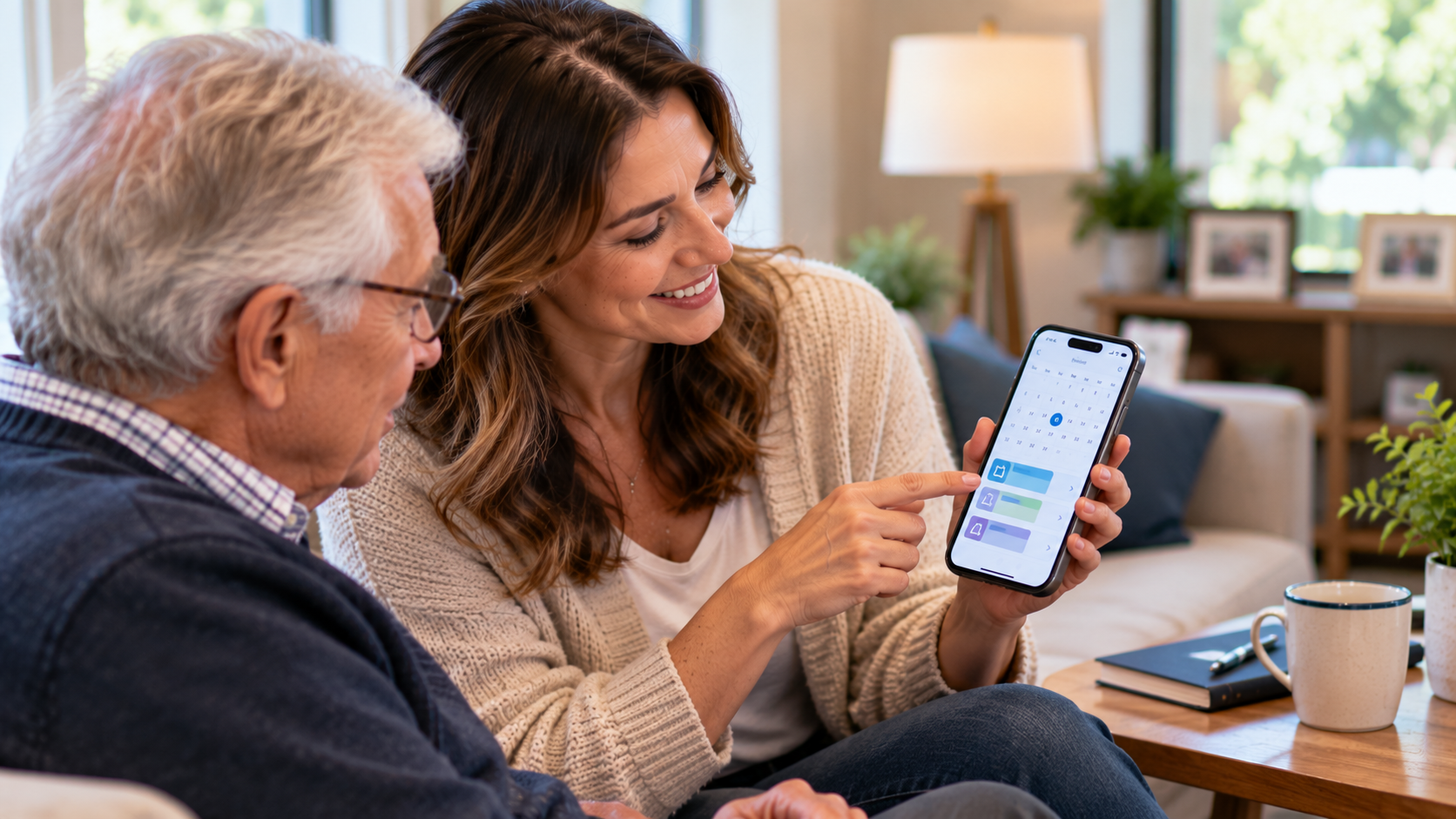
Automated reminders may reduce the need for repeated manual calls from healthcare staff and help patients know when to contact the business if their plans change.
2. Online Scheduling
Online scheduling can give patients a convenient way to book or request appointments through available digital options. With the patient's permission, a family member may be able to help coordinate appointments when the provider's workflow allows it.
This can be useful when managing recurring appointments or coordinating visits around work and family responsibilities. Available booking options depend on the healthcare business and its configuration.
3. Two-Way Text Messaging
Two-way text messaging provides a convenient channel for routine communication between patients and healthcare businesses. Depending on the provider's setup, it may help users ask administrative questions, confirm appointment details, or request assistance.
For family caregivers, a clear communication channel can make it easier to identify the appropriate next step. Healthcare providers should verify authorization before discussing patient-specific information and use approved channels for sensitive communications.
4. Cloud Phone System and IVR
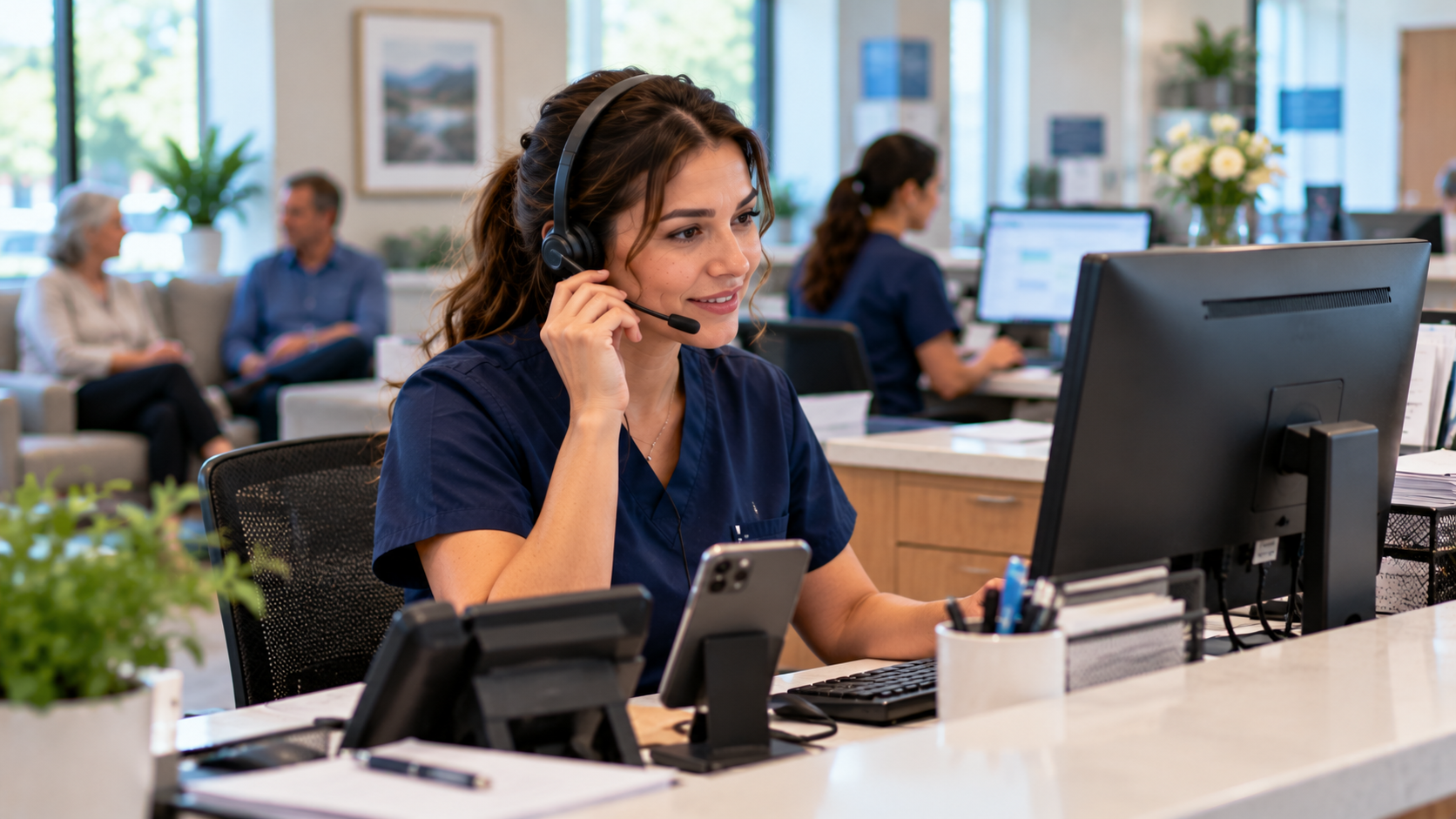
Phone calls remain important when patients or caregivers need personal assistance. Finerr's cloud phone system and interactive voice response (IVR) capabilities help businesses organize incoming calls and direct callers toward appropriate options.
A clearer call flow can help patients and authorized caregivers find the right department or contact path. It also helps healthcare teams manage incoming communication more systematically during busy periods.
5. Digital Forms and Online Payments
Digital forms can reduce paperwork for eligible registration and administrative processes. Online payment options can provide another convenient way to complete supported transactions.
Where a caregiver is helping a patient, the provider should explain who is authorized to submit forms or make payments and how information is handled securely. These tools can simplify administrative steps without replacing discussions that require professional guidance.
6. Email Marketing and Patient Education
Healthcare businesses can use email marketing to share appropriate service updates, general educational information, seasonal notices, and other relevant communications.
For example, a practice might share information about available services or explain how patients can prepare for an upcoming appointment. Such messages can help patients and families find useful information, provided the content is accurate and the communication follows consent and privacy requirements.
7. Mobile App and Refill Request Workflows
Finerr supports prescription refill request workflows, including options through its mobile app and other configured channels. These options may make it easier for patients to contact their pharmacy about a refill.
If a family member is helping, the pharmacy should follow its normal authorization and identity-verification processes. A refill request does not automatically mean that a prescription has been approved or is ready.
8. Reviews and Listing Management
Accurate online business information helps patients and families find contact details, hours, and service information. Finerr's reviews and listing management services help healthcare businesses manage their online presence and reputation-related activities.
Clear listings can reduce uncertainty when someone is trying to locate a provider or determine how to contact the business.
9. Website and Social Media Services
A well-organized healthcare website can help patients find service information, contact details, and available booking options. Social media management can support consistent communication about business updates and appropriate educational content.
These channels can be particularly useful for sharing practical information that families may need before contacting a provider. They should not be used to disclose private patient information or substitute for individualized medical guidance.
10. Additional Operational Tools
Finerr also offers services such as digital fax, separate doctor and patient voicemail options, and employee time management tools. The available functions depend on the selected service and configuration.
By simplifying routine administrative workflows, healthcare businesses can make communication more organized for patients, caregivers, and staff.
Technology can support communication, but meaningful recognition begins with how healthcare teams treat people.
Listen with empathy. Allow patients and authorized caregivers to explain their questions or concerns without making them feel rushed.
Clarify communication preferences. Ask patients how they prefer to receive appointment information and whether they authorize a family member to help coordinate specific tasks.
Provide clear next steps. Explain how to schedule, reschedule, request a refill, submit forms, or contact the appropriate team.
Respect patient privacy and autonomy. A family relationship does not automatically grant access to a patient's information. Follow applicable privacy requirements and confirm authorization before sharing protected details.
Make information accessible. Use clear language, readable digital content, and practical contact options. Avoid assuming every patient or caregiver is comfortable with technology.
Acknowledge caregiver well-being. When appropriate, encourage caregivers to seek help from family members, community organizations, or qualified support services. Caregivers deserve care and consideration, too.
Finerr has published case studies featuring independent pharmacies and their experiences with its solutions. These resources provide additional context about patient engagement and pharmacy operations.
Explore the following case studies:
Ocean Pharmacy Case Study TopValue Pharmacy Case Study Westside Pharmacy Case Study Zarchy Pharmacy Case Study Carteret Pharmacy Case StudyThese are pharmacy-focused examples, not direct evidence of outcomes for family caregivers. Review each case study for the specific services and results it documents.

Care extends beyond the clinic, and family caregivers are an important part of that journey. Their time, patience, and compassion help loved ones navigate everyday responsibilities and stay connected with healthcare services.
Recognizing caregivers means more than expressing gratitude. It means creating communication experiences that respect their time, offering clear administrative processes, and ensuring that patients remain at the center of decisions about their care.
Finerr helps independent healthcare providers organize communication through appointment reminders, online scheduling, two-way texting, phone systems, digital forms, refill request workflows, and other services. These tools can help simplify routine interactions while healthcare teams continue to provide the personal attention patients need.
This month, celebrate family caregivers for the support they provide every day. And remember that better healthcare experiences are built through both compassionate people and thoughtful systems.
Care extends beyond the clinic. Celebrate caregivers this month.
Book a personalized demo and see how Finerr supports patient and caregiver communication.


Family caregivers provide essential emotional and practical support that helps loved ones navigate healthcare beyond clinic visits. From coordinating appointments to helping manage everyday responsibilities, their contributions deserve recognition and appreciation. However, complicated scheduling, disconnected communication channels, and administrative tasks can add stress to caregiving. Finerr helps independent healthcare providers simplify patient communication through automated reminders, online scheduling, two-way texting, cloud phone systems, digital forms, refill request workflows, and other digital services. These tools can make routine interactions more convenient for patients and authorized caregivers. This month, celebrate family caregivers and recognize the people who make compassionate care possible every day.
Get in Touch


A family caregiver is someone who provides practical, emotional, or everyday support to a family member or loved one. This may include helping with appointments, transportation, daily activities, or communication with healthcare professionals. The level of support varies according to the person's needs.
Family caregivers can help patients manage everyday responsibilities and stay organized throughout their healthcare journey. They may assist with appointments, transportation, and communicating questions to healthcare professionals. Their support complements professional care but does not replace qualified medical advice.
Caregivers may balance employment, family responsibilities, appointments, and emotional demands. Keeping track of schedules and healthcare information can become difficult when communication is spread across multiple channels. Access to appropriate support and clear information can help make some responsibilities easier to manage.
Healthcare providers can communicate clearly, offer convenient scheduling options, and explain administrative next steps. They should ask patients about caregiver involvement and verify authorization before sharing private information. Listening with empathy and providing accessible contact options can also improve the experience.
Digital tools can simplify certain administrative tasks, including appointment scheduling, reminders, form completion, and contacting healthcare businesses. They may reduce the need for repeated phone calls or manual coordination. Technology should complement personal support and remain accessible to patients with different needs and preferences.
Automated reminders can make appointment dates and times easier to track. When patients have authorized a caregiver to assist with scheduling, providers can use their approved processes to coordinate relevant communication. Reminders can support organization, but they do not replace a caregiver's judgment or clinical instructions.
A family caregiver is usually a relative or loved one who provides support, often without being employed as a care professional. A professional caregiver provides services in a paid or formal care role and may have relevant training or qualifications. Their responsibilities depend on the arrangement and applicable requirements.
Caregivers may maintain a shared calendar, keep an organized list of appointments, and confirm visit details with each provider. Online scheduling and reminder options can make certain administrative steps more convenient. Patients should determine who is authorized to access or manage their appointments.
They may be able to communicate on a patient's behalf when the patient has authorized that involvement or another lawful basis applies. Healthcare providers must follow applicable privacy requirements and verify the person's authority before sharing protected information. The exact process varies by circumstance and jurisdiction.
Two-way texting can provide a convenient channel for routine administrative questions and appointment coordination. Where authorized, a caregiver may use the provider's approved process to help manage relevant interactions. Sensitive health information should only be shared through channels approved for that purpose.
Online scheduling may allow patients to book or request appointments without needing to call during business hours. With appropriate permission, caregivers may be able to help coordinate visits through the provider's available workflow. Booking features and availability depend on the healthcare business.
Pharmacies can provide clear information about business hours, refill request processes, prescription status, and how to speak with a pharmacist. Authorized caregivers may be able to help coordinate certain tasks, subject to pharmacy policies and applicable requirements. Medication decisions and counseling should remain with qualified professionals.
Reminders help patients keep upcoming appointments and relevant follow-up tasks visible. They can reduce reliance on memory alone and make it easier to contact a provider when plans change. Their effectiveness depends on accurate contact details, appropriate timing, and patient preferences.
Providers can use plain language, organize instructions into clear steps, and explain who to contact with questions. Written information can complement conversations and help families review administrative details later. Clinical decisions and personalized instructions should be explained by qualified healthcare professionals.
A family relationship does not automatically authorize access to a patient's medical information. Providers should confirm consent or another valid basis for disclosure and follow applicable privacy laws. Digital tools should also use appropriate security controls and communication practices.
Caregivers may find it useful to keep a shared calendar, maintain an organized list of questions, and clarify responsibilities with other family members. Reminder and scheduling tools can help with some routine tasks. Caregivers should also seek appropriate assistance when their responsibilities become difficult to manage alone.
Finerr provides patient engagement services that help independent healthcare providers organize routine communication and administrative workflows. Its capabilities include automated reminders, two-way texting, online scheduling, a cloud phone system and IVR, digital forms, email marketing, and refill request workflows. Available features depend on the selected services and configuration.
No. Finerr is a patient engagement and operational platform, not a caregiving service. Its tools can help simplify communication and routine administrative interactions, but they do not provide hands-on care, emotional support, clinical guidance, or dedicated respite services.
Organizations can acknowledge caregivers' contributions, listen respectfully, and make administrative processes easier to navigate. They can also provide clear information about appropriate support resources and explain how caregivers can participate with patient authorization. Recognition should respect the patient's choices and privacy.
Caregivers have their own physical, emotional, and personal needs, even while supporting someone else. Ongoing responsibilities can become stressful when there is little time for rest or assistance. Encouraging caregivers to seek support and share responsibilities can help them maintain their own well-being.
Discover how Finerr helps healthcare teams simplify daily operations, improve patient engagement, and create calmer, more manageable workdays.